
The Journey to Quit Smoking
The Road to Quit Smoking

The Journey to Quit Smoking:
Smoking is a habit that many people struggle with, and it’s easy to see why. Cigarettes contain nicotine, a powerful drug that makes you feel good for a while but also keeps you addicted. Despite all the health warnings, millions of people around the world continue to smoke. However, quitting smoking is one of the best decisions you can make for your health and well-being.
Why Should You Quit Smoking?
There are many reasons to quit smoking, and all of them are important. Here are just a few:
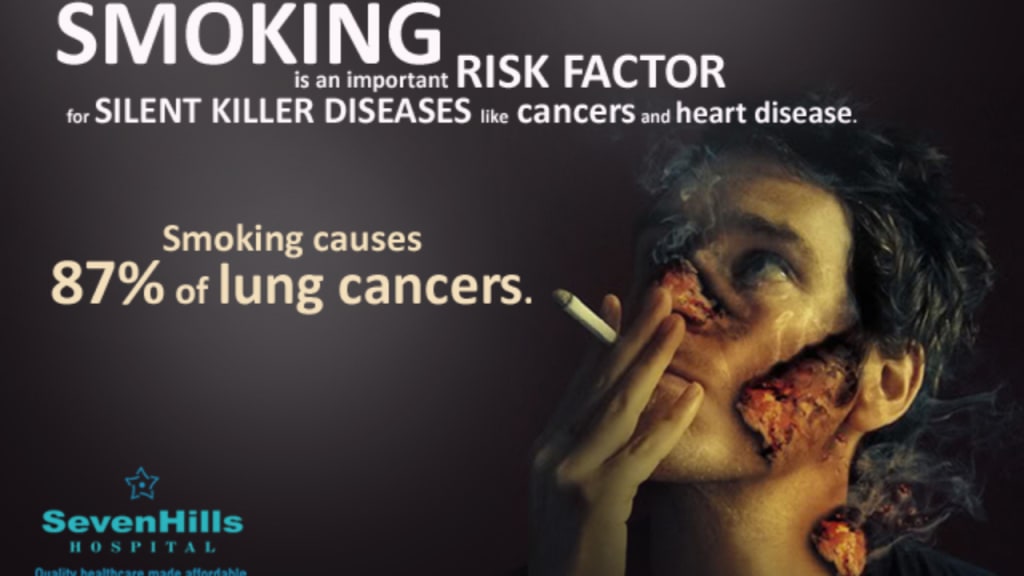
- Improves Your Health: Smoking is linked to serious diseases like lung cancer, heart disease, and stroke. When you quit, your risk of these diseases decreases. Your lungs will start to repair themselves, and your heart will benefit too. You’ll breathe easier and feel better overall.
- Better Quality of Life: As a smoker, you might find yourself getting tired more easily or struggling to catch your breath. After quitting, you’ll notice improvements in your stamina, energy levels, and the way you feel every day.
- Save Money: Smoking can be expensive. Think about how much you spend on cigarettes every week, month, or year. When you quit, you’ll save that money and can use it for something better, like treating yourself to something you enjoy or investing in your future.
- Set a Good Example: If you have kids or people who look up to you, quitting smoking can show them that it’s never too late to make positive changes. You’ll be helping to break the cycle of smoking for future generations.
The Challenges of Quitting Smoking
We all know that quitting smoking isn’t easy. It’s not just a habit; it’s an addiction. Nicotine, the main substance in cigarettes, affects the brain and can cause cravings that make you want to smoke again. The first few days or weeks after quitting can be tough, and it’s normal to feel irritated, anxious, or have trouble concentrating.
But don’t let these challenges stop you. It’s possible to quit smoking, and there are many ways to make the process easier.
Steps to Help You Quit Smoking
- Set a Quit Date: Mark a day on your calendar when you plan to quit. Make it a day that’s meaningful to you or one that’s easy to remember. Giving yourself a specific goal can help you feel more committed to quitting.
- Tell Your Friends and Family: Let the people around you know that you’re trying to quit. Their support can make a huge difference. They can encourage you during tough times and hold you accountable.
- Identify Your Triggers: Smoking is often linked to certain situations, like drinking coffee or stress. Try to identify your triggers and think of healthier ways to cope with them. For example, instead of having a cigarette with your coffee, go for a short walk or chew gum.
- Consider Nicotine Replacement Therapy: Nicotine replacement therapies (like patches, gum, or lozenges) can help reduce withdrawal symptoms and cravings. They give your body a controlled amount of nicotine without the harmful chemicals in cigarettes.
- Find Healthy Distractions: One of the hardest parts of quitting smoking is dealing with cravings. When you feel the urge to smoke, try to distract yourself by doing something else. Go for a run, read a book, or call a friend. Keeping your hands and mind busy can help you resist the urge.
- Stay Positive and Patient: Quitting smoking is a journey, and it might take time. Be kind to yourself if you slip up and smoke a cigarette. It doesn’t mean you’ve failed – it’s just part of the process. Keep trying, and remember that every day without a cigarette is a victory
- Reward Yourself: Every time you reach a milestone, like going a week without smoking, reward yourself. Use the money you would have spent on cigarettes to treat yourself to something special. These rewards can keep you motivated to stay smoke-free.
The Benefits of Quitting Smoking
The benefits of quitting smoking start almost immediately. Within 20 minutes of your last cigarette, your heart rate and blood pressure drop. Within a few days, your sense of smell and taste will improve. After a few weeks, you’ll notice you can breathe easier, and your energy levels will rise.
The long-term benefits are even greater. After one year without smoking, your risk of heart disease is cut in half. After 10 years, your risk of lung cancer drops to half that of a smoker. The longer you stay smoke-free, the better your health will be.
Conclusion: A Healthier, Happier Future
Quitting smoking is a big challenge, but it’s one of the best choices you can make for your future. It takes time, effort, and support, but the rewards are well worth it. By quitting smoking, you can improve your health, save money, and feel better overall. Every day that you stay smoke-free is a step toward a healthier and happier life.
Remember, you don’t have to do it alone. There are resources available, including counseling, support groups, and medication, to help you along the way. Stay strong, and keep moving forward – you’ve got this!
About the Creator
Enjoyed the story? Support the Creator.
Subscribe for free to receive all their stories in your feed.
Comments
There are no comments for this story
Be the first to respond and start the conversation.