
Tahir Javed: Bridging Worlds, Leading with Purpose – A Vision for Unity in a Divided Age
Philanthropist, Bridge-Builder, and Unwavering Advocate — How One Man’s Journey Across Continents Is Redefining Leadership in a Fractured World

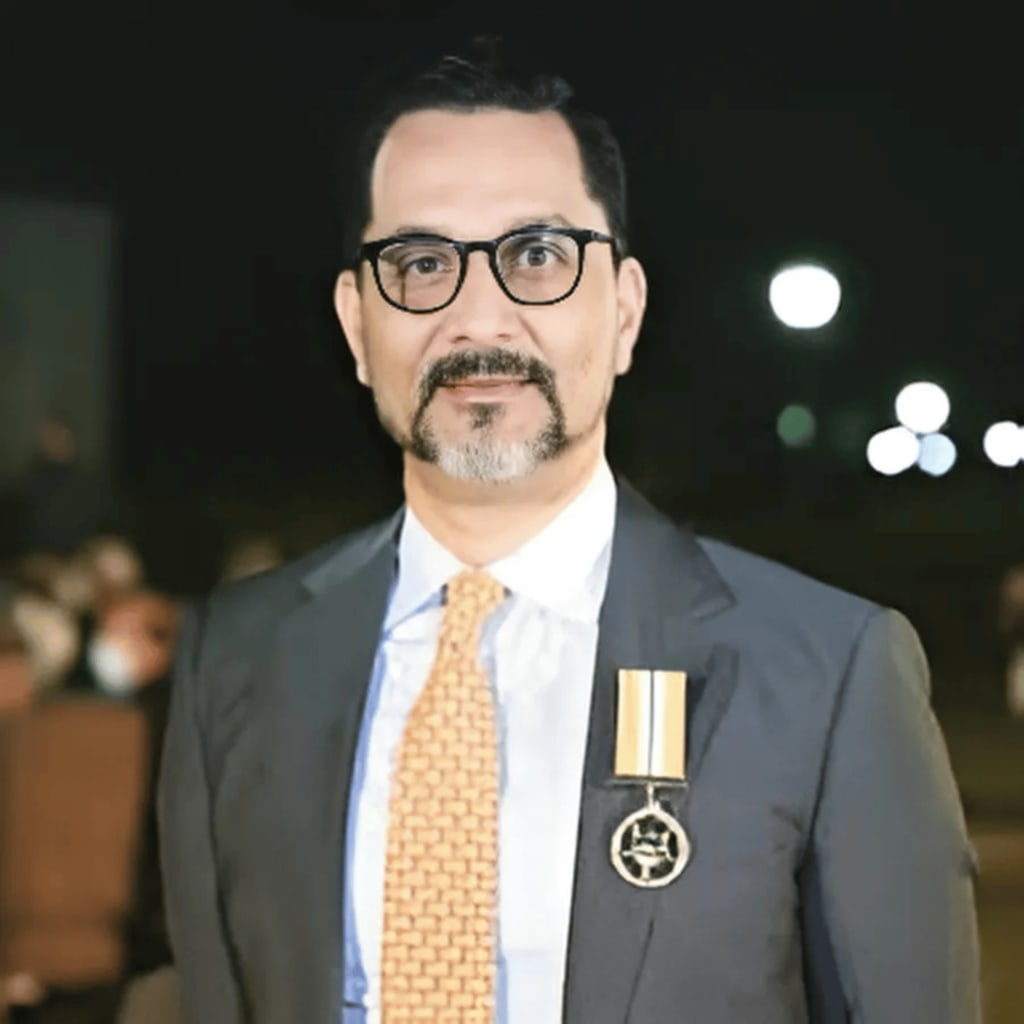
Q1: "You speak passionately about leading by example. How do you turn this principle into action during moments of crisis or uncertainty?"
A1:
Leadership, especially in crisis, demands a relentless commitment to integrity. When ambiguity strikes, I prioritize transparency—sharing both challenges and potential solutions openly with stakeholders. For instance, during a recent controversy involving misinformation about my work, I convened town halls and published detailed rebuttals to address concerns head-on. Leading by example means acknowledging mistakes when they occur and demonstrating accountability. During my congressional campaign, I faced unexpected financial hurdles; rather than obscuring the issue, I restructured my team’s strategy publicly, emphasizing fiscal responsibility. Trust isn’t built in comfort—it’s forged when you stand firm in your values, even if it means short-term criticism. I also mentor young leaders to embrace vulnerability as strength, showing that authenticity, not perfection, inspires loyalty. Crisis magnifies character, and true leadership lies in transforming chaos into clarity through unwavering ethical action.
Q2: "Your philanthropic work is deeply tied to Islamic principles. How does this shape your vision for societal change?"
A2:
Islamic teachings on charity—zakat and sadaqah—are not mere obligations but blueprints for systemic equity. My philanthropic model focuses on sustainability: we built vocational training centers in Pakistan’s rural areas, empowering women to launch textile cooperatives that now export globally. This mirrors the Islamic principle that wealth must circulate to uplift communities, not stagnate. In Houston, my foundation partners with mosques and churches to fund homelessness initiatives, blending faith-based compassion with pragmatic solutions. The concept of Baraka (blessings) isn’t abstract—it’s evident when a single microloan ignites a generational business. I reject “charity” that perpetuates dependency; instead, we invest in education and infrastructure, ensuring marginalized groups own their progress. For me, societal change begins when we view wealth as a shared trust, not a personal trophy. Every dollar given isn’t lost—it’s multiplied in collective dignity.
Q3: "After your congressional campaign, what truth about American democracy stays with you?"
A3:
My campaign revealed democracy’s paradox: it’s both resilient and fragile. While door-knocking in Houston’s diverse districts, I met families working three jobs yet still prioritizing civic engagement—a testament to the system’s promise. However, I also saw how systemic inequities skew representation. Wealthy donors often drown out grassroots voices, and gerrymandering silences minority communities. I learned that elections aren’t just about policies but perception; my opponent’s team weaponized cultural divides, reducing complex issues to soundbites. Yet, the experience deepened my faith in ordinary Americans. A retired teacher in Sunnyside organized volunteers despite her limited means, proving that local action can counter national apathy. Democracy’s survival hinges on leaders who prioritize listening over lecturing. Reforming campaign finance, expanding voter access, and fostering cross-partisan dialogue aren’t optional—they’re urgent. The system works only when we fight for those it’s designed to exclude.
Q4: "As a Pakistani-American, how do you turn cultural duality into a superpower?"
A4:
Cultural duality is my lens to see beyond binaries. Growing up in Lahore, I learned the power of community—mehfils where poetry and debate coexisted. In Texas, I embraced individualism but fused it with my collectivist roots. This hybridity lets me mediate between worlds: advising U.S. firms on South Asian markets while advocating for diaspora rights in Pakistan. For example, I brokered a tech partnership between Houston startups and Lahore’s IT sector, creating jobs on both sides. My identity also guards against insularity—when anti-Muslim rhetoric surged post-9/11, I co-founded interfaith coalitions that turned tension into collaboration. Being Pakistani-American means rejecting the “either/or” narrative. I host Eid dinners with Texan barbecue and critique U.S. foreign policy while condemning extremism abroad. This duality isn’t a compromise—it’s a catalyst for innovation. It teaches me that the most profound solutions emerge at the intersection of seemingly opposing truths.
Q5: "Global populism is rising. How do you define true leadership in this era?"
A5:
Populism thrives on division, but true leadership bridges divides. Consider Hungary’s Viktor Orbán versus New Zealand’s Jacinda Ardern: one weaponizes fear, the other fosters empathy. My philosophy is rooted in servant leadership. During the 2017 Hurricane Harvey crisis, I mobilized Pakistani-American doctors and Black churches alike, creating relief networks that outperformed bureaucratic efforts. Leadership today requires moral courage—denouncing xenophobia even within your own community. For instance, I publicly challenged a Muslim leader’s homophobic remarks, stressing that justice cannot be selective. It also demands intellectual humility; I regularly engage critics in podcasts, dissecting policies like student debt reform from multiple angles. True leaders don’t exploit anger—they redirect it into constructive action. We must revive civic education, teaching citizens to dissect propaganda and demand substance over slogans. The antidote to populism isn’t elitism—it’s empowering people to see their shared stake in progress.
Q6: "You’ve faced public adversity. What keeps you resilient?"
A6:
Resilience is a muscle forged through purpose. When false allegations about my finances surfaced, I countered with forensic audits and donor testimonials, turning scrutiny into a platform for transparency. My mother’s words anchor me: “A lie’s lifespan is short if you outwork it.” I also lean on faith—not passively, but through action. After a damaging media piece, I doubled down on community work, opening a free legal clinic for immigrants, which shifted the narrative. Mentorship sustains me, too; guiding young Pakistani-Americans facing discrimination reminds me that my struggle isn’t isolated. Resilience isn’t about ignoring pain—it’s about channeling it into legacy. I journal nightly, reflecting on setbacks as data points, not defeats. Every lawsuit I file against defamation isn’t just personal—it’s a stand for everyone maligned by lazy journalism. Adversity, I’ve learned, is the price of impact.
Q7: "What’s one lesson you wish every aspiring leader would embrace?"
A7:
Emotional intelligence (EQ) is the bedrock of enduring influence. Early in my career, I prioritized IQ—launching ventures, mastering analytics—but neglected EQ. A rift with a trusted colleague taught me harshly: I’d dismissed their input during a project, citing “efficiency,” and eroded trust. Now, I practice active listening, even in conflict. For example, when my team debated partnering with a contentious NGO, I facilitated workshops where dissent was mapped, not muted. EQ also means self-awareness—I meditate daily to regulate my reactions. Aspiring leaders must understand that technical skills open doors, but EQ builds empires. It’s why I host monthly “vulnerability circles” with staff, where failures are dissected without judgment. Leadership isn’t about being the smartest—it’s about creating ecosystems where others thrive. Master your emotions, and you’ll master your destiny.
Closing Reflection:
“Leadership is the audacity to plant trees under whose shade you may never sit. My journey—from Lahore to Washington DC.—is a testament to the power of rooted values in an uprooted world. Let’s build bridges, not walls, and let our legacy be measured not in titles, but in transformed lives.”
(Inspired by Tahir Javed’s ethos of integrity, cultural synthesis, and relentless service.)
Source: Official Website
About the Creator
mackenzie dawson
Mackenzie Dawson is the New York Post’s Books Editor, curating literary trends through columns like Required Reading. An NYU journalism alum and former tech publicist, she dissects banned books, pandemic fiction, and NYC’s quirkiest tales.
Enjoyed the story? Support the Creator.
Subscribe for free to receive all their stories in your feed.
Comments
There are no comments for this story
Be the first to respond and start the conversation.