Vocal
The Courage to Start: Overcoming Fear and Taking the First Step
The Courage to Start: Overcoming Fear and Taking the First Step Have you ever found yourself standing at the edge of a new chapter in your life, filled with desire but frozen in fear? Maybe it's the dream of starting a business, learning a new skill, or finally chasing that dream you’ve been nurturing for years. The truth is, that fear often feels like a massive barrier standing between us and the life we crave. But here’s the truth: courage isn’t the absence of fear—it’s the decision to move forward despite it. Why Fear Feels So Overwhelming Fear has an almost magical ability to amplify the risks and shrink our confidence. "What if I fail?" "What if I don’t measure up?" These kinds of thoughts can play on repeat in our minds, making even the smallest of tasks seem impossible. Before we even take action, fear has already convinced us of failure, leaving us stuck in indecision. But think for a moment: how many potential opportunities have you missed because you let fear dictate your choices? Maybe you hesitated to pitch your idea, to ask for help, or to start something new—only to see someone else take that leap and succeed. The thing is, fear is natural. It’s your brain’s protective mechanism, trying to keep you safe from the unknown. But here’s the catch: staying inside your comfort zone doesn’t keep you safe. It keeps you stagnant. Growth, real growth, happens when you step beyond the walls of comfort. And guess what? Each small step you take toward that unknown world builds your confidence and makes the next step easier. The Power of Starting Small The hardest part of any journey is often the first step. The idea of diving into something big can feel overwhelming, which is why we often resist starting. But here’s a secret: you don’t have to start big to move forward. Sometimes the smaller the step, the better. Want to write a book? Instead of committing to a 100,000-word manuscript right away, start by writing just one paragraph a day. Each paragraph becomes part of the larger whole, and soon, you’ll have a first draft. Dream of running a marathon? Instead of jumping straight into intense training, begin by taking a 10-minute walk every day. That small habit sets you up for the next step—running longer distances. Thinking about launching a business? Instead of getting lost in the endless details, start with just 30 minutes of research each day. Learn about your market, your competitors, and the resources you’ll need. The beauty of small actions is that they build momentum. Momentum breeds confidence, and before you know it, those tiny steps add up to giant leaps. You’ll be moving forward so fast that the fear that once held you back will no longer seem as powerful. Reframe Your Mindset: Embrace Failure as Feedback One of the most powerful tools you can use to overcome fear is to reframe your relationship with failure. Instead of viewing failure as the end of the road, start seeing it as feedback—a valuable lesson on what works and what doesn’t. Every setback provides you with the insight you need to refine your approach and move closer to your goal. Think about some of the most successful people you know. Oprah Winfrey faced rejection early in her career when she was told she was "unfit for TV." Michael Jordan, one of the greatest basketball players of all time, was cut from his high school team. And J.K. Rowling, whose Harry Potter series became a global phenomenon, was rejected by 12 different publishers. The key takeaway here is that they didn’t let failure define them. Instead of seeing failure as something to avoid, they saw it as part of their journey—an essential piece of the puzzle that brought them closer to success. Visualize Your Success: See It to Believe It Close your eyes for a moment and picture yourself having achieved your goal. Imagine the joy, the satisfaction, and the pride that would fill you. What does your life look like once you've reached that dream? How does it feel to have pushed through your fear to arrive at that moment? Visualization isn’t just a feel-good exercise—it’s a powerful tool that can keep you motivated, especially when the road gets tough. By vividly imagining the result, you’re making that success feel more real and attainable. It becomes something that isn’t just a far-off dream but a future you can actively work toward. Ask yourself: Is the fear of starting worth missing out on the reality of that success? Is it worth letting fear keep you from the life you’ve always wanted? Chances are, the answer is no. You’re Not Alone: Surround Yourself with Support It’s easy to feel isolated when you’re facing your fears. You may wonder if anyone else understands what you’re going through. But here’s the thing—everyone you admire has faced fear at some point. The difference is that they chose courage over comfort. It’s crucial to surround yourself with a support system that encourages and uplifts you. Find people who inspire you, people who will cheer you on even when things get tough. Share your goals with someone who will hold you accountable and keep you motivated, especially when fear starts to creep in. Take the Leap: It’s Time to Start The journey of a thousand miles begins with a single step. The world’s greatest achievements all began with someone choosing to move forward, no matter how small the step. So, today, take that step. It doesn’t need to be perfect—it just needs to be something. Start by taking one small action toward your dream, and let that momentum carry you forward. Every step you take brings you closer to the life you’ve been imagining. Remember, the world is waiting for you—your gifts, your story, your contributions. Don’t let fear rob the world of your greatness. Don’t let it rob you of your future. What’s Your First Step? I’d love to hear from you: What’s one small step you can take today toward your dream? It doesn’t matter how big or small it is—what matters is that you’re moving forward. Share your steps in the comments, and I’ll be here cheering you on every step of the way! Because the courage to start is all it takes to change everything.
By Pure Crown2 years ago in Motivation
What Are You Waiting For?. AI-Generated.
Have you ever found yourself caught in a cycle of procrastination, waiting for the perfect moment, the ideal conditions, or the perfect opportunity to take action? If you have, you're not alone. We all experience moments where we feel stuck, unsure of when to take the leap toward our goals. But here’s the reality: *The perfect moment* rarely exists. Waiting for everything to align perfectly can often leave you in a perpetual state of inaction.
By Pure Crown2 years ago in Motivation
Start With What You Have: The Power of Taking Action Now
We often hear the phrase “start with what you have” as a motivational piece of advice, but how many of us truly understand the depth of its meaning? In today’s fast-paced world, we’re constantly bombarded with images of success, material wealth, and perfect circumstances, leaving many of us feeling like we’re not quite ready to begin our own journeys. The truth is, waiting for the "perfect moment" often leads to endless delays and missed opportunities. Instead, starting with what you have is the key to overcoming that hesitation and unlocking your potential. **1. Focus on Your Strengths and Resources** The first step to starting with what you have is to evaluate your current situation. What do you have at your disposal? It could be time, skills, experience, or even a supportive network of people. When you begin with what’s available to you right now, you can start to take action without waiting for all the pieces to fall into place. For instance, if you’re considering launching a business, you may not have the capital to rent a storefront, but you can start by creating a website or offering your services online. If you want to write a book but lack a fancy writing desk or professional editing software, you can start by writing in your journal, using free word processors, or even your phone. The key is to use what you already have, not what you wish you had. **2. Overcome Perfectionism** A major barrier to starting is the pressure to be perfect from the beginning. It’s easy to get stuck in the cycle of "I’ll start when I have everything figured out." The problem with perfectionism is that it keeps you from moving forward. You might spend weeks or months waiting for the perfect set of tools, skills, or circumstances to appear. Instead of waiting for everything to be perfect, focus on making small, consistent progress. Take one step at a time. In the process, you’ll learn more, adapt, and discover new ways to improve as you go. The best way to learn is often through action, and by starting where you are, you give yourself permission to grow. **3. Leverage What You Know** Another way to start with what you have is to tap into your existing knowledge and skills. You don’t need to be an expert to begin, but you can start by leveraging what you know. Whether it’s a hobby, a passion, or something you’ve learned along the way, you can use your current expertise to get the ball rolling. For example, if you want to teach people a particular skill or knowledge you possess, create content like blog posts, videos, or social media updates. This allows you to connect with an audience, even while you continue to learn and refine your abilities. **4. Embrace the Power of Small Beginnings** One of the most powerful aspects of starting with what you have is that it allows you to take small steps that compound over time. Small beginnings often lead to big results. If you start with one blog post, one project, or one connection, that could snowball into greater opportunities in the future. In fact, many success stories began with small, seemingly insignificant efforts. Walt Disney, for example, started with a small animation company and faced numerous failures before building the massive empire we know today. The key is that he started, and over time, he was able to build on his early efforts. **5. Focus on Action, Not Circumstances** It’s easy to get caught up in the idea that you need a specific set of circumstances to succeed. But the truth is, the only thing you truly need is the willingness to take action. Don’t wait for things to be "perfect." If you wait for everything to line up just right, you might never take the first step. Starting with what you have means you’re taking control of your situation and choosing to act regardless of obstacles or imperfections. With every step you take, you move closer to your goals. **Conclusion: The Best Time to Start Is Now** The message is simple: Stop waiting for the perfect moment and start with what you have right now. Whether it’s your time, knowledge, resources, or connections, these are the tools that will help you move forward. By taking action and embracing the small beginnings, you’ll not only build momentum, but you’ll also gain confidence in your ability to succeed. Remember, every big achievement started with a single step. What are you waiting for? Start today with what you have, and you’ll be amazed at the progress you can make.
By Pure Crown2 years ago in Motivation
The Benefits of Meditation: A Path to Mental and Physical Well-Being
In a world that constantly demands more of our time, energy, and attention, finding a moment of peace can be incredibly difficult. Yet, amidst the chaos, a practice that has been around for thousands of years offers profound benefits: meditation. This simple yet powerful tool has been used by cultures across the globe to improve mental clarity, physical health, and emotional stability. In this article, we’ll explore how meditation can positively impact various aspects of our lives.
By Pure Crown2 years ago in Motivation
New Year, New Mindset: 10 Powerful Strategies to Stay Motivated and Achieve Your 2025 Goals
The New Year is a time for fresh starts and renewed determination. It’s the perfect opportunity to refocus, set new goals, and take meaningful steps toward personal growth. However, staying motivated throughout the year can be a challenge. To help you succeed, here are ten powerful strategies to keep you inspired and on track to achieving your 2025 goals. 1. **Start with a Clear Vision** Having a clear vision is the foundation of any goal. Take some time to imagine where you want to be by the end of the year. Write down your dreams and aspirations in detail. Creating a vision board or journaling can also help make your goals tangible and keep you focused when distractions arise. 2. **Set SMART Goals** Goals that are vague or unrealistic can leave you feeling unmotivated. Use the SMART framework to define your objectives: - Specific: Be precise about what you want to achieve. - Measurable: Track your progress with clear metrics. - Achievable: Set realistic goals within your capabilities. - Relevant: Align your goals with your values and priorities. - Time-bound: Give yourself deadlines to create a sense of urgency. 3. **Break Goals into Manageable Steps** Big goals can feel overwhelming, so it’s essential to break them into smaller, actionable tasks. For example, if your goal is to learn a new skill, outline daily or weekly tasks that gradually build your knowledge. Celebrate each small victory along the way to stay motivated. 4. **Develop Consistent Routines** Routines are the backbone of productivity. Establish a daily or weekly schedule that includes dedicated time for working on your goals. Consistency helps eliminate decision fatigue and builds habits that support long-term success. 5. **Feed Your Mind with Inspiration** Motivation can waver, but staying inspired keeps you going. Read books, listen to podcasts, or watch videos that align with your aspirations. Surround yourself with positive influences, whether they are friends, mentors, or online communities. Inspiration is a powerful fuel for perseverance. 6. **Track Your Progress** Keeping track of your progress provides a sense of accomplishment and helps identify areas for improvement. Use a journal, planner, or app to log your achievements. Regularly reviewing your progress reminds you of how far you’ve come and encourages you to keep moving forward. 7. **Embrace Setbacks as Learning Opportunities** Setbacks are inevitable, but they don’t have to derail your progress. Instead of viewing challenges as failures, see them as opportunities to learn and grow. Reflect on what went wrong, adjust your approach, and stay committed to your goals. Resilience is key to success. 8. **Find an Accountability Partner** Having someone to share your goals with can make a significant difference. An accountability partner can provide encouragement, offer constructive feedback, and help you stay focused. Whether it’s a friend, family member, or coach, find someone who supports your journey. 9. **Take Care of Yourself** Your physical and mental well-being are essential to achieving your goals. Prioritize self-care by getting enough sleep, eating nutritious meals, exercising regularly, and managing stress. A healthy mind and body are crucial for maintaining energy and motivation throughout the year. 10. **Celebrate Your Milestones** Recognizing and celebrating your progress is just as important as reaching your end goal. Reward yourself when you achieve significant milestones, whether it’s with a special treat, a short trip, or a moment of self-reflection. Celebrations reinforce positive behaviors and make the journey more enjoyable. **Conclusion** The New Year offers a chance to start fresh and work toward the life you’ve always envisioned. By implementing these ten strategies, you can maintain your motivation and make 2025 a year of growth, achievement, and fulfillment. Take the first step today—define your vision, set your goals, and commit to the journey ahead. Remember, success isn’t just about the destination; it’s about the person you become along the way.
By Pure Crown2 years ago in Motivation
How to weight loose in 7 days . Content Warning. AI-Generated.
Lose Weight in 7 Days: Simple Tips That Work Did you know losing 1-2 pounds a week is a good goal? To hit this, you must burn 500-1000 more calories than you eat each day. If you want to lose weight in 7 days, you need to be dedicated and have a solid plan. Quick weight loss tips can help you reach your goals in just a week. Drinking water can help you eat fewer calories than sugary drinks. Eating more protein can boost your metabolism and cut down on calories. Try to eat 2.5 cups of veggies a day and add healthy fats like olive oil to your meals. Following a good meal plan and creating a calorie deficit can lead to fast weight loss. Remember, you might lose more weight in the first week, which is often water and fat. With the right approach, you can lose weight quickly and safely, paving the way for long-term success. Key Takeaways Losing 1-2 pounds per week is a realistic weight loss goal Drinking water before meals can aid in weight loss High-protein diets can increase metabolic rate and decrease calorie intake Incorporating healthy fats like olive oil into your diet can support weight loss Creating a caloric deficit is essential for fast weight loss Aim to eat 2.5 cups of vegetables daily for optimal health benefits Getting enough sleep is crucial for weight management, aim for at least 7 hours per night Understanding Rapid Weight Loss: Benefits and Risks When you think about a 7-day weight loss plan, knowing the benefits and risks is key. A quick weight loss diet can help those who need to lose weight fast. But, it also has risks. It's important to mix diet and exercise for effective weight loss safely. A 7-day weight loss plan is tough, but it's doable with the right plan. Setting realistic goals is crucial. Not everyone can lose weight quickly. Very low-calorie diets and lower-calorie diets are common, but they're not for everyone. VLCDs let you eat as few as 800 calories a day for quick weight loss. But, they're not good for more than 12 weeks. LCDs let women eat 1,200 to 1,500 calories a day and men eat 1,500 to 1,800 calories a day. They can lead to similar weight loss over time. Time-restricted eating, like the 16:8 method, can also lead to quick weight loss. But, there's not much data on how sustainable it is. Always talk to a healthcare provider before starting any weight loss program, especially if you have health issues. A good weight loss plan combines diet, exercise, and lifestyle changes. It should fit your needs and goals. Preparing Your Mind and Body for Success To slim down in a week, you must prepare your mind and body. This means setting goals, planning meals, and starting a workout routines 2 pounds a week. Focus on making lifestyle changes for better health, not just quick weight loss. Here are some tips to get you ready for success: Set realistic goals and track your progress Create a meal plan that promotes healthy eating and portion control Establish a workout routine that includes at least 150 minutes of moderate or 75 minutes of vigorous exercise per week This includes eating well, exercising regularly, and staying positive. Follow these tips and stay committed to your goals for a slimmer, healthier you. Day Total Calories Consumed Day 1 1226 Day 2 1230 Day 3 1239 Day 4 1303 Day 5 1383 Day 6 1358 Day 7 1603 How to Lose Weight in 7 Days: Your Complete Strategy To lose weight quickly, you need to eat fewer calories than you burn. This creates a caloric deficit. Start by aiming for a 500-calorie deficit each day. You can do this by eating less and moving more. Nutrition is key for quick weight loss tips. Eat a balanced diet with protein, healthy fats, and complex carbs. Aim for 30% protein, 25% healthy fats, and 45% carbs. This keeps you full and supports your weight loss. Eating at the right times is important. Try eating smaller meals often to keep your metabolism up. Also, try intermittent fasting or portion control. Drink lots of water and get enough sleep to help with weight loss. Creating Your Caloric Deficit Reduce your daily caloric intake by 500 calories Increase your physical activity to burn more calories Focus on a balanced diet with protein, healthy fats, and complex carbohydrates Essential Nutrients for Quick Results The Perfect 7-Day Meal Plan for Weight Loss When you're on a 7-day weight loss plan, focus on good weight loss strategies. You want a diet that's quick to lose weight but still nutritious. A well-planned meal plan is key to reaching your weight loss goals. Your 7-day plan should have lots of foods that are good for you, like whole grains, lean proteins, and fruits and veggies. Eating foods high in fiber can help you feel full and might help you lose weight. Good fiber sources include whole-grain cereals, whole-wheat pasta, and whole-grain bread. Here are some meal ideas for your 7-day plan: Breakfast: Oatmeal with fruit and nuts Lunch: Grilled chicken salad with whole-grain bread Dinner: Baked salmon with quinoa and steamed vegetables To succeed on a 7-day weight loss plan, stay consistent and make lasting lifestyle changes. With the right meal plan and strategies, you can reach your weight loss goals and keep a healthy weight long-term. Day Breakfast Lunch Dinner 1 Oatmeal with fruit and nuts Grilled chicken salad Baked salmon with quinoa 2 Greek yogurt with berries Veggie burger with whole-grain bread Barbecue cutlets with citrus slaw 3 Scrambled eggs with whole-grain toast Chicken salad with whole-grain crackers Steamed shrimp with baked potato 4 Yogurt parfait with granola and berries Roast beef sandwich with whole-grain pita Poached salmon with quinoa 5 Avocado toast with scrambled eggs Mushroom quesadillas Grilled chicken with roasted vegetables 6 Smoothie bowl with whole-grain granola Tuna salad with whole-grain crackers Spicy sausage jambalaya 7 Poached egg with whole-grain toast Black bean salad with whole-grain bread Grilled chicken with quinoa and steamed vegetables Exercise Routines to Accelerate Your Results To lose weight quickly, you need a healthy diet and regular exercise. Exercising often can help you get lean in a week. Aim for 150 minutes of moderate aerobic activity or 75 minutes of vigorous activity weekly. Also, do strength training 2 to 3 times a week, focusing on major muscle groups. Effective exercises for quick weight loss include running, walking, hiking, and jumping rope. For instance, running at a 12-minute mile for 30 minutes burns about 272 calories. Walking briskly for 30 minutes can burn around 170 calories. Strength training can burn about 102 calories in 30 minutes. Try high-intensity interval training (HIIT) sessions, which can last 15-20 minutes. Always drink water and listen to your body, especially on rest days. With the right exercise plan, you can lose weight faster and get lean in a week. Always talk to a healthcare professional before starting any new exercise program. Some key tips to keep in mind: Start with moderate exercise and gradually increase intensity and duration Incorporate strength training to build muscle and boost metabolism Listen to your body and rest when needed Stay hydrated and fuel your body with a balanced diet Hydration and Weight Loss: Your Secret Weapon Staying hydrated is key when you want to lose weight in 7 days. Drinking water can help you feel full and boost your metabolism. This can lead to fast weight loss. A study showed that drinking 500 mL of water before meals can help you lose weight and reduce body fat. To lose weight quickly, drink water all day. Here are some tips to help you stay hydrated: Drink at least 8 glasses of water per day Eat hydrating foods like cucumber, oranges, and watermelon Avoid sugary drinks like cola and apple juice, which can hinder weight loss efforts Drinking enough water can also make your workouts better and help you burn more calories. Even a little dehydration can make you tired, give you headaches, and make it hard to focus. Drinking enough water helps your body work its best, making your weight loss journey more successful. Drink Calories per serving Cola (12 oz) 136 Apple juice (20 oz) 300 Orange juice (20 oz) 280 Remember, staying hydrated is important for your health and fast weight loss. By following these tips and making hydration a priority, you can reach your weight loss goals and live a healthy life. Sleep and Stress Management for Weight Loss Getting enough sleep is key for slimming in a week and shedding pounds fast. Studies show that not enough sleep can slow down your metabolism. This makes it tougher to get lean in a week. Try to sleep 7-9 hours each night to help with your weight loss. To keep a regular sleep schedule, go to bed and wake up at the same time every day. This includes weekends. Start a calming bedtime routine, like reading or a warm bath, to tell your body it's time to sleep. Stay away from screens and electronic devices before bed, as they can mess with your sleep. By focusing on sleep and stress management, you can help reach your weight loss goals. Losing weight too fast is not good, so aim for 1-2 pounds a week. With a good sleep schedule, healthy stress management, and a balanced diet and exercise, you can reach and keep a healthy weight. Sleep Duration Weight Loss Impact 7-9 hours Supports weight loss and overall health 5-6 hours May slow down metabolism and hinder weight loss Less than 5 hours Increases risk of obesity and weight gain Common Mistakes to Avoid During Your Weight Loss Week Trying to lose weight in 7 days can be tricky. It's key to avoid common mistakes that slow you down. One big error is not planning for long-term weight loss. Instead, aim for quick weight loss tips that help you stay healthy, like eating right and exercising often. Knowing the pitfalls is crucial to reach your goals. Here are some common mistakes to steer clear of: Skipping breakfast, which can lead to overeating later in the day Not drinking enough water, which can slow down your metabolism Consuming high-calorie foods and drinks, such as fancy coffees and alcoholic beverages Stay motivated by focusing on non-scale victories like more energy or a better mood. Use a food diary to track your eating. Having a workout buddy or joining a weight loss group can also help a lot. Here are some tips for tracking your progress: Take progress photos and measurements regularly Track your food intake and exercise routine Monitor your weight and body fat percentage Celebrate your successes, no matter how small Losing weight is more than a 7-day weight loss plan. It's about living a healthy lifestyle. By using effective weight loss strategies and staying motivated, you can lose weight and keep it off for good. Conclusion: Maintaining Your Results Beyond Seven Days Congratulations on starting your weight loss journey! Losing is a big achievement. But, keeping it off long-term is what really matters. The trick is to make a weight loss plan that fits your life. To keep the weight off, focus on building lasting habits. Eat a balanced diet, exercise regularly, and manage stress well. Slow, steady changes are usually better than quick fixes. By making these habits part of your daily life, you're on the path to and more. Stay motivated, track your progress, and celebrate your wins. With the right mindset and dedication, you can change your body and life for good. How do I prepare my mind and body for weight loss success? Getting your mind and body ready for weight loss is crucial. We'll talk about setting realistic goals, meal planning, and starting a workout routine. With the right mindset and plan, you can lose weight safely and set yourself up for long-term success. What should my 7-day meal plan look like? A well-planned meal plan is vital for weight loss. We'll provide a sample 7-day meal plan with breakfast, lunch, and dinner options. We'll talk about the importance of fiber, protein, and healthy fats, and share tips for making delicious meals. How does hydration affect weight loss? Staying hydrated is crucial for weight loss. We'll discuss the importance of drinking enough water and share tips for staying hydrated. We'll also talk about the benefits of different drinks, like water, herbal tea, and low-calorie sports drinks. What role do sleep and stress management play in weight loss? Sleep and stress management are key for weight loss. We'll discuss the importance of getting enough sleep and share tips for establishing a consistent sleep schedule. We'll also cover the benefits of stress management techniques like meditation, yoga, and deep breathing.
By Tanushree Das2 years ago in Motivation
Keep Striving for Your Goals
Keep Striving for Your Goals Life is a journey filled with struggles and challenges. Each new day presents us with fresh questions and hurdles. In these tough moments, it’s natural to wonder, “Can I handle all this?” But there’s one thing that always provides the strength to stand tall again—our goals. Goals are the pillars of life, offering direction and a sense of purpose. With their inspiration, our determination never falters.
By Dipak Pawar2 years ago in Motivation
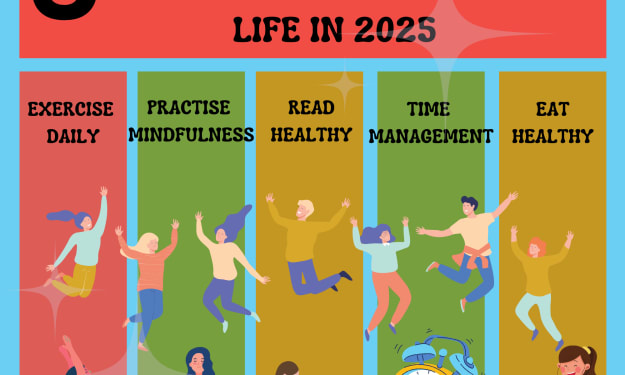
5 Habits to Start Today That Will Change Your Life in 2025
5 Habits to Start Today That Will Change Your Life in 2025 New year, new possibilities, right? Well, it’s not just about resolutions thatruary. It’s about transforming your life with simple, powerful habits that will make 2025 your best year yet! Whether you’re looking for more energy, better focus, or deeper fulfillment, these five habits are your ticket to success. Let’s dive in!
By Diana Crooks2 years ago in Motivation
"I May Fall, But I Will Not Stop"
"I May Fall, But I Will Not Stop" At every turn in life, challenges and hardships confront us. Many times, it feels like we should give up, pause our efforts, and resign to the weight of failure, sorrow, and struggle. But in those moments of darkness, a voice deep within us whispers, “I may fall, but I will not stop, because success is waiting for me!”
By Dipak Pawar2 years ago in Motivation