Vocal
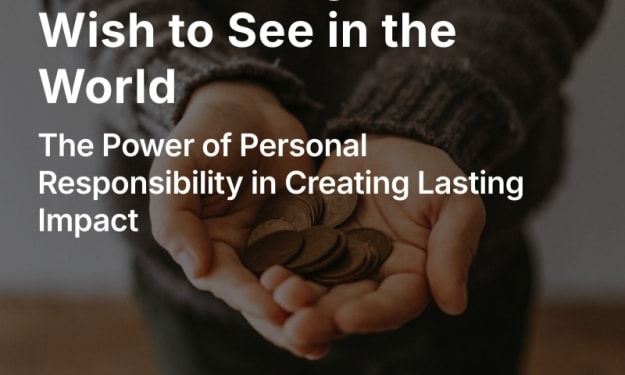
Be the Change You Wish to See in the World
Mahatma Gandhi’s words, “You must be the change you wish to see in the world,” have resonated through generations, inspiring countless individuals to take responsibility for the transformations they desire in society. This simple yet profound statement carries an enduring truth: if we want the world to improve, we must begin with ourselves. Too often, people look outward, expecting governments, organizations, or leaders to create change. However, true progress starts within, as our actions, attitudes, and behaviors influence those around us. Change is a natural part of life, but it does not happen by accident. It requires intentional effort, courage, and self-reflection. Many people hope for a better society, where kindness, honesty, and justice prevail. Yet, how many take the first step by embodying those qualities themselves? When Gandhi spoke these words, he was emphasizing personal responsibility. He understood that large-scale transformation is built on individual contributions. A world filled with integrity begins with individuals acting with honesty. A world of compassion starts with individuals choosing to be kind. One of the greatest barriers to change is the belief that one person’s actions do not matter. It is easy to feel insignificant in a world of billions. However, history has repeatedly shown that individuals can make a difference. Every social movement, every revolution, every major cultural shift has been sparked by individuals who refused to wait for someone else to lead the way. Rosa Parks took a seat on a bus, igniting the Civil Rights Movement. Malala Yousafzai spoke out for girls’ education, influencing global policies. Gandhi himself led India’s independence movement through nonviolent resistance, demonstrating that one person’s commitment to a cause can inspire millions. Small actions, when multiplied, have the power to create lasting change. A single act of kindness can set off a chain reaction, just as a single voice of truth can inspire others to speak up. Imagine a workplace where one employee consistently chooses to treat colleagues with respect. Over time, others may adopt the same behavior, fostering a more positive environment. In a community, one person who regularly volunteers can encourage others to do the same, creating a culture of service. Change is not always dramatic or immediate, but persistent efforts accumulate, shaping the world over time. To be the change, self-awareness is crucial. It requires examining personal beliefs, biases, and habits to identify areas for growth. Many people desire a more patient and understanding world, yet they struggle with their own impatience. Others wish for less dishonesty but may engage in small deceptions themselves. True change begins with acknowledging these inconsistencies and making a conscious decision to align personal actions with desired outcomes. Self-improvement is not about perfection but progress. Fear often holds people back from embracing change. The fear of failure, criticism, or stepping outside comfort zones can be paralyzing. However, real change demands courage. Those who make a difference do not wait until they feel completely ready; they take action despite uncertainty. Growth happens in discomfort. It is through challenging situations that resilience is built, perspectives are broadened, and transformation occurs. Gandhi’s message also highlights the importance of leading by example. Influence is most powerful when demonstrated through actions rather than words. Children learn more from observing parents than from listening to lectures. Employees respect leaders who embody the values they promote. Society benefits most when individuals practice what they preach. Change is not about imposing beliefs on others but inspiring them through consistent, authentic behavior. A practical way to start embodying change is to focus on daily choices. Small decisions, repeated over time, shape character and impact others. Choosing to listen more than speak fosters understanding. Responding with kindness instead of anger diffuses conflict. Supporting ethical businesses encourages responsible practices. Living with integrity, even in private moments, strengthens personal values. Change does not always require grand gestures—sometimes, it is found in the simple commitment to be better every day. In an increasingly complex world, it is easy to feel powerless against global challenges. However, Gandhi’s words remind us that transformation is not an external force but an internal choice. The world reflects the collective actions of individuals. When people choose peace over conflict, honesty over deception, and kindness over indifference, they contribute to a better society. Waiting for others to initiate change leads to stagnation, but embracing personal responsibility creates momentum. The impact of one person’s commitment to change extends beyond the present. Future generations inherit the world shaped by today’s choices. The values upheld now set the foundation for what is considered acceptable tomorrow. By choosing to be the change, individuals become part of a ripple effect that influences families, communities, and ultimately, the world. Mahatma Gandhi lived by the principle he preached. His life was a testament to the power of individual action. He did not simply wish for a free and just India; he embodied the values of peace, resilience, and self-discipline that led to that reality. His legacy serves as a reminder that anyone, regardless of status or background, has the ability to shape the future. The key lies in aligning personal actions with the changes one hopes to see in the world.
By Nora Arianaabout a year ago in Motivation
The Myth of the Busy Life. AI-Generated.
Introduction: The Cult of Busyness When was the last time someone asked you how you were—and you didn’t answer, “Busy”? In today’s hustle-driven world, being busy has become a badge of honor. We wear our packed calendars and overloaded inboxes like war medals. Productivity is glamorized. Rest is guilt-inducing.
By Ahmet Kıvanç Demirkıranabout a year ago in Motivation
You Only Live Once, But If You Do It Right, Once Is Enough
Life is often described as fleeting, a single journey that passes quickly, yet holds endless possibilities. The phrase **"You only live once, but if you do it right, once is enough."** highlights the importance of making the most of every moment. Living with purpose, passion, and intention can transform an ordinary existence into an extraordinary one. Many people go through life without truly experiencing it, caught up in routines, fears, or societal expectations. However, embracing the idea that life is finite can be the push needed to live fully, take risks, and chase dreams without hesitation. To do life "right" means different things to different people. For some, it might be about achieving great success, while for others, it’s about forming deep relationships or leaving a lasting impact. What remains constant is that those who truly live are those who refuse to let life pass them by. They make intentional choices, pursue their passions, and prioritize what truly matters. Rather than waiting for the "perfect time," they create opportunities and seize the present moment. Time is the one resource that can never be replenished, making it all the more important to use it wisely. Fear often holds people back from living fully. The fear of failure, rejection, or uncertainty can prevent individuals from taking the steps needed to create a fulfilling life. Yet, the most successful and happiest people understand that mistakes and failures are just stepping stones to growth. Every challenge faced and every lesson learned contributes to a richer, more meaningful experience. The key is not to avoid failure but to embrace it, learn from it, and keep moving forward. Living fully also means embracing authenticity. Many people live according to the expectations of others, suppressing their true selves in an effort to fit in. However, true fulfillment comes from living in alignment with personal values, desires, and beliefs. When people stop seeking validation from others and start prioritizing their own happiness, they discover a newfound freedom. They make decisions based on what truly brings them joy rather than what society deems acceptable. Gratitude plays a significant role in making life meaningful. Those who appreciate the little things—a kind word, a beautiful sunset, or a shared laugh—find deeper satisfaction in everyday experiences. Gratitude shifts the focus from what’s lacking to what’s abundant, allowing people to recognize the richness of their lives. Instead of constantly chasing more, they find fulfillment in what they already have. This mindset leads to a sense of contentment that external achievements alone cannot provide. Strong relationships are another cornerstone of a well-lived life. Human connections add depth, love, and support, making life’s journey more rewarding. Investing time and effort into meaningful relationships strengthens bonds and creates a sense of belonging. Whether it’s with family, friends, or mentors, surrounding oneself with positive influences fosters growth and happiness. The people who live life to the fullest are often those who nurture deep connections and cherish the time spent with loved ones. Taking risks is essential to living without regrets. Many people reach the later stages of life wishing they had been bolder, taken more chances, or followed their dreams. Playing it safe might offer temporary comfort, but it rarely leads to fulfillment. Pursuing ambitions, even when the outcome is uncertain, brings a sense of purpose and excitement. Whether it’s starting a business, traveling to new places, or learning a new skill, stepping outside of comfort zones creates lasting memories and experiences. Personal growth and continuous learning also contribute to a life well-lived. The pursuit of knowledge, new skills, and self-improvement keeps life exciting and meaningful. Those who remain curious, open-minded, and willing to adapt find themselves constantly evolving. Growth isn’t just about professional success; it’s about expanding perspectives, understanding the world better, and becoming a more well-rounded individual. Making an impact on others is another way to live meaningfully. Whether through acts of kindness, mentorship, or community service, contributing to the well-being of others creates a sense of purpose. People who dedicate time to helping others often find that it enriches their own lives as well. The legacy left behind is not measured by wealth or status but by the positive influence on those around them. Life is unpredictable, and no one knows how much time they truly have. This uncertainty is a reminder to make the most of every day. Waiting for "someday" often leads to missed opportunities and unfulfilled potential. Those who live without regrets are the ones who embrace each moment, take action, and follow their hearts. Living fully means appreciating the present, taking risks, forming deep connections, and staying true to oneself. When done right, one lifetime is enough to create a meaningful, unforgettable journey.
By Nora Arianaabout a year ago in Motivation
RISING AGAINST THE ODDS
Life has a way of testing us in ways we never expect. For Elijah, a young man from a small town, every day felt like a battle against the impossible. Raised in poverty, he watched his mother work tirelessly to provide for their family. Despite the hardships, she never lost her smile, always reminding him that resilience was the key to overcoming life’s trials.
By dominic zacheausabout a year ago in Motivation
OCD Recovery Story: From 20 Years of Darkness to Hope
Early Childhood: OCD Grew Inside At 7 years old, I made my first deal with the monster. I didn’t receive a welcome letter. No warning signs. Just sudden, unshakable rules that crawled into my brain. A whisper in my mind, a gnawing fear I couldn’t name:
By Sahanowaz Alamabout a year ago in Motivation
The Next Move. AI-Generated.
♟️ 1. Life Is a Chessboard Some people glide through life. Others? They strategize, hesitate, question every move. If you’ve ever felt stuck—unsure whether to switch careers, end a relationship, say yes to that opportunity—you’re not alone.
By Ahmet Kıvanç Demirkıranabout a year ago in Motivation
How to Earn Money by Writing Articles and Blogs: A Step-by-Step Guide. AI-Generated.
Writing can be more than just a passion or hobby; it can also be a source of income. If you enjoy expressing your thoughts and ideas through words, there's a potential for profit in it. Whether you're thinking of freelance writing, starting your own blog, or diving into content marketing, this guide will help you navigate the steps to earn money through writing articles and blogs.
By Akmal54about a year ago in Motivation
The Essential Self-Love Routine I Used to Change My Life
Many people mistake self-love for selfishness, but research proves it plays a vital role in positive emotional health and success. Studies show that people who practice self-love experience less depression and anxiety. Their mental well-being improves because they manage emotions better and handle stress more effectively.
By Emma gartnerabout a year ago in Motivation