Vocal
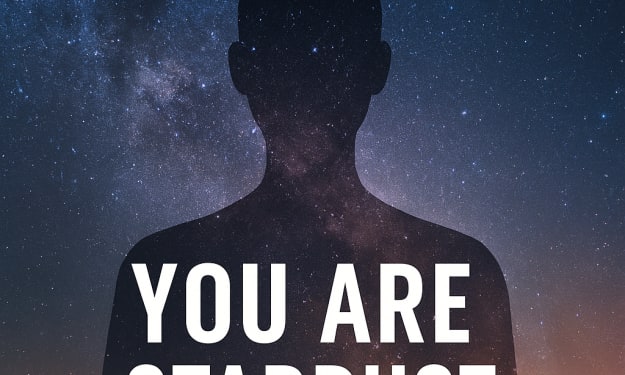
We Are Stardust: How the Atoms in Your Body Tell the Story of the Universe
Have you ever taken a quiet moment to ask yourself what you’re actually made of? Not the labels given by parents, not the job title on a business card, not even the tangled web of worries and hopes the mind so expertly weaves. No.
By Stefano D'angelloabout a year ago in Motivation
How I Earned $250 in 5 Days Online — Without Selling or Spending a Dollar
It started with frustration. I had just finished a night shift at work, exhausted, my bank balance barely over $5. I knew I had to do something. I wasn’t looking to get rich — I just needed a way to make a little extra cash without spending any, and honestly, without doing anything too complicated. That’s when I stumbled on an idea that sounded way too good to be true: > “Make money online without selling anything — just copy and paste.” I almost ignored it. But something in me said, “Just try it. You’ve got nothing to lose.” And I’m so glad I did — because five days later, I made $250, just by using free tools and a bit of smart strategy. Here’s how it all happened. --- 🔹 Day 1: Learning the Basics I spent the first day researching ways people earn online without selling or investing anything. That’s when I discovered something called affiliate marketing. It sounds technical, but it’s not. All it means is: > You recommend a product, and if someone buys it, you earn a small percentage. The best part? I didn’t need a website. I didn’t need followers. I didn’t even need to be on camera. One of the most well-known affiliate platforms is Amazon Associates. You can sign up for free, search for products, and get your own unique link for each one. When people buy through your link, Amazon pays you a commission. I had no idea this kind of thing even existed. But it was real — and I decided to give it a shot. --- 🔹 Day 2: Picking the Right Products The next step was figuring out what to promote. I knew I couldn’t just randomly share links and hope someone buys. So I looked for items that: Were popular (things people already wanted) Were affordable (under $50) Had great reviews Looked interesting visually I noted a few cool gadgets — things like wireless mini printers, portable blenders, and budget tech items. I wrote down their names so I could reference them later without dropping any links. --- 🔹 Day 3: The Copy-Paste Magic Here’s where the magic happened. I discovered that Pinterest — yes, the app mostly known for recipes and decor — was actually a goldmine for free traffic. I created a brand new Pinterest account with a simple name and used Canva.com (a free design tool) to create image posts, known as “pins.” These were like mini-ads: a picture of the product, a short catchy phrase, and a small caption. Examples of what I made: “Genius Gadget Every Student Needs” “This Little Printer Blew My Mind!” “Under $30 and Totally Worth It” I didn’t use any links in the pins — I just added a note in the caption like: > “You can find this by searching ‘mini printer for phone’ on Amazon.” And that was it. Copy. Paste. Post. --- 🔹 Day 4: The First Signs of Hope At first, nothing happened. No views. No clicks. But I kept going. Then on the morning of day 4, I checked Pinterest — and two of my pins had over 1,000 views each. People had saved them, re-pinned them, and commented asking where to find the product. That’s when I realized: Pinterest is like Google, but for visuals. People go there actively looking for ideas and products — and if your post stands out, they’ll click. Even though I wasn’t putting direct links, I could still guide them by saying: > “Search this product name — it’s worth it.” By the end of the day, I checked my affiliate dashboard and saw something I’ll never forget: $34.70 earned. It felt surreal. --- 🔹 Day 5: $100+ In One Day By now I had made more than 15 Pinterest pins, each pointing to different product ideas. I used simple tools. No voice. No face. No sales talk. Just showing people what I genuinely thought was useful. On day 5, two of my product suggestions suddenly went mini-viral — one was a home organizer set, the other was a mini travel steamer. Both were trendy, visually appealing, and useful. That day, I made over $112 in commissions. All from home. All using just free tools. No spending. No selling. --- 🔸 Why It Worked The reason this worked isn’t because I’m some marketing genius — far from it. It worked because: People trust Amazon Pinterest is a traffic engine Canva makes design super easy I focused on solving problems (products that help people) I stayed consistent for 5 days — that’s it --- 🔸 Tools I Used (All Free) If you're curious, here’s what I used: 1. Pinterest – to post and reach people 2. Canva – to design the pins 3. Google Sheets – to track what I posted 4. Amazon Associates – for earning (you can search for it online) No paid ads. No fancy software. No editing. --- 🔸 Would I Recommend This? If you’re looking to quit your job, this might not be enough — at least not right away. But if you need a real, beginner-friendly way to start making online income, this works. It’s quiet work. It’s behind the scenes. No shouting, no begging people to buy. You just post content that helps people — and some of them will take action. I’m still doing it — now at a slower pace, but every week I earn a little more. Some days $10, some days $50+. And it all adds up. --- ✨ Final Thoughts If you’re struggling right now — maybe with bills, maybe with self-doubt — I just want to say: I get it. I was there. I’m still figuring things out. But this small win — $250 in 5 days — showed me that the internet can be a tool, not just a distraction. Start small. Start today. Use free tools. Share helpful stuff. Stay honest. You never know what 5 days can do.
By Umar Farooqabout a year ago in Motivation
How I Got My First Top Story on Vocal — And What It Really Takes
I remember the day it happened. I’d published another story on Vocal Media, poured my heart into it, but honestly, I didn't expect much. I’d had my share of posts that disappeared into the vast digital ocean without a ripple. But then, slowly at first, the views started climbing. Then the likes, the shares, and eventually, the elusive "Top Story" badge appeared. It was exhilarating, a sudden validation of all those late nights and endless edits. But beyond the thrill, it was a profound learning experience. This wasn't just about one successful post; it was about unlocking a deeper understanding of how to genuinely connect with readers, build a compelling narrative, and truly find your unique voice on Vocal Media. And today, I want to share the invaluable lessons that "viral" moment etched into my journey as a writer. Lesson 1: Authenticity is Your Superpower – Ditch the Generic Before my "Top Story" moment, I often wrote what I thought people wanted to hear – generic advice, broad observations. But the story that took off was intensely personal and vulnerable. It wasn't about being perfect; it was about being real. * Share Your Truth: Readers crave honesty. Whether it's a personal struggle, a unique insight, or a heartfelt opinion, don't shy away from sharing your authentic self. My successful piece wasn't polished to perfection; it resonated because it felt like a direct conversation from one human to another. * Embrace Vulnerability: It's terrifying to lay bare your thoughts or experiences, but that's where true connection happens. When you're brave enough to be vulnerable, you give others permission to feel seen and understood. That shared human experience creates a bond far stronger than any perfectly crafted sentence. * Your Voice is Unique: Don't try to mimic popular writers. Spend time understanding what you bring to the table. What are your unique perspectives, your specific experiences, your distinct way of phrasing things? That distinct voice is what will make readers come back for more. Lesson 2: Solve a Problem or Stir an Emotion – Don't Just Inform My successful story didn't just present information; it addressed a deep-seated feeling or a common struggle that many people experience but rarely talk about. * Identify a "Pain Point": Think about what keeps people up at night. What universal anxieties, frustrations, or desires do they have? My article tapped into a shared, often unspoken, internal conflict. * Offer More Than Data – Offer Hope: While information is good, true impact comes from providing solutions, comfort, or a new perspective. My piece didn't just highlight a problem; it outlined the steps I took to overcome it, offering a beacon of hope to those facing similar challenges. * Craft a Narrative, Not Just a Report: Even if you're writing about non-fiction, tell a story. Use anecdotes, personal examples, and a clear beginning, middle, and end. People remember stories, not just facts. How did you get there? What did you learn? How did you change? Lesson 3: The Power of Presentation – Make It Easy to Read Even the most brilliant ideas can get lost if they're hidden behind a wall of text. My "Top Story" was not only well-written but also visually appealing and easy to digest. * Break Up Your Text: Long paragraphs are intimidating. Use short, punchy paragraphs, ideally 2-4 sentences each. * Utilize Headings and Subheadings: These act as signposts, guiding the reader through your content and making it scannable. They also help organize your thoughts. * Embrace Bullet Points (Strategically): For lists, tips, or key takeaways, bullet points are a reader's best friend. They break up text and make information easy to absorb. * Choose a Compelling Image: A great featured image captures attention and sets the tone. Make sure it's high-quality and relevant to your story. * Proofread Relentlessly: Spelling and grammar errors distract from your message. Use tools like Grammarly, but also read your work aloud to catch awkward phrasing. Lesson 4: Promotion Isn't Optional – It's Essential This was perhaps the biggest eye-opener. Writing a great story is only half the battle; getting it seen is the other. My "viral" moment didn't happen in a vacuum. * Leverage Social Media: Share your Vocal post across all your social media channels (Facebook, Twitter, LinkedIn, Instagram, Pinterest). Don't just post once; share it again on different days and at different times. * Engage with Communities: Share your work in relevant Facebook groups, Reddit communities (where allowed), or writing forums. Be part of the conversation, not just a broadcaster. * Utilize Vocal's Features: Participate in challenges. Engage with other creators' work by reading and commenting. Vocal’s algorithm often favors creators who are active within the community. * Don't Be Afraid to Share Your Success (Respectfully): When your story gets traction, share that excitement! It's motivating for others and highlights your credibility. Lesson 5: Consistency and Patience – The Long Game of Writing My "Top Story" wasn't my first, nor was it my last. It was the result of consistent effort and learning from every piece I wrote. * Keep Writing, Keep Learning: Every story is a lesson. Analyze what works and what doesn't. Read what other successful Vocal creators are publishing. * Don't Chase Perfection, Chase Progress: Your first few stories might not get much traction, and that's okay. Focus on improving with each piece. * The Algorithm is a Mystery (Mostly): Sometimes, a story just hits at the right time. Focus on what you can control – quality, authenticity, and promotion – and trust the process. Your Voice, Your Story: The Path to Your Own Viral Moment My journey to a "Top Story" on Vocal Media was less about a single stroke of genius and more about a persistent commitment to authenticity, connection, and learning. It taught me that readers aren't just looking for information; they're looking for understanding, inspiration, and a genuine human touch. By focusing on writing from the heart, addressing universal experiences, presenting your work clearly, and actively promoting it, you too can amplify your voice and create stories that truly resonate. Your unique story is waiting to be told, and Vocal Media is waiting to hear it. Go out there and write your "Top Story" into existence.
By Reality Brooabout a year ago in Motivation
Worn Soles, Holy Ground
There’s something sacred about the places we walk when no one is looking. Not the ones with polished tiles or manicured grass. I’m talking about the places in between — the cracked sidewalks, the abandoned lots, the dirt trails between the houses we knew and the ones we only dreamed of.
By Echoes of Lifeabout a year ago in Motivation
Why people put up walls instead of reaching out
It’s easy to take someone’s distance personally. When someone pulls away, shuts down, or stops sharing, our minds often rush to judgment: They’re cold. They don’t care. They’re pushing me away. But in truth, many people build emotional walls not because they lack feeling - but because they feel too much.
By Olena about a year ago in Motivation
Every time you choose yourself, the right things get closer.
We often wait for life to deliver what we long for - the right people, the right opportunities, the right peace. But alignment doesn’t begin with waiting. It begins with choosing. Choosing yourself - your values, your truth, your boundaries, even when it’s hard. Especially when it’s hard. Because every time you choose yourself, you make a statement to life: I am ready to be met with what honors me.
By Olena about a year ago in Motivation
Loneliness isn’t always a void - sometimes it’s a signal that you’re finally alone with your truth.
We’re taught to fear loneliness - to fill the silence, numb the stillness, or distract ourselves from it at all costs. But not all loneliness is a sign that something’s wrong. Sometimes, it’s not a void but a doorway. A moment when the noise of everyone else’s expectations fades and we’re left standing eye-to-eye with who we really are.
By Olena about a year ago in Motivation
If it drains you more than it grows you, it’s not alignment - it’s attachment.
Many of us hold onto things - relationships, jobs, habits- not because they bring peace or purpose, but because they feel familiar. We confuse emotional intensity with connection. We mistake resistance for growth. But not everything that challenges you is aligned with your healing or future. There’s a difference between something stretching you to become better, and something draining you because you won’t let go.
By Olena about a year ago in Motivation
Boundaries aren’t walls - they’re doors to peace.
The word “boundaries” often gets misunderstood. People hear it and assume distance, coldness, or rejection. But boundaries aren’t about shutting people out - they’re about letting the right things in and keeping the harmful things out. Boundaries are how we preserve peace, protect our energy, and stay in alignment with our truth. They aren’t barriers to connection - they’re the path to healthy, safe, and sustainable relationships. This post is a reminder that boundaries are not selfish - they are sacred.
By Olena about a year ago in Motivation
The version of you that survived is allowed to rest.
There’s a version of you that carried it all. The one who endured what others didn’t see, who kept going without asking for help, who figured out how to survive when life didn’t feel fair. That version of you is powerful - but it’s also tired. And it’s okay to let that version rest. You are no longer in the same place you had to fight your way out of. This post is a gentle reminder that rest is not just a break - it’s a right earned by the parts of you that never gave up.
By Olena about a year ago in Motivation