success
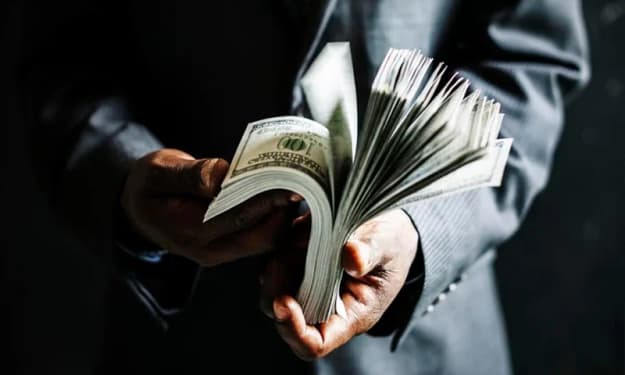
The road to success is always under construction; share your equations for success — and learn some new ones.
"Fail Forward: Turning Setbacks Into Stepping Stones"
In a bustling corner of Brooklyn, New York, a young entrepreneur named Ryan McCallister was brimming with ideas. At 27, Ryan had always dreamed of opening his coffee shop, one that combined his love for artisanal coffee with community events. But dreams, as Ryan soon learned, often come with their share of setbacks. Ryan’s first attempt was a pop-up coffee stall at the local farmer’s market. Armed with a small loan and a passion for brewing, he was convinced that people would flock to his stall for his signature “Brooklyn Blend.” But reality had other plans. First Failure: The Burnt Beans Incident ☕🔥 On his launch day, Ryan underestimated the complexity of managing a coffee stall. A faulty grinder ruined the beans, and in his rush, he brewed coffee that tasted like ash. Customers grimaced, some walked away mid-sip, and one even commented, “This tastes like my Monday morning regrets.” Ryan was humiliated. He packed up early and spent the night questioning his dream. “Maybe I’m not cut out for this,” he thought. But as he stared at his coffee equipment, he realized one thing—he hadn’t practiced enough.b' Lesson 1: Mastery Requires Practice Determined to improve, Ryan spent weeks perfecting his brewing techniques. He learned how to calibrate his grinder, experiment with roast profiles, and even sought advice from veteran baristas. Second Failure: The Empty Shop 🚪 Six months later, with a fresh business plan, Ryan opened a small coffee shop called The Grind. He invested his savings into a cozy space with warm lighting, trendy decor, and a menu boasting the “best latte in Brooklyn.” For the first two weeks, his shop was eerily quiet. Friends and family supported him, but foot traffic was non-existent. Frustrated, Ryan stood by the window watching people walk past, not even sparing a glance. Lesson 2: Visibility is Key Ryan realized his mistake: He hadn’t marketed his shop. Taking to social media, he created posts highlighting his story, offering discounts, and hosting events like latte art competitions. Slowly, the buzz began to grow, and more customers trickled in. Third Failure: The Big Event Disaster 🎤☕ To celebrate his shop’s six-month anniversary, Ryan hosted a local poetry night. The turnout was fantastic, but in the middle of the event, a power outage left the shop in darkness. The espresso machine stopped working, and customers left early, annoyed. Ryan wanted to cry. Every step forward felt like two steps back. But later, a poet who had attended messaged him, saying, “Even with the lights out, your shop has such a great vibe. Don’t give up.” Lesson 3: Embrace the Chaos This failure taught Ryan to prepare for the unexpected. He installed a backup generator, trained his staff to handle crises, and learned to laugh at mishaps. lhe Turning Point 🌟 Over time, Ryan’s persistence began to pay off. His social media strategy brought in regular customers, and his coffee started receiving rave reviews. He even collaborated with local artists to create a mural in the shop, making it a popular Instagram spot. Three years later, The Grind wasn’t just a coffee shop; it was a community hub. People came not only for the coffee but also for the open mic nights, book readings, and the warm atmosphere Ryan had worked so hard to build. Reflections on Failure Looking back, Ryan realized that each failure had taught him something crucial: The burnt coffee taught him the importance of preparation. The empty shop taught him the value of visibility. The power outage taught him to embrace unpredictability. Without these setbacks, Ryan might never have achieved the success he enjoyed today. Why Failure is a New Beginning Ryan often shared his story with budding entrepreneurs who visited his shop. “Failure is just feedback,” he’d say. “Every stumble is a step closer to where you’re meant to be.” Your Turn What’s a failure you’ve experienced, and what did it teach you? Remember, as Ryan proved, failure isn’t the end—it’s just the beginning of something incredible. 🚀 Share your story in the comments. Let’s inspire each other to turn setbacks into stepping stones!
By Pure Crown2 years ago in Motivation
How Does Reading Affect Your Brain
How Does Reading Affect Your Brain For me, reading is a passion. It was during a moment that I can't even remember when I first fell in love. During my childhood, I lived in a small, distant community where the majority of the residents were farmers, and 99 percent of the farmers never attended school. Although he did not complete his education, my father eventually became a member of the police force. The fact that he used to read a lot and pretty much all the time was a pleasant surprise for me. He enjoyed novels. On the other hand, he never urged me to read the same novels that he used to read, but he did encourage me to read textbooks frequently. Sometimes, I used to keep his novel inside a textbook to enjoy the taste of a story. If the author is skilled at storytelling, you will feel as though you are one of the characters in the novel. Fiction has the ability to transport you to any location. My physical structure is the second most essential reason why I enjoy reading so much more than anything else. Yes, you are quite correct about my physique. Even when I was very little, I had the appearance of being tall and slender. As you may know, farming in developing nations is physically tough work. Therefore, in the early hours, I forced myself to study; to study more, you must read more. The rest is history. Now, I have a flexible budget to acquire books. In fact, I have more books than I read in my lifespan. I used to think that if I bought a book and I didn’t read it, it was a waste of time. I don’t believe that way anymore; today I buy books if I like the author, the title, and especially the topic if I am working on the subject. You know learning should not cease. I honestly feel continuous learning is the only way to grow. Anyway, that’s enough history on how I fell in love with reading. It’s time to study and justify the term—how reading has the capacity to modify your brain. It’s so natural that before we began reading, we glanced at all of the forms and patterns on the page. After that, the back of the brain gets these images and processes them in the same way as any other. They go to the temporal lobe next. What is the temporal lobe? The temporal lobes reside behind the ears and are the second biggest lobe. They are most typically connected with processing auditory information and with the encoding of memory. — Queensland Government The brain’s letterbox, in this instance, is where the black items are first identified as letters in a word. Information from the letterbox then passes to the frontal lobe and other regions of the temporal lobe, where we identify the true meaning and pronunciation of the word in an experienced reader. This entire operation takes less than half a second. I know what you’re thinking, though: Why does this happen? Research suggests those who read 30 pages of a book every night have greater activity in the left temporal lobe, where memory is located in the morning. Reading has also been connected in several studies with lower chances of dementia and emotional management, which may assist to explain why many people find that reading. This means that in order to gain the greatest benefits, you must establish a habit, which is what I’ve been aiming to achieve by performing 30+ days of challenges; as a consequence, I’ve found out how it operates and have a fundamental grasp of it. To start with, I’ve been reading the everyday nonfiction stuff Stoic on my Kindle each morning. It’s a brief read—four pages take less than 10 minutes—but it’s a terrific start. My goal was to mislead my brain into believing that since I’ve already read something today, I may as well read a little bit more. So far, it’s working. Since this tiny experiment, I prefer to read instead of going on social media. If a book is good, I always feel encouraged to attempt putting what I’ve learned into practice, but after a few weeks, I still need to recall everything the book taught me. This is where the Kindle helps a lot. It comes in helpful for me to note passages that have struck my head and keep them for later reference. I attempted to compress them into a concept page, but this was too much extra work, and I didn’t really stick to it. However, I added a reminder to see the highlights each Sunday for 30 minutes from the book I was reading. Over the previous few weeks, reading has helped me construct a constant cycle where I’ll read a book, underline the finest sections, and then repeat each Sunday. It motivates me to read more! I have adopted this practice of putting books across the home, especially near the bedroom side tables. It helps me to read before going to bed. I’ve persuaded myself that this doesn’t have to be for hours; it may only be a few pages, but at least read anything. This practice has actually been difficult for me to continue when I’m exhausted and can’t be bothered, so on some days, I’ve given myself a break, but on most days, I’ve been keeping to it, and it’s been working. The bottom line Start small and develop a store of your information, read it, and schedule reading periods as I do each Sunday. I just started my website, where I will publish my book reviews. It will also help me recollect the book, especially the major parts, and share it with my readers. Here are the 7 brain reasons to make reading a habit. It helps to strengthen your brain. It lessens your tension. It expands your knowledge. It helps to boost your memory. It increases your concentration. It increases your communication skills. It enhances your mental wellness.
By Matias Martin2 years ago in Motivation
Super Success in Affiliate Marketing
By: Paul Claybrook, MS, MBA Many people have achieved remarkable success with affiliate marketing, leveraging diverse strategies to build profitable businesses. Here are some inspiring stories of affiliate marketers who "made it big":
By Paul Claybrook MS MBA2 years ago in Motivation
The Manifesting Vision Board Tool: Unusual Tips for Creating Your Own.
Here’s the paragraph with bold subtitles: --- It’s always the ideal time to build yourself the amazing manifesting tool called the vision board. Most people who construct them say that practically everything on their board sooner or later comes true. I’ve certainly found that to be so.
By Isra KHALDI2 years ago in Motivation
How Using the Bathroom Is So Much Better When You Work from Home
Few things are as universally awkward—and, oddly, bonding—as the shared experience of navigating workplace bathrooms. Between the lack of privacy, long lines, and questionable cleanliness, these communal spaces are a common workplace gripe. The office bathroom, with its unspoken rules and social pitfalls, is as much a battleground for dignity as it is a place for bodily necessities.
By Paul Claybrook MS MBA2 years ago in Motivation
The Winds of Change: How to Adapt and Thrive in Uncertain Times
Change is often met with resistance. The uncertainty, the unpredictability, and the fear of]mathe unknown can create a deep sense of discomfort. We humans love our routines, our familiar paths, and the stability they bring. But what if we could learn to embrace change as a powerful tool for growth and transformation? Let’s dive into the journey of Ben, a man who learned the hard way that resisting change can limit your potential. Ben had always been a creature of habit. He’d lived in the same neighborhood for years, worked at the same company for over a decade, and found comfort in his routine. But when Ben’s company suddenly shut its doors, everything changed. One morning, Ben’s boss called him into the office. The economy had taken a downturn, and despite his years of loyal service, the company could no longer afford to keep the staff. Ben was laid off without warning. Shocked and stunned, he felt as though the ground beneath him had collapsed. The thought of change felt terrifying. His life was built around his job and the stability it provided. Now, all of that was gone. He tried to find another job in the same field, but the industry was saturated, and his years of experience seemed to mean little in an ever-evolving job market. Ben spent months feeling stuck. He applied for job after job with no success. His frustration grew, and he resisted any thought of venturing into new career paths. The idea of reinventing himself was too overwhelming. He clung to the hope that eventually, things would return to how they once were. But deep down, Ben knew that he was being held back by his fear of change. One day, while scrolling through social media, Ben stumbled upon a post from an old friend, Laura. Laura had always been the more adventurous type, someone who embraced new challenges without hesitation. Recently, she quit her corporate job to start her own online business. Her post shared the struggles she’d faced in making such a bold decision, but she also talked about how liberating and fulfilling the journey had become. Ben felt a twinge of jealousy mixed with admiration. How had she done it? Determined to understand, Ben reached out to Laura. They met for coffee, and Laura shared how she, too, had been hesitant about leaving her comfortable job. But eventually, she realized that life wasn’t about staying within the lines; it was about embracing new opportunities, even when they seemed daunting. “Ben,” Laura said, “you can either keep fighting change, or you can adapt and thrive in it. The choice is yours.” Those words resonated deeply with Ben. He began to realize that his resistance to change had been preventing him from seeing the opportunities around him. If Laura could make a career change, why couldn’t he? Inspired by Laura’s story, Ben started taking small steps toward change. He enrolled in online courses to learn new skills in digital marketing and content creation. At first, he felt out of his element, but the more he learned, the more confident he became. He began to network, reaching out to people in the industry to gain insights and advice. Slowly but surely, Ben started to transform his career. A few months later, Ben took a leap of faith and started freelancing. He offered digital marketing services to small businesses in his area, and what started as a side hustle quickly grew into a full-time endeavor. The work was challenging, but it was also exciting. For the first time in years, Ben felt a renewed sense of purpose. Ben’s transformation didn’t stop at his career. His personal life also flourished as he learned to embrace change. He began exploring new hobbies, met new people, and even started traveling more. His mindset had shifted from one of fear and resistance to one of possibility and growth. What Ben had learned was simple, yet profound: change is not something to fear, but something to embrace. The fear of stepping into the unknown will always be there, but it’s only when you take that first step that you unlock new opportunities and experiences that can change your life for the better. Are you stuck in a cycle of resistance to change? It’s time to break free. Change doesn’t have to be terrifying. It can be the key to a more fulfilling, purpose-driven life. If you’re facing challenges or uncertain times, remember that flexibility and openness are your greatest strengths. Don’t wait for things to fall into place on their own—be the change. Seek out new opportunities, learn new skills, and dare to step into the unknown. Life is too short to let fear hold you back. Take Action Today: Identify one area of your life where you’re resisting change. Take a small step toward embracing it—whether it’s learning something new, reaching out for help, or trying something outside your comfort zone. Share your journey with others and encourage them to do the same. The winds of change can lead you to greater heights, but you have to be willing to ride the breeze. 🌱✨ Let’s embrace change together. What’s one change you’re ready to make today?
By Pure Crown2 years ago in Motivation
Affiliate Marketing
By: Paul Claybrook, MS, MBA Picture this: you’re lounging on a beach, the sun gently bronzing your skin as a soft breeze whispers secrets of freedom and wealth in your ear. Your phone dings with a notification—a fat commission just dropped into your account. No commute. No cubicle. Just you, a mojito, and an affiliate income stream trickling in faster than that SPF 50 can keep up. Is this a dream? Nope, just affiliate marketing. And let’s be honest: affiliate marketing might be the closest you can get to being paid for breathing.
By Paul Claybrook MS MBA2 years ago in Motivation
How to Introduce Your Business Organically Without Being Intrusive
In today’s competitive business landscape, finding ways to introduce your brand without being intrusive or annoying can make all the difference. Traditional sales tactics, often pushy or overly aggressive, can alienate potential customers rather than build meaningful relationships. Fortunately, there are numerous organic methods to promote your business that focus on providing value, fostering trust, and creating connections. From leveraging the power of social media to offering free samples, these approaches help you connect with potential clients in an authentic way, positioning your business as a resource rather than a hard-sell entity. By adopting strategies such as hosting workshops, partnering with complementary businesses, and engaging in community outreach, you can naturally raise awareness of your products or services while cultivating long-term loyalty. The key is to focus on the needs and interests of your audience and introduce your business as a solution that adds genuine value to their lives. In this article, we’ll explore ten effective, non-intrusive methods to introduce people to your business, each designed to help you grow your brand without feeling salesy or annoying.
By Paul Claybrook MS MBA2 years ago in Motivation
Ripple Effect: How Acts of Kindness Can Change the World
Kindness is one of the most powerful forces in the world. It can change the course of someone's day, brighten their mood, and even create a ripple effect that spreads beyond the original act. When we think of kindness, we often imagine simple gestures—a smile, a helping hand, or a compliment. But what if I told you that a single act of kindness could spark an entire chain reaction, affecting countless lives in ways we can’t always predict? Let me share a story about a woman named Emma and the profound impact her act of kindness had on a community. It all began on a rainy afternoon when Emma, a busy single mother of two, was rushing to pick up her kids from school. As she hurried through the parking lot, she noticed an elderly man struggling to carry his groceries, his hands trembling with age and frailty. Without thinking twice, Emma immediately stopped, offered to help, and walked with him to his car. It was a small gesture, but to the elderly man, it was nothing short of a lifeline. Grateful for her assistance, he struck up a conversation with Emma. They talked about life, family, and the challenges that come with aging. After a few minutes of chatting, the man smiled warmly and thanked Emma for her kindness, telling her it meant more than she could know. At first glance, this may seem like an insignificant moment, something that could easily be forgotten in the hustle and bustle of daily life. But what happened next was truly remarkable. The elderly man, whose name was George, was a regular at a local coffee shop. Inspired by Emma’s kindness, he decided to pay it forward. The very next morning, he bought a cup of coffee for a stranger who had been sitting alone, looking downcast. He didn’t know this person’s story, but he felt compelled to make their day a little brighter, just as Emma had done for him. This simple act set off a series of events that no one could have predicted. The stranger, a young woman named Sarah, had been struggling with depression. She had recently lost her job and was feeling overwhelmed by life’s challenges. The gesture of kindness from a stranger lifted her spirits and reminded her that there was still good in the world. Inspired by the kindness she had received, Sarah went home that day and reached out to a friend she hadn’t spoken to in months. They had fallen out over a trivial misunderstanding, but now, with a heart full of gratitude, Sarah decided to mend the relationship. She called her friend, apologized, and made plans to meet up. When they reunited, they spent hours catching up, laughing, and sharing stories. Their reconnection sparked a sense of hope in Sarah, who realized that small steps could lead to healing, both for herself and her relationships. The next week, she decided to volunteer at a local shelter, hoping to bring a little light to others. Meanwhile, Emma, who had long since forgotten her encounter with George, received a surprise. Her son’s teacher, Mrs. Parker, called to thank Emma for her positive attitude and involvement in the school. Mrs. Parker had been feeling discouraged after a particularly challenging week and was contemplating quitting her job. But seeing Emma’s kindness, not just in her actions, but also in the way she interacted with others, had rekindled her passion for teaching. This wasn’t just a one-off experience either. Emma’s small act of kindness had an ongoing effect on the people around her. Her children, inspired by what they had witnessed, began doing their good deeds—helping neighbors with groceries, picking up litter in the park, and offering a kind word to someone in need. Emma’s kindness had become a model for her kids, teaching them that compassion is a valuable currency. Emma later found out that Sarah, the young woman who had received the coffee from George, had started a community initiative to help people struggling with job loss and mental health challenges. Her project aimed to provide free career counseling and mental health support to those who couldn’t afford it. And it all started with one simple, yet profound, act of kindness. This story serves as a reminder that kindness is never wasted. It may feel like a small gesture at the time, but the impact can be far-reaching, touching lives in ways we might never see or understand. When we choose kindness, we create a ripple effect—an unseen wave of positivity that spreads from one person to another, transforming lives in the process. Kindness is an investment that never depreciates. It enriches both the giver and the receiver, creating a world that is warmer, more compassionate, and connected. We all can make a difference, not by grand gestures or monumental actions, but by showing kindness in the small, everyday moments. So, the next time you see someone struggling, don’t hesitate to offer a helping hand or a kind word. You never know—your act of kindness might just set off a chain reaction that changes the world. And remember, kindness doesn’t just change others; it has the power to change you as well. 🌟
By Pure Crown2 years ago in Motivation
"Unmasking Yourself: The Art of Self-Discovery"
In a small town nestled in the rolling hills of Colorado, lived a 30-year-old woman named Natalie. On the surface, Natalie seemed to have it all—a stable job as a teacher, a cozy home, and a group of loyal friends. Yet, she often found herself feeling restless and unfulfilled as if she was wearing a mask that hid her true identity. One chilly autumn morning, while sipping coffee by her window, she stumbled upon a quote in a book: "To find yourself, you must first lose yourself in the depths of who you truly are." The words resonated with her. She realized she had spent her life conforming to the expectations of others—her parents wanted her to be a teacher, society expected her to settle down, and even her hobbies were influenced by her friends. Natalie decided it was time to embark on a journey of self-discovery, no matter how daunting it felt. Step 1: Acknowledging the Mask 🎭 Natalie’s first step was acknowledging the many masks she wore. She took a journal and wrote down everything she did because she felt she “had to.” Attending weekly book clubs, even though she disliked the books they chose. Teaching, though she had always dreamed of becoming an artist. Pretending to love hiking to fit in with her adventurous friends. She stared at the list and felt a pang of guilt. Was she living her life for herself or others? Step 2: Facing the Fear of Change The thought of change terrified Natalie. She feared judgment and rejection. However, she realized that staying true to herself meant taking risks. Her first act of defiance against her old self was skipping the book club to attend an art workshop in the city. Walking into the studio, she felt like an imposter. But as her hands dipped into vibrant paints, blending colors on the canvas, she felt alive for the first time in years. 🎨 Step 3: Discovering Her Authentic Self Natalie began exploring activities that resonated with her soul. She joined a pottery class, started journaling her thoughts every morning, and took long, solitary walks in nature to reflect. During one such walk, she came across a hidden grove with a stream trickling through it. Sitting on a rock, she asked herself, What makes me truly happy? The answer surprised her—creating art, connecting deeply with a few people, and embracing solitude when needed. Step 4: Confronting Criticism When Natalie shared her journey with her friends, some were supportive, but others questioned her. “You’re giving up teaching? That’s so risky,” one friend remarked. “You don’t like hiking? Why didn’t you say so before?” another asked. Natalie felt hurt, but she stood her ground. She realized that being authentic might mean losing some relationships, but it also meant gaining ones that aligned with her true self. Step 5: Transforming Her Life 🌟 Natalie gradually built a new life around her passions. She began selling her paintings online, gaining a small but loyal following. She also started a blog called “Unmasked,” where she shared her journey of self-discovery to inspire others. Her mornings were now filled with the aroma of fresh coffee, the hum of her favorite playlist, and hours of painting. Evenings were spent reflecting, journaling, or connecting with people who understood her. The Power of Authenticity Natalie’s transformation wasn’t just external—it was deeply internal. She felt lighter, happier, and more connected to herself. By unmasking her true self, she found fulfillment that no societal validation could replace. Your Turn Have you ever felt like you’re wearing a mask? What would happen if you took the first step toward embracing your authenticity? 🎭 Share your thoughts or personal journey in the comments. Let’s inspire each other to unmask and embrace our true selves!
By Pure Crown2 years ago in Motivation
Transform Your Body: The Ultimate Strategy to Lose Weight and Build Lean Muscle Simultaneously. Content Warning. AI-Generated.
The Best Way to Lose Weight and Gain Lean Muscle at the Same Time In this world where there is so much frenzy around fitness myths, the thought of losing weight while gaining lean muscle seems like a distant dream. Tons of folks think you have to go one direction or the other, but what if we told you that with the correct strategy, nearly these home owning goals can peacefully coexist? Now imagine losing fat and building your physique at the exact same moment. It might seem too good to be true, but it’s perfectly possible.
By kalu ram meena2 years ago in Motivation