success
The road to success is always under construction; share your equations for success — and learn some new ones.
Our knowledge of cancer and mental illness may be altered by a new atlas of foetal brain cell development.
Thousands of foetal brain starting cells have been linked by scientists to the precise neurones and support cells that these cells subsequently generated. As a result, brain development becomes a timed sequence that determines when tumor-like growth programs and risk-linked genes can become active.
By Francis Dami7 months ago in Motivation
The Habit That Gave Me Back My Confidence
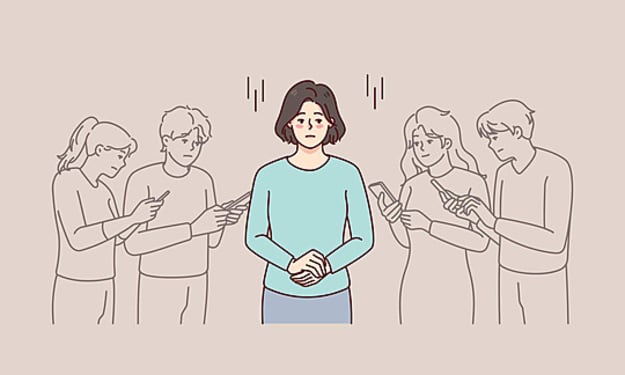
For a long time, I felt invisible. Not the kind of invisible where people literally can’t see you, but the kind where you slowly begin to believe that your voice doesn’t matter. In conversations, I spoke less. In meetings, I stayed quiet. Even when I had ideas, I kept them to myself because I thought someone else probably had a better one.
By Dadullah Danish7 months ago in Motivation
In the Waiting Crowd, I Learned to Walk Away
A young man waits years for a confession of love, then chooses to leave. This Might Hurt, But It Will Save You Have you ever felt that gnawing pit in your stomach—the kind that keeps you awake at night—because you’re waiting for someone to notice your heart? Waiting, hoping, imagining a confession that might never come? You scroll through your day, pretending it’s fine, while deep down, a voice whispers: “Is this really worth it?” That’s exactly where our story begins. --- Chapter 1: The Weight of Waiting Alex had been waiting for years. Every message, every glance, every smile, was dissected and overanalyzed. He had memorized every tiny sign, clinging to hope that someday, she would see him the way he saw her. But with each passing year, something invisible yet heavy settled on his shoulders: frustration, anxiety, and a subtle erosion of self-worth. Sound familiar? Maybe it’s your story too. Here’s the harsh truth: waiting for someone to finally recognize your worth is a trap. People often confuse patience with endurance, but endurance isn’t the same as love being returned. Love isn’t something you should beg for, wait for indefinitely, or rationalize into existence. --- Chapter 2: When Hope Turns Toxic Hope is a double-edged sword. On one side, it motivates you; on the other, it blinds you. Alex knew this slowly, painfully, as he realized his life was passing by while he was frozen in a limbo of “maybe someday.” Do you know that feeling when you’re sitting in a café, scrolling your phone, and everyone around seems to be moving forward except you? The pain isn’t just emotional; it’s physical. Your body reacts to unfulfilled hope the same way it reacts to prolonged stress: insomnia, tension, irritability. Lesson: Waiting endlessly can make you emotionally addicted to someone who may never reciprocate. That’s a dangerous cycle. --- Chapter 3: The Turning Point Then came the day Alex finally felt the breaking point. It wasn’t dramatic—no thunder, no cinematic speech. It was quiet, almost invisible: he realized he had been living someone else’s timeline, not his own. He asked himself a simple but life-changing question: “Am I building my future, or just holding onto a fantasy?” And just like that, he made a choice: he would leave. Not in anger. Not in revenge. Simply… in self-respect. --- Chapter 4: Why Walking Away Is Sometimes the Bravest Move Walking away doesn’t mean failure. Walking away doesn’t mean you didn’t love enough. In fact, it often takes more courage to let go than to cling on. Here’s why: 1. You reclaim your time – Years spent waiting are years you could have invested in yourself, your passions, your growth. 2. You reclaim your energy – Emotional energy is finite. Every moment spent on someone who won’t meet you halfway depletes your capacity for joy. 3. You set boundaries – Staying too long in one-sided love teaches others they can take without giving. Walking away signals that your heart has value. 4. You open doors to better possibilities – Life rarely gives second chances with the same person in the same way. By leaving, you create space for love that’s mutual, respectful, and timely. --- Chapter 5: The Subtle Art of Letting Go Letting go doesn’t mean erasing memories or feelings. It’s about changing the narrative. Here’s how Alex did it, step by step: 1. He acknowledged the truth – He admitted to himself that she wasn’t going to reciprocate, no matter how much he wished it. 2. He reframed his mindset – Instead of seeing it as “loss,” he began seeing it as liberation. 3. He created physical and emotional space – He stopped overanalyzing her posts, stopped checking her online activity, and minimized contact. 4. He focused on himself – Learning new skills, exploring new friendships, traveling, journaling—anything that made him feel alive again. 5. He forgave himself and her – Not for her sake, but for his peace of mind. Holding resentment is like carrying stones in your pockets; letting go lets you walk lighter. --- Chapter 6: The Unexpected Freedom The first week after leaving felt like a rollercoaster. There was loneliness, of course. But there was also clarity. Alex realized: he had been waiting for someone else to validate his life, when all along, he was the one in charge of his happiness. Weeks turned into months, and the heaviness in his chest lifted. Every day he didn’t need approval, every step he took without looking back, felt like a small victory. --- Chapter 7: Advice for Anyone Stuck Waiting If you’re reading this and nodding because it hits too close to home, here’s what you need to do: 1. Stop measuring your worth by someone else’s actions – Your value doesn’t decrease because someone fails to see it. 2. Listen to the signs – If you’re constantly anxious, exhausted, or obsessed, that’s a signal your energy is being drained. 3. Give yourself permission to leave – Leaving isn’t giving up; it’s stepping into your own life. 4. Invest in your growth – The best revenge against one-sided love is living so fully that no one can ignore your radiance. 5. Trust timing, not people’s hesitation – The right person won’t make you wait years to be seen. --- Chapter 8: The Ripple Effect Walking away doesn’t just free you. It shifts your energy in ways you can’t predict: You become magnetic to people who truly value you. You gain clarity on what you really want in relationships. You rediscover passions and dreams that waiting had buried. Alex didn’t just leave; he transformed. And that’s the real story. Not heartbreak. Not regret. Transformation. --- Final Thoughts If you’re scrolling, hesitating, questioning whether to keep waiting… remember this: sometimes leaving is the boldest, most loving choice you can make—for yourself. Stop measuring your life by someone else’s willingness to see it. Stop apologizing for wanting to be loved fully. Stop wasting years on “maybe someday.” Your heart deserves attention. Your time deserves respect. And your life deserves action, not waiting. 💬 If this story resonates, leave a comment sharing your experience. ❤️ Like if you’ve ever had to make the hard choice to walk away. 🔔 Follow for more stories that help you reclaim your power and your time.
By Ahmed aldeabella7 months ago in Motivation
I Will Kneel Only Before My Mirror
A Woman Faces a Difficult Situation and Chooses Strength Instead of Submission Because there is a moment in many people’s lives when they are asked—directly or indirectly—to become smaller than they truly are. Not loudly. Not obviously. But slowly. Someone asks you to stay silent when you should speak. Someone asks you to accept disrespect to “keep the peace.” Someone expects you to sacrifice your dignity for comfort, approval, or love. And one day you realize something painful: If you keep bending… eventually you might forget how to stand. This is the story of Nora. A woman who once believed that being kind meant being accommodating. Until life placed her in a moment where she had to make a decision: Submit… or stand up for herself. And that decision would change everything. The Habit of Being “Too Understanding” Nora had always been known as the calm one. The reasonable one. The person who avoided conflict. If someone hurt her feelings, she explained it gently. If someone made a mistake, she forgave easily. If someone asked too much of her time or energy, she said yes—even when she was exhausted. People admired her patience. But what they didn’t realize was that patience sometimes came at a cost. Over time, Nora began noticing a pattern. The more understanding she became… the more certain people began taking her kindness for granted. Requests became expectations. Boundaries became negotiable. Respect became optional. But Nora told herself something many people believe: “It’s better to keep peace than create problems.” That belief worked—until one day it didn’t. The Moment Everything Became Clear The turning point arrived during a meeting at work. Nora had spent weeks developing a project proposal. Researching. Planning. Refining every detail. But when the meeting began, her colleague Karim presented the project as if it were his own. He spoke confidently. He received praise. And everyone in the room believed the idea belonged to him. Nora sat there silently. Her chest felt tight. Her mind filled with conflicting thoughts. Maybe this isn’t the right moment to interrupt. Maybe it will look unprofessional if I say something. Maybe I should just let it go. These thoughts were familiar. They had guided her behavior for years. But this time something inside her resisted. Because deep down she understood something important: Silence sometimes protects peace… but other times it protects injustice. And that realization changed everything. The First Time She Refused to Stay Silent When the meeting ended, Nora felt the familiar urge to ignore the situation. To move on. To avoid confrontation. But another voice inside her spoke louder. The voice of self-respect. So she walked calmly toward her manager’s office. Her hands trembled slightly. Her heart beat faster. But her voice remained steady. She explained the situation clearly. Without anger. Without accusations. Just facts. The manager listened carefully. Then he asked a simple question. “Why didn’t you speak during the meeting?” Nora paused. Because she didn’t have a good answer. For years, she had been protecting everyone else’s comfort. But she had rarely protected her own dignity. Lesson 1: Kindness Without Boundaries Becomes Self-Neglect Many people believe that being a good person means avoiding conflict at all costs. But healthy relationships—whether professional or personal—require boundaries. Without boundaries, kindness becomes an invitation for others to cross lines they shouldn’t cross. Nora began realizing that her silence had unintentionally trained people to underestimate her. Not because she lacked ability. But because she rarely defended her space. So she made a quiet decision. She would remain kind. But she would also become firm. The Mirror Moment That evening Nora stood in front of the mirror in her apartment. For a long moment, she simply looked at her reflection. She thought about all the times she had stayed quiet to avoid discomfort. All the moments she had accepted less respect than she deserved. All the opportunities she had allowed others to claim. And suddenly she said something aloud—something she had never said before. “I will not kneel for approval anymore.” The sentence felt powerful. Not angry. Not rebellious. Just honest. Because the only person she wanted to answer to from that moment forward was the person in the mirror. Lesson 2: Self-Respect Changes the Way the World Treats You Something interesting happens when people begin respecting themselves more strongly. Their posture changes. Their tone becomes clearer. Their boundaries become visible. And people notice. Not everyone reacts positively at first. Some people resist change. Especially those who benefited from the previous dynamic. But over time, consistent self-respect reshapes how others interact with you. Nora began applying this mindset gradually. When someone interrupted her ideas, she calmly finished her sentence. When someone asked too much of her time, she declined politely. When someone crossed a line, she addressed it directly. No drama. No hostility. Just clarity. A Difficult Test Of course, change rarely happens without resistance. One afternoon, Karim approached Nora at work. He seemed slightly annoyed. “You made things awkward with the manager,” he said. Nora looked at him calmly. “I clarified the truth.” Karim shrugged. “It wasn’t a big deal.” For a moment, Nora felt the familiar pressure to smooth things over. To apologize. To minimize the situation. But this time she didn’t. Instead, she said something simple. “Taking credit for someone else's work is a big deal.” Her voice remained calm. Her expression steady. And that moment marked an important shift. Not because the conversation was dramatic. But because Nora had defended herself without aggression and without surrender. Lesson 3: Strength Does Not Require Loudness Many people think strength means being loud, confrontational, or intimidating. But true strength often appears differently. It appears as calm confidence. Clear boundaries. Consistent self-respect. Nora didn’t transform into someone aggressive. She simply stopped shrinking herself to make others comfortable. And that subtle change altered the dynamics around her. The Opportunity That Followed A few months later, Nora’s manager approached her with an unexpected proposal. He had noticed her work. Her ideas. Her professionalism. And her ability to communicate clearly under pressure. He offered her the chance to lead a new project. As Nora walked home that evening, she reflected on the journey that had brought her there. Not just the professional opportunity. But the personal transformation. Because the biggest victory wasn’t the promotion. It was the person she had become. The Deeper Meaning of the Mirror The phrase Nora spoke that evening in front of the mirror stayed with her. “I will kneel only before my mirror.” For her, it meant something simple but powerful. The only person whose approval she needed to seek honestly was herself. Not through perfection. But through integrity. Through knowing she acted with honesty, courage, and self-respect. When you can look at yourself in the mirror without regret or shame… That is a form of freedom. A Thought for Anyone Reading This Somewhere right now, someone is staying silent in a situation where they deserve to be heard. Maybe they fear conflict. Maybe they fear rejection. Maybe they simply want to avoid making things complicated. But silence has a hidden cost. When repeated too often, it teaches the world that your voice is optional. And your voice is never optional. The Final Reflection Life will place us in moments where we must choose between comfort and courage. Between submission and self-respect. Between silence and truth. Those moments are rarely easy. But they define the relationship we have with ourselves. Nora chose courage. Not perfectly. Not dramatically. But consistently. And through that choice, she discovered something powerful: Strength is not about dominating others. It is about refusing to abandon your own dignity. And from that day forward, the only place she ever bowed her head was in front of the mirror—when she reflected honestly on the person she was becoming. Before You Go If this story made you pause and reflect on your own experiences with boundaries, courage, or self-respect, then it has already served its purpose. Stories like this remind us that strength often grows quietly inside moments when we decide to stop shrinking ourselves. If you enjoy thoughtful stories about growth, courage, and personal transformation, you can leave a like, share your thoughts in the comments, or follow for more stories like this. Because sometimes one story is enough to remind someone of something they almost forgot: Their voice matters.
By Ahmed aldeabella7 months ago in Motivation