success
The road to success is always under construction; share your equations for success — and learn some new ones.
Richer Than the Rich: Shehzad’s Lesson in Gratitude
Richer Than the Rich: Shehzad’s Lesson in GratitudeBY:Khan The smoky aroma of kebabs lingered in the air, making Shehzad’s empty stomach ache with hunger. Seated in his usual spot outside the restaurant, he watched with longing as platters of seekh kebabs and shami kebabs were served to wealthy customers. Inside a gleaming car parked near the entrance, Seth Fareed, a prominent businessman, savored a plate full of kebabs with hot bread, while his young son—about Shehzad’s age—enjoyed creamy malai boti. Shehzad, however, could do nothing but watch. For the past few months, he had been working at this upscale eatery as an outdoor waiter. His duty was to approach customers in their vehicles, take their orders, and deliver food to them with courtesy. The pay was meager, barely enough for survival. He lived with his poor uncle, who had taken him in after Shehzad lost his parents. The restaurant was known for its delicious but costly food. Shehzad could never dream of buying it himself. Only on rare occasions, when the owner felt generous, did the workers receive a proper meal. Once, perhaps twice a month, Shehzad would taste the very food he spent his days serving. Each time, his heart would fill with happiness. Yet, a burning desire lived inside him. He longed not just to eat such meals freely but to be served, to have someone wait on him with respect, the way he served others. But that dream seemed impossible. Every day, watching wealthy patrons dine, his sense of inferiority deepened. Seth Fareed, in particular, made Shehzad restless. Dressed in fine clothes, driving a grand car, and eating expensive dishes with his son—he appeared to embody everything Shehzad was not. “How fortunate they are, and how unfortunate I am,” Shehzad often thought. When these thoughts overwhelmed him, his uncle would console him. “Do not be sad, son,” his uncle would say. “Every life is different. Only Allah knows why He gives one person wealth and another poverty. We must be grateful for whatever He grants us.” “But uncle, why are we poor?” Shehzad would ask, frustration heavy in his voice. His uncle would patiently explain, “We are not alone. Millions are poor. The rich have their struggles, and the poor have their own. Everyone is tested. The true success is to remain pleased with Allah’s will.” At times, Shehzad found comfort in these words. But the feeling never lasted long. Soon, his envy would return, pulling him back into sadness. That day, rain clouds darkened the sky as crowds filled the streets. The air was festive, and business was brisk. Suddenly, a familiar luxury car pulled up—it was Seth Fareed’s. As always, Shehzad’s heart tightened with envy. He forced himself to walk to the car and politely asked, “What would you like to order, sir?” To his surprise, Fareed’s face looked pale and weary. With a sigh, he said, “Son, just bring me some ice cream.” Shehzad blinked in astonishment. Every time Fareed came, he ordered lavish meals. This was the first time he had asked for something so simple. Just then, the restaurant owner, who was also Fareed’s friend, arrived. “Fareed bhai, today only ice cream? Nothing else?” he asked, puzzled. Fareed lowered his eyes, his sadness deepening. Speaking slowly, as though each word pained him, he said, “I have eaten more than enough in life, Qamar sahib. But now, I can only eat ice cream. The doctors forbid me from eating anything else. You see…I have throat cancer.” His voice was weak, his throat clearly hurting as he spoke. Shehzad froze. His eyes widened as the words sank in. Silently, he turned to fetch the ice cream. Behind him, Fareed continued talking in a low voice, describing his illness, his treatment, and the strict restrictions he lived under. Meanwhile, Shehzad’s thoughts raced. His uncle’s words echoed in his mind: Allah tests everyone in different ways. Until that moment, Shehzad had only seen wealth and luxury in Fareed’s life. He had envied his car, his food, his freedom. But now, he realized that beneath the surface, Fareed carried a burden far heavier than poverty. For all his riches, he could not enjoy the simplest of meals. Kebabs, bread, malai boti—all the things Shehzad had envied—were forbidden to him. Suddenly, Shehzad understood something profound: he, too, possessed a treasure. He had health. He could eat anything without fear. He could laugh, run, and live freely, without the shadow of disease. In that moment, Shehzad felt richer than the rich. As he handed the ice cream to Fareed, a strange peace settled in his heart. The bitterness of envy faded, replaced by gratitude. He realized that wealth does not always mean happiness. True wealth is health, contentment, and the ability to thank God in every circumstance. That day, Shehzad walked back to his uncle with a lighter heart. For the first time, he understood the wisdom behind his uncle’s words. And though his pocket remained light, his soul felt immeasurably heavy—with gratitude, with peace, and with a newfound sense of being the richest person alive.
By Khan about a year ago in Motivation
Leading with Purpose: Gregory Knox Jones on How Businesses Can Support Education and Healthcare Initiatives. Content Warning.
Introduction The primary goal for most businesses is to turn a profit. However, corporations are becoming increasingly aware of how making an impact on the world has direct benefits for their bottom line. Rising global needs in academics and medicine provide a unique opportunity to participate in the shared responsibility of getting these resources to those most in need. Purpose-driven leadership should be defined by moving beyond corporate social responsibility (CSR) checkboxes. This article will help explore how savvy educational and healthcare initiatives come alive when a company’s values align with its community engagement efforts.
By Gregory Knox Jonesabout a year ago in Motivation
The Millionaire Who Bought Back His Time
When Marcus was 12, he used to sit on the steps of a public library watching expensive cars glide by on the street. His family lived in a cramped apartment above a small grocery store. His mother worked double shifts, his father fixed pipes for a living.
By MIGrowthabout a year ago in Motivation
Richer Than the Rich: Shehzad’s Lesson in Gratitude
Richer Than the Rich: Shehzad’s Lesson in Gratitude BY:Khan The smoky aroma of kebabs lingered in the air, making Shehzad’s empty stomach ache with hunger. Seated in his usual spot outside the restaurant, he watched with longing as platters of seekh kebabs and shami kebabs were served to wealthy customers. Inside a gleaming car parked near the entrance, Seth Fareed, a prominent businessman, savored a plate full of kebabs with hot bread, while his young son—about Shehzad’s age—enjoyed creamy malai boti. Shehzad, however, could do nothing but watch. For the past few months, he had been working at this upscale eatery as an outdoor waiter. His duty was to approach customers in their vehicles, take their orders, and deliver food to them with courtesy. The pay was meager, barely enough for survival. He lived with his poor uncle, who had taken him in after Shehzad lost his parents. The restaurant was known for its delicious but costly food. Shehzad could never dream of buying it himself. Only on rare occasions, when the owner felt generous, did the workers receive a proper meal. Once, perhaps twice a month, Shehzad would taste the very food he spent his days serving. Each time, his heart would fill with happiness. Yet, a burning desire lived inside him. He longed not just to eat such meals freely but to be served, to have someone wait on him with respect, the way he served others. But that dream seemed impossible. Every day, watching wealthy patrons dine, his sense of inferiority deepened. Seth Fareed, in particular, made Shehzad restless. Dressed in fine clothes, driving a grand car, and eating expensive dishes with his son—he appeared to embody everything Shehzad was not. “How fortunate they are, and how unfortunate I am,” Shehzad often thought. When these thoughts overwhelmed him, his uncle would console him. “Do not be sad, son,” his uncle would say. “Every life is different. Only Allah knows why He gives one person wealth and another poverty. We must be grateful for whatever He grants us.” “But uncle, why are we poor?” Shehzad would ask, frustration heavy in his voice. His uncle would patiently explain, “We are not alone. Millions are poor. The rich have their struggles, and the poor have their own. Everyone is tested. The true success is to remain pleased with Allah’s will.” At times, Shehzad found comfort in these words. But the feeling never lasted long. Soon, his envy would return, pulling him back into sadness. That day, rain clouds darkened the sky as crowds filled the streets. The air was festive, and business was brisk. Suddenly, a familiar luxury car pulled up—it was Seth Fareed’s. As always, Shehzad’s heart tightened with envy. He forced himself to walk to the car and politely asked, “What would you like to order, sir?” To his surprise, Fareed’s face looked pale and weary. With a sigh, he said, “Son, just bring me some ice cream.” Shehzad blinked in astonishment. Every time Fareed came, he ordered lavish meals. This was the first time he had asked for something so simple. Just then, the restaurant owner, who was also Fareed’s friend, arrived. “Fareed bhai, today only ice cream? Nothing else?” he asked, puzzled. Fareed lowered his eyes, his sadness deepening. Speaking slowly, as though each word pained him, he said, “I have eaten more than enough in life, Qamar sahib. But now, I can only eat ice cream. The doctors forbid me from eating anything else. You see…I have throat cancer.” His voice was weak, his throat clearly hurting as he spoke. Shehzad froze. His eyes widened as the words sank in. Silently, he turned to fetch the ice cream. Behind him, Fareed continued talking in a low voice, describing his illness, his treatment, and the strict restrictions he lived under. Meanwhile, Shehzad’s thoughts raced. His uncle’s words echoed in his mind: Allah tests everyone in different ways. Until that moment, Shehzad had only seen wealth and luxury in Fareed’s life. He had envied his car, his food, his freedom. But now, he realized that beneath the surface, Fareed carried a burden far heavier than poverty. For all his riches, he could not enjoy the simplest of meals. Kebabs, bread, malai boti—all the things Shehzad had envied—were forbidden to him. Suddenly, Shehzad understood something profound: he, too, possessed a treasure. He had health. He could eat anything without fear. He could laugh, run, and live freely, without the shadow of disease. In that moment, Shehzad felt richer than the rich. As he handed the ice cream to Fareed, a strange peace settled in his heart. The bitterness of envy faded, replaced by gratitude. He realized that wealth does not always mean happiness. True wealth is health, contentment, and the ability to thank God in every circumstance. That day, Shehzad walked back to his uncle with a lighter heart. For the first time, he understood the wisdom behind his uncle’s words. And though his pocket remained light, his soul felt immeasurably heavy—with gratitude, with peace, and with a newfound sense of being the richest person alive.
By Khan about a year ago in Motivation
The Farmer’s Lesson: Luck vs. Success. Content Warning. AI-Generated.
In a quiet kingdom between the mountains and the sea, two invisible forces ruled the lives of people: Luck and Success. They were not kings or queens, nor were they gods. Yet, every man, woman, and child felt their presence in daily life.
By Sami Ullahabout a year ago in Motivation
7 Things to Do When You’re Broke
7 Things to Do When You’re Broke Almost everyone experiences moments in life when money feels too tight. Bills pile up, your wallet stays empty, and it seems like the whole world is moving forward while you’re stuck trying to survive. Being broke is not just a financial challenge it’s an emotional one, too. It can affect your confidence, your relationships, and even the way you see yourself.
By Zeeshan Ahmadabout a year ago in Motivation
Dust and devotion
The Unyielding Odyssey of Kibo: An Ostrich's Tale of Hardship and Triumph in the African Savannah In the sweeping, sun-scorched expanses of the African savannah, where acacia trees stood like sentinels watching over the golden grasses, lived Kibo, a determined female ostrich. Her story is a real testament to the grueling hardships faced by creatures in one of Earth's most unforgiving landscapes, and it is profoundly motivational.
By Uqail Jaanabout a year ago in Motivation
A Little About Bahlool
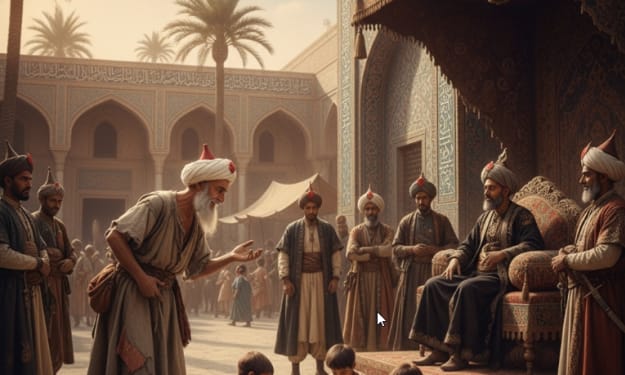
Bahlool was born in Kufa and his real name is Wahab bin Amr. Haroun Rashid feared for the safety of his Khalifate and kingdom from the 7th Imam Musa Kazim (A.S.); therefore, he tried to destroy the Imam. Haroun thought of a trick by which he could kill the Holy Imam.
By Amir Husenabout a year ago in Motivation
Mind in Control
Mind control is not about controlling others. It is about learning to manage your own thoughts, emotions, and actions in a way that supports your goals and well-being. Every day, our minds are filled with thousands of ideas, worries, and distractions.
By Azmatabout a year ago in Motivation
The Italian art of human connection: Why Starbucks' “back to basics” strategy is pure Italian wisdom
When Starbucks CEO Brian Niccol launched the company's "Back to Starbucks" initiative in September 2024, he wasn't just addressing declining sales, he was tapping into what Italians have always known about authentic human connection. The plan focuses on transforming Starbucks locations back into true "third places" where genuine human interaction trumps business efficiency. This isn't innovative American corporate strategy, it's centuries-old Italian hospitality wisdom finally being brought back to market by global business leaders.
By Andrea Zanonabout a year ago in Motivation
Paychecks from Chatbots
The journey of earning with ChatGPT The world is always moving forward with new inventions and technology. A few years ago, it was hard to even think that a robot or software could talk like a human, answer questions, and even write an entire article. But today, all this is a reality. Artificial intelligence-based tools like ChatGPT are not only making people’s lives easier, but are also opening new doors of employment.
By Echoes of Lifeabout a year ago in Motivation
AI Gold Rush: Turning Algorithms into Revenue
A new era of earning through AI The world is changing rapidly. Where once employment meant going to the office, working from nine to five, and waiting for a paycheck, now a new revolution has arrived. This revolution is that of Artificial Intelligence, which has not only changed technology but also given a new direction to employment and earning methods.
By Echoes of Lifeabout a year ago in Motivation