social media
Motivation in the modern age of social media; keep your social media feed positive by following inspirational influencers.
"I Quit My Job with $500 in the Bank — What Happened Next Changed Everything"
I stared at the “Send” button on my resignation email for nearly ten minutes. My hands trembled slightly, heart pounding like a drum in my chest. There were only two things I was certain of: I hated my job, and I only had $500 to my name. Quitting a stable 9-to-5 in this economy with barely a safety net is the kind of decision people call stupid—unless it works. For me, it wasn’t about logic anymore. It was about survival—not financial, but emotional. I was 27, burnt out, and deeply unhappy. I couldn’t remember the last time I smiled and meant it. So I clicked “Send.” The moment I did, a rush of adrenaline surged through me, followed by a wave of fear. I had no backup plan, no wealthy relatives, no “passive income stream.” Just a cheap apartment, a pile of student loans, and that precious $500 in my bank account. The next morning, the reality hit harder. I woke up free—but free with zero income. My first instinct was panic, then denial, then oddly enough… calm. For the first time in years, I had no obligations, no endless emails, no fake smiles on Zoom calls. Just space. I gave myself two days to breathe. I took long walks, slept without setting alarms, journaled until my wrist ached. On day three, I made a list: skills I had, things I loved, and what I absolutely didn’t want to do anymore. Turns out, that list was more valuable than my entire resume. Here’s what I wrote: I’m good at writing. I know basic video editing. I can talk to people. I love storytelling. I don’t want to work for someone else—at least not full time. It wasn’t a business plan. But it was a start. With $500, I knew I had to stretch every dollar. I canceled every subscription. Ate nothing but rice, eggs, and frozen veggies. I sold old clothes online, made $85. Did a few dog-sitting gigs, earned another $60. That $500 became $645. Then I started writing. Blog posts, Medium articles, even ghostwriting on Fiverr. The pay was dismal at first—$10 for 1,000 words—but it was something. Every little win felt like a breakthrough. A week turned into a month. My bank balance still hovered dangerously low, but my confidence grew. I was learning how to survive without a corporate leash. I even landed a recurring gig writing social media content for a small brand—$200 a month. Not much, but it felt like striking gold. Then, something crazy happened. One night, out of pure boredom, I recorded a video titled, “I Quit My Job with $500—Here’s What Happened.” I posted it on TikTok with no expectations. It blew up. Within three days, it had 200,000 views. People flooded the comments: “This is exactly how I feel!” “You’re so brave.” “Please post updates!” So I did. Every few days, I posted new videos: my progress, my failures, how I managed rent, how I dealt with anxiety. I wasn’t trying to be a guru. I was just honest. And for some reason, people resonated with that. Brands reached out. A small finance app offered me $500 to talk about budgeting. A mental health startup sent me free therapy sessions in exchange for a review. My audience grew to 30,000 followers in a month. I went from nearly broke to making over $2,000 in 45 days—not by following a blueprint, but by telling my story. But it wasn’t all glamor. There were days I questioned everything. Days when I cried after checking my account balance. Nights when I almost gave up and reopened my LinkedIn. But every time, something small reminded me why I started—an encouraging comment, a DM from someone who said I helped them take a step they were scared of. It’s been six months now. I’m not rich. I still live in the same small apartment. But I’m paying my bills through freelance writing, content creation, and consulting. I make my own schedule. I work from cafes, parks, and sometimes my bed. I’ve learned more in these months than in all my years at that corporate job. Most importantly, I’m no longer surviving—I’m living. Here’s what I’ve realized: You don’t need a million dollars to change your life. Sometimes all you need is a little courage, a bit of grit, and the willingness to jump—even if it feels like you’re leaping into the unknown. I quit my job with $500. And what happened next? I finally met the version of myself I was always meant to become.
By Nizam khanabout a year ago in Motivation
"The Spark Within"
In the heart of a remote mountain village in Afghanistan, nestled among rocky cliffs and deep green valleys, lived a quiet, curious boy named Aariz. At just sixteen, he was known not for strength or status, but for his questions. He would sit for hours beside the old mulberry tree near the mosque, staring at the stars or sketching small machines in the dust with a stick.
By Rahimullah Mohmandabout a year ago in Motivation
The Power of Starting Small: Why Tiny Steps Lead to Big Change
We tend to wait. For the right time. For the motivation. For things to feel perfect. But here’s the truth: the biggest changes in life rarely begin with perfection. They begin quietly — with a choice so small, it almost feels insignificant. Starting small isn’t just okay. It’s powerful. It’s often the only way real, lasting change happens. Let’s explore why tiny steps aren’t just enough — they’re everything. --- ### 1. Big Dreams Are Built on Tiny Actions You see the success stories: - Someone wrote a bestselling book. - Someone lost 50 pounds. - Someone built a thriving business. But what you *don’t* see is how it started: - Writing 200 words on a lunch break. - Walking for 10 minutes a day. - Selling their first product to one friend. We romanticize the result, but ignore the process. Real success is boring before it’s beautiful. It’s routine before it’s rewarding. And it always starts smaller than you'd expect. --- ### 2. Small Steps Silence Fear Big goals often bring big fear. “Start a podcast? I’m not tech-savvy.” “Go to therapy? What will people think?” “Launch a course? What if no one buys it?” But small steps? They feel safe. Just record your voice for 30 seconds. Just research one therapist near you. Just outline your course idea in a notebook. When you shrink the task, you shrink the fear. Small steps make things possible. They help you act *before* fear talks you out of it. --- ### 3. You Create Identity Through Repetition James Clear says it well in *Atomic Habits*: > “Every action you take is a vote for the type of person you want to become.” When you show up daily — even in small ways — you cast votes for your future self. Walk for five minutes? That’s a vote for “I take care of my health.” Write a page? That’s a vote for “I’m a writer.” Reach out to one person? That’s a vote for “I build relationships.” Over time, the actions build the identity — not the other way around. --- ### 4. Momentum Is Born From Motion We wait to *feel* motivated. But the truth is: motivation follows movement. Once you start, even small steps generate energy. One drawer cleaned becomes a whole room. One email sent leads to a productive day. One page read reignites your love of learning. You don’t need to feel ready. You just need to move. Tiny motion leads to progress. Progress builds confidence. Confidence fuels consistency. --- ### 5. Small Successes Build Self-Trust Most people don’t struggle because they’re incapable. They struggle because they don’t trust themselves to follow through. But when you commit to something tiny — and actually do it — you rebuild that trust. You prove: “I do what I say I will do.” Even if it’s just drinking one glass of water. Or stretching for two minutes. Or journaling a single sentence. These small wins stack. They make you reliable to *yourself* — and that’s powerful. --- ### 6. Big Change Happens Slowly, Then All At Once You won’t see transformation overnight. But one day, you’ll look up and realize: - You feel stronger. - You think clearer. - You’re showing up with more purpose. - You’re becoming someone new — someone better. It didn’t come from a huge overhaul. It came from one small step at a time, repeated with care. --- ### Final Thoughts: Begin With One Tiny Step You don’t need a grand vision or a five-year plan. You don’t need to feel inspired or confident. You just need to take that first small step. Then the next. Then the next. And slowly, quietly, without the world even noticing — you’ll create a life you’re proud of. --- **What’s one tiny thing you’re ready to start today?** Drop it in the comments — and I’ll write something just for you to keep the momentum going.
By SHADOW-WRITESabout a year ago in Motivation
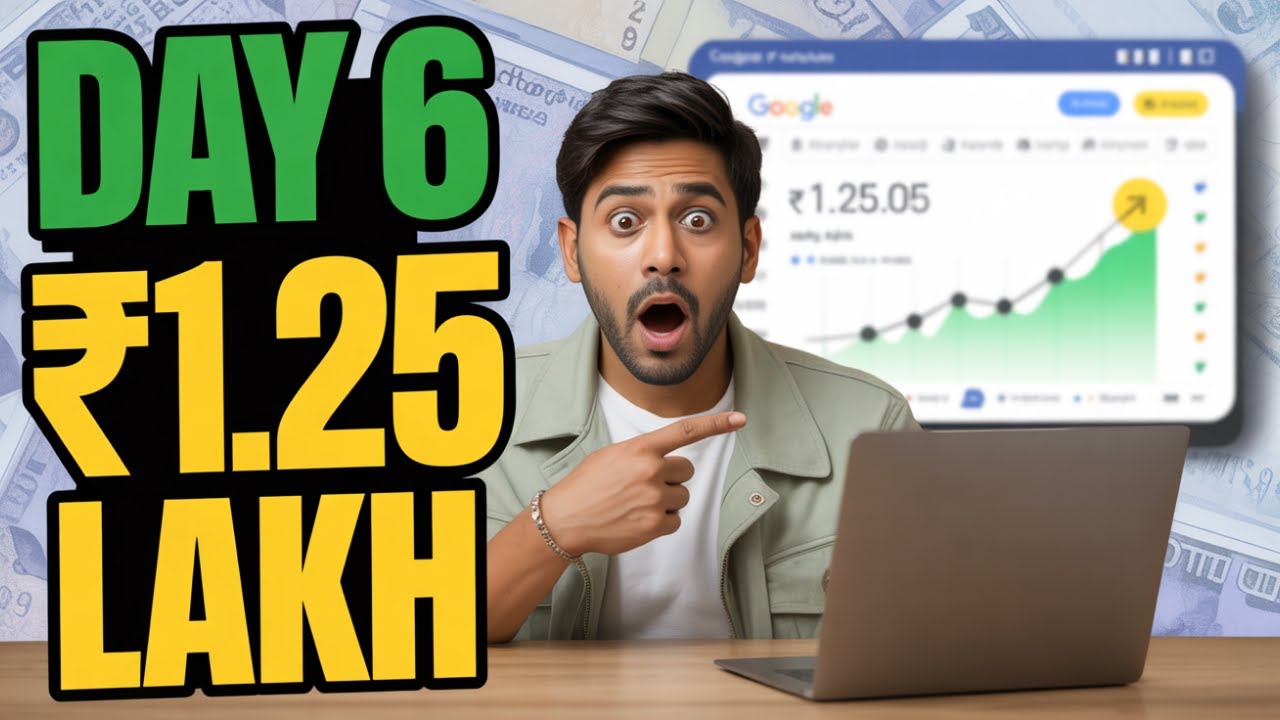
Day 6 of My ₹0 to ₹10 Lakh Challenge: ₹1,25,000 Earned — And It’s Getting Real
I’ll be honest — this post is a little late. If you’ve been following my journey, you know I’ve been sharing daily updates on my attempt to go from ₹0 to ₹10 Lakh in 90 days through Pay Per Call marketing. But today, I needed to breathe.
By Rahul Pathakabout a year ago in Motivation
The Pleasure Trap
“I can think of nothing less pleasurable than a life devoted to pleasure.” — John D. Rockefeller At first glance, this sounds like a contradiction. Isn’t life about feeling good? Isn’t the pursuit of happiness, peace, and pleasure the universal human mission?
By Randolphe Tanoguemabout a year ago in Motivation
Encouraging Quotes for Teens That Really Work
Why Encouraging Quotes Matter for Teens Teenagers often face an array of challenges that shape their personalities and influence their futures. It can be hard to stay motivated because of things like school pressure and social problems. This is where the importance of encouraging quotes for kids becomes apparent. Strong words can make kids strong, positive, and sure of themselves, which can help them face life with hope and confidence. This article has some of the most powerful quotes that can really change the life of a teen.
By Teenage Parentingabout a year ago in Motivation
How Free AI Tools Helped Me Earn as a Student
I’m a 17-year-old 12th grader, juggling PSEB exams, tuitions, and the constant pressure of pocket money. Like most students, I wanted to earn some cash without begging my parents or missing classes. That’s when I discovered free AI tools—game-changers that helped me start side hustles and earn ₹8,000 in just a few months. No coding skills, no fancy equipment, just a phone and some hustle. Here’s how I used five free AI tools to make money as a student, and how you can too!
By Robin Bhardwajabout a year ago in Motivation
The Weight of a White Coat
It’s strange how sometimes we don’t realize we’re living the most defining moments of our life until they’ve already passed. My journey into medicine wasn’t a decision I made one day with confidence or clarity. It was a whisper, a quiet calling, a series of small, painful, and often invisible choices that slowly led me here. I wasn’t born into privilege. My path to becoming a doctor was not carved by legacy or ease. It was built by perseverance, by borrowed books, and by walking long distances when I couldn’t afford a bus fare. Many of my classmates had families in medicine. They had tutors, connections, a clear direction. I had dreams, a hunger to prove myself, and the unwavering belief that I was meant to serve others in a way that would make meaning out of my own hardships. There were days in medical school when I doubted everything. I remember staring at the human anatomy textbooks late into the night, my eyes blurry with exhaustion, my stomach empty. I had nights when I slept on cold benches in the library, not because I was dedicated — but because I didn’t want to go back to a room where I couldn’t switch on the light without worrying about the electricity bill. But through it all, I never let go of my purpose. I saw students dropping out. I saw bright minds crushed under the weight of financial pressure, mental health struggles, and family expectations. I saw friends choosing other careers — safer, more lucrative, less exhausting. And I stayed. Not because I wasn’t tempted to walk away, but because something inside me wouldn’t let me. I felt chosen by this path, not in a divine way, but in a deeply personal one. The turning point in my journey wasn’t a graduation ceremony or the first time I held a scalpel. It was the moment I sat beside a patient who had no one — a man who had been admitted after a serious stroke, his speech gone, his limbs unresponsive, and no family at his side. I was still a junior doctor then, rotating through departments, overwhelmed by protocols and shift hours. But I visited him every day. Not as part of my duty, but because I couldn’t bear the thought that he might leave this world without hearing a kind word or feeling a human touch. I used to sit and talk to him — about life, about the weather, about nothing and everything. I didn’t know if he could hear me. I didn’t know if it made any difference. But I kept going. Weeks passed. And one day, he blinked. Then he moved a finger. And eventually, he smiled. That smile did something to me. It reminded me why I had suffered, why I had kept walking when everything around me told me to stop. It wasn’t about the white coat, the degree, or the prestige. It was about connection. About impact. About giving dignity to those who had been forgotten by the world. There were many more stories after that. A boy with a rare infection who only survived because I caught a small clue no one else had seen. A mother who prayed for me every day because I held her hand when the medicine didn’t work. A cancer patient who gave me a letter on the day she was discharged — a letter that simply said, “Thank you for seeing me as a person, not a case.” These were not grand victories. There were no headlines. No awards. But they were the foundation of the doctor I was becoming. And then, something happened that truly tested my spirit. It was a personal loss — a close family member. The same month I had started working full-time at a new hospital, excited and nervous to step into this new chapter. I got the call late at night. Unexpected. A sudden cardiac arrest. Gone within minutes. I was shattered. I stood in the very same emergency room I had once worked in — not as a doctor, but as someone begging for a miracle. And I understood, in that moment, what every patient’s family feels. The helplessness. The desperation. The anger. It changed me. After that, I no longer looked at patients as responsibilities. I saw each one as someone’s entire world. I understood the value of listening. The importance of compassion. The difference a single moment of humanity can make in the midst of unbearable pain. I began to approach medicine differently. Not just as a science, but as a sacred service. Years have passed since then. I’ve treated hundreds, maybe thousands. Some lived. Some didn’t. And each one left a mark on me. The journey still continues. I still face days when exhaustion hits me so hard I can barely drive home. I still face bureaucracies, broken systems, and the weight of expectations. But whenever I start to feel lost, I remember that young boy who walked to class in worn-out shoes, holding secondhand books, telling himself, "One day, I will be a doctor." He made it. Not perfectly. Not easily. But with heart, with honesty, and with a deep, enduring love for every soul he could help along the way. This journey wasn’t about becoming someone important. It was about becoming someone useful. And in that, I found my purpose.
By Doctor marwan Dorani about a year ago in Motivation
What If You Didn’t Need to Feel Better to Live Better?
Nobody needs to be taught that life is hard — we quickly learn that ourselves. But what many people have been taught — sometimes subtly, sometimes explicitly — is that life only starts after the hard parts go away. That if you’re feeling anxious, you need to fix it before you can speak up. That if you’re grieving, you have to wait until the sadness is gone before you can begin again. The implicit mental rule is this: you have to avoid feeling bad to feel good, and you need to feel good before you can do good.
By Md kamrul Islamabout a year ago in Motivation
You Won’t Believe What Happened When I Tried This for 7 Days!
We scroll past these "7-day challenges" all the time, right? Drink water for 7 days. Wake up at 5 a.m. for 7 days. Quit sugar, meditate, journal, walk 10,000 steps—for just 7 days. They all sound easy, even kind of gimmicky. So one lazy Sunday afternoon, I thought: Why not?
By Basit imran about a year ago in Motivation