happiness
Happiness, defined; things that help you find happiness, keep it, and share it with others.
The Echoes of My Year's Lessons were Found in Tarot Cards at a Karaoke Bar
2024 feels both endless and fleeting—a leap year stretched long yet passing in the blink of an eye. Like 2020, it’s been a year of ups and downs, but the overall forecast is (cautiously) optimistic.
By Karina Thyra2 years ago in Motivation
Resilience. Content Warning.
This past year opened my eyes to what I have been told I am: resilient. But, up until recently, I didn't believe it. I mean, resilience is basically being good at adapting to challenging life experiences - and change has long been a difficult situation for me, so how can I possibly be resilient?!
By Adora Hooper2 years ago in Motivation
The Last Week
A last-minute piece, but I think that I have something to say… It is the day before I fly home to see my family for the usual two-week spread in my old hometown. I am not looking forward to seeing anything related to the city (for the most part). I am much more interested in how time has changed all of us over the last time I was at home, attempting to enjoy the holidays at my least favourite time of the year. And then I remembered this challenge, right in the middle of laundry, packing and planning for the rides to the airport.
By Kendall Defoe 2 years ago in Motivation
Step Towards Better Health: Faster Walking Reduces Risk of Metabolic Diseases
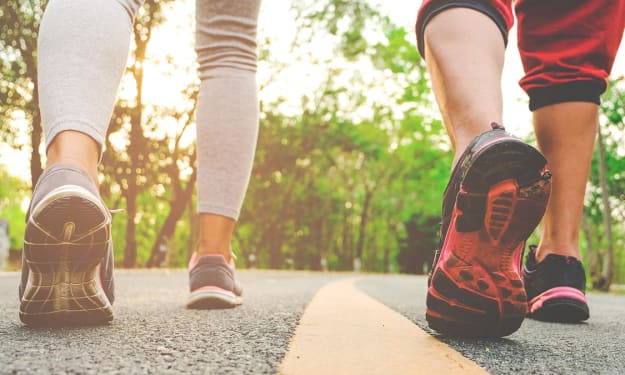
In today’s fast-paced world, health is often neglected amidst the demands of work, family, and responsibilities. Yet, a simple lifestyle change can yield profound health benefits—walking faster. A growing body of research demonstrates that brisk walking significantly reduces the risk of metabolic diseases such as diabetes, hypertension, and dyslipidemia. Faster walkers enjoy a 30% lower risk of these conditions compared to those who walk at a slower pace. Let us explore how this everyday activity can transform your health and why it is worth your time and effort. The Connection Between Walking Speed and Health Walking is one of the simplest forms of exercise, accessible to almost everyone. While many people focus on the distance covered, recent studies highlight the importance of pace. Walking faster not only burns more calories but also activates various physiological mechanisms that enhance metabolic health. Faster walking increases your heart rate, boosts circulation, and improves insulin sensitivity. These changes play a critical role in preventing metabolic disorders. Additionally, brisk walking strengthens muscles, enhances endurance, and supports mental well-being, making it a holistic exercise. Benefits of Faster Walking 1. Reduced Risk of Diabetes Type-2 diabetes is one of the most prevalent metabolic diseases worldwide. It occurs when the body becomes resistant to insulin or fails to produce enough of it. Brisk walking helps in several ways: Improved Insulin Sensitivity: Faster walking enhances the body’s ability to use insulin effectively, reducing blood sugar levels. Weight Management: Regular brisk walking aids in weight loss and prevents obesity, a major risk factor for diabetes. Enhanced Muscle Activity: Walking faster engages more muscles, which use glucose as energy, thereby lowering blood sugar levels naturally. 2. Control Over Hypertension (High Blood Pressure) Hypertension is a silent killer that affects millions globally. A sedentary lifestyle often worsens this condition. Brisk walking helps: Strengthen the Heart: Faster walking improves cardiovascular health, enabling the heart to pump blood more efficiently. Regulate Blood Pressure: It lowers systolic and diastolic blood pressure, reducing strain on the arteries. Reduce Stress: Walking releases endorphins, the body’s natural stress-relievers, which help in controlling stress-induced hypertension. 3. Better Cholesterol Management High levels of bad cholesterol (LDL) and low levels of good cholesterol (HDL) lead to dyslipidemia, a condition that increases the risk of heart diseases. Brisk walking plays a vital role in balancing these levels: Boosts HDL Levels: Good cholesterol levels rise with regular brisk walking, protecting the heart. Reduces LDL Levels: Faster walking helps break down fatty deposits in the blood vessels, lowering bad cholesterol. Enhances Fat Metabolism: It promotes the utilization of fat as energy, preventing lipid accumulation. The Science Behind Faster Walking Walking faster demands more energy, which accelerates your metabolism. As your pace increases, your body burns more calories, improves oxygen delivery, and enhances the efficiency of your cardiovascular system. Brisk walking also triggers the release of beneficial hormones, such as endorphins and serotonin, which uplift your mood and reduce stress. Research shows that individuals who walk at a speed of 4-5 miles per hour (approximately 6-8 kilometers per hour) reap the maximum benefits. This pace ensures that the body enters a moderate-intensity workout zone, which is highly effective for preventing and managing chronic diseases. Practical Tips to Walk Faster 1. Start Gradually: If you’re new to brisk walking, begin by walking at a comfortable pace and gradually increase your speed. 2. Set a Routine: Aim for 30-60 minutes of brisk walking daily. Consistency is key to achieving long-term benefits. 3. Focus on Posture: Keep your back straight, shoulders relaxed, and arms swinging naturally. Proper posture enhances efficiency. 4. Choose the Right Shoes: Wear comfortable walking shoes with good cushioning and arch support. 5. Incorporate Intervals: Alternate between brisk walking and moderate-paced walking to build stamina. 6. Track Your Progress: Use a pedometer or fitness app to monitor your speed, distance, and calorie burn. Walking Faster vs. Other Exercises While high-intensity workouts like running or cycling offer significant benefits, not everyone can sustain them due to age, physical limitations, or time constraints. Walking faster bridges this gap by providing a low-impact, sustainable form of exercise that suits people of all fitness levels. Compared to running, brisk walking reduces the risk of joint injuries and is easier on the knees. It also allows for multitasking, such as listening to music, podcasts, or even walking meetings, making it an efficient and enjoyable activity. Real-Life Success Stories Story 1: Overcoming Diabetes Through Walking Ramesh, a 45-year-old IT professional, was diagnosed with prediabetes due to his sedentary lifestyle. After incorporating 45 minutes of brisk walking into his daily routine, he not only reversed his condition but also lost 10 kilograms in six months. Story 2: Managing Hypertension Naturally Anita, a 55-year-old homemaker, struggled with hypertension for years. Regular brisk walking helped her lower her blood pressure without relying heavily on medication, improving her overall quality of life. Story 3: Achieving Balanced Cholesterol John, a 60-year-old retiree, was advised to walk faster to manage his high cholesterol levels. Within a year, his HDL levels increased significantly, and he reported feeling more energetic. Expert Opinions Doctors and fitness experts unanimously endorse brisk walking as a simple yet effective way to prevent and manage chronic illnesses. According to Dr. Rajesh Malhotra, a cardiologist, "Walking faster is one of the most underrated forms of exercise. It is cost-effective, accessible, and offers immense benefits for cardiovascular and metabolic health." Fitness coach Meera Sharma adds, "The beauty of brisk walking is that anyone can do it, regardless of their fitness level. The key is to maintain consistency and challenge yourself gradually." Common Myths About Walking 1. Myth: Walking is not as effective as running. Fact: While running burns more calories in a shorter time, brisk walking provides similar benefits when done consistently over longer durations. 2. Myth: Only long distances matter. Fact: The pace of walking is equally important. A shorter, brisk walk can be more beneficial than a longer, slow walk. 3. Myth: Walking doesn’t help with weight loss. Fact: Brisk walking burns calories and boosts metabolism, making it an excellent tool for weight management. Conclusion Walking faster is a simple yet powerful way to improve your overall health. By adopting a brisk pace, you can significantly reduce your risk of metabolic diseases like diabetes, hypertension, and dyslipidemia. The best part? You don’t need fancy equipment or a gym membership—just a pair of comfortable shoes and the willingness to take that first step. So, why wait? Start your journey towards better health today. Walk faster, live longer, and enjoy a healthier, happier life! Your path to wellness is just a brisk step away!
By Deepak Kumar2 years ago in Motivation
Not Every Story of Weight Loss Is Successful
I have been fighting with my weight for so long that I don’t remember a period when it wasn’t a problem. It began back in elementary school when I was still blissfully unaware about beauty and appeal being tied to appearances.
By Peter Marcus2 years ago in Motivation
Kegel Exercises: Improve Incontinence, Boost Sexual Health
Introduction Kegel exercises are a series of exercises designed to strengthen the pelvic floor muscles. These muscles form a sling-like support system for your pelvic organs, including your bladder, bowel, and uterus. Weak pelvic floor muscles can lead to various issues such as urinary incontinence, fecal incontinence, and sexual dysfunction. By regularly performing Kegel exercises, you can significantly improve your pelvic floor health and overall quality of life.
By chekawi graphics2 years ago in Motivation
Reflections Beyond the Mirror"
In a quiet, windswept town nestled between rolling hills and mist-covered valleys, lived a young woman named Eliza. Her days were simple—working at the local library, tending to her small garden, and dreaming of worlds beyond her own. Yet, what made her unique was not her lifestyle, but her fascination with mirrors.
By Ahmed raza2 years ago in Motivation
Echoes of the Year’s Lessons
The past year unfolded like an unpredictable novel—filled with unexpected twists, overwhelming challenges, and quiet moments of realization. As I sit to reflect on 2024, one story stands out—a lesson that reshaped my perspective and redefined what resilience truly means.
By Anthony Scott2 years ago in Motivation
Jace’s Tips for Turning Conflict Into Connection
Jace leaned back in his chair, reflecting on the heated argument he’d had with his best friend, Ryan, a few months ago. They had been friends since middle school, inseparable through every life milestone. But one miscommunication had almost torn them apart.
By MIGrowth2 years ago in Motivation