book review
Book reviews for the self-help enthusiast to help you conquer obstacles and achieve goals.
Unshakable Spirit: How to Turn Life’s Storms into Your Strongest Source of Power. Content Warning. AI-Generated.
Introduction: The Fire That Never Dies Every human being faces storms—some are sudden, violent, and unpredictable, while others build slowly like thunderheads on the horizon. No matter where you are in the world, life will test your spirit with rejection, failure, heartbreak, uncertainty, and loss. Yet across history, we see that the people who leave the deepest marks on this planet are not those who avoided storms, but those who learned to dance with thunder and rebuild after destruction.
By Chilam Wongabout a year ago in Motivation
A Fully Figured Woman: Owning Her Power
Society has always tried to define beauty in narrow, unforgiving ways. We are told that only certain body types deserve admiration, that curves must be hidden, that fullness is a flaw. But there is a power in being fully figured—a power that goes beyond appearance, beyond the mirror, and into the heart of confidence.
By Nonhlanhla Emogene Mbokaneabout a year ago in Motivation
The Fire Within: How to Turn Struggles Into Strength and Dreams Into Reality. Content Warning. AI-Generated.
Introduction: The Hidden Flame in Every Human Life is not a straight line, nor is it a simple equation that guarantees success if you follow the formula. It is messy, unpredictable, and sometimes cruel. But hidden within the chaos is a flame—an inner fire—that, once ignited, can turn even the darkest night into dawn. This fire is resilience, courage, and unshakable hope.
By Chilam Wongabout a year ago in Motivation
A Day in 2035: Living With AI. AI-Generated.
The year is 2035, and the world looks both familiar and completely different. Technology has moved so fast that sometimes it feels like we are living in a science fiction movie. But for people born after 2010, this is just normal life. This is the story of Ayesha, a 28-year-old living in Dubai, who wakes up one morning in a world powered almost entirely by artificial intelligence. The Morning Routine At exactly 7:00 a.m., her smart home lights adjust automatically, simulating sunrise. The air conditioner turns off because the AI predicts the temperature will stay mild until noon. Ayesha doesn’t set alarms anymore—her AI assistant studies her sleep cycle and decides the best time to wake her up. Her breakfast is already on the table. The fridge AI noticed she was running low on eggs yesterday and ordered groceries overnight. A soft voice greets her: “Good morning, Ayesha. You have two meetings today. I’ve rescheduled your dentist appointment because your work call will run late.” Life has never been this smooth. But as she sips her coffee, Ayesha wonders—does she really make decisions anymore, or is the AI making them for her The Workplace of the Future At work, Ayesha logs into her company dashboard. She doesn’t type reports anymore; she speaks her thoughts, and an AI instantly converts them into polished documents. In meetings, half the participants are humans and half are AI avatars trained to negotiate, brainstorm, and even crack jokes. It feels efficient, but also strange. One of her colleagues was laid off last month because an AI system now manages client relations. Everyone whispers about who might be next. Ayesha loves the speed and accuracy of her tools, but she can’t ignore the quiet fear that maybe her own job could disappear within a year or two. Her boss insists that humans will always be needed for “creativity and emotional intelligence.” Still, Ayesha isn’t so sure. When AI can already design ads, write scripts, and analyze data faster than any person, what really makes her irreplaceable? The City Around Her Dubai in 2035 is run almost like a machine. Self-driving taxis glide through the streets. Delivery drones fill the sky like flocks of birds. Even the police use predictive AI to identify neighborhoods at risk of crime. It feels safe, clean, and organized. But there are stories on the news that make Ayesha uneasy: one small glitch in a hospital AI system last month misdiagnosed hundreds of patients. Another report claimed a military drone in another country attacked the wrong target after its algorithm misread data. The city feels perfect on the surface—but cracks are beginning to show. The Human Side of AI In the evening, Ayesha visits her grandmother. Unlike her, her grandmother refuses to use AI. She still cooks her own meals, keeps paper books, and prefers human doctors. “Machines don’t have feelings,” her grandmother says. “They can think fast, but they don’t care about you.” Ayesha realizes this is true. Her AI can predict her mood but cannot comfort her when she feels lonely. Her grandmother’s simple hug means more than all the machines in the world. Later that night, she scrolls through her AI-curated news feed. Every story feels tailored to her tastes. She suddenly wonders: if AI decides what she reads, what she eats, when she wakes up, and even how she works—then how much of her life is truly hers? A Future We Must Shape As the sun sets, Ayesha looks out at the glittering skyline. She is proud of how far humanity has come but also worried about the price of convenience. Will people in 2035 be freer than ever, or more controlled than they realize? The future with AI is both exciting and frightening. It can heal, protect, and improve lives, but it can also make us dependent and vulnerable. Just like Ayesha, we all must learn to balance progress with humanity. And for us living in 2025, this story is more than just imagination—it is a warning and a possibility. The choices we make today about ethics, education, and responsibility will decide whether 2035 becomes a story of human progress or a cautionary tale. The future is not written yet, and that gives us the power to shape it.
By Future Tradingabout a year ago in Motivation
The Phoenix Within: How to Rise Stronger from Life’s Struggles. Content Warning. AI-Generated.
Introduction: Why We Need Stories of Strength Life, at its very essence, is a series of rising and falling. Every human being, no matter how privileged or ordinary, walks through valleys of despair and climbs mountains of hope. We celebrate our victories with joy, but the true shaping of character comes not in times of ease, but in moments when the world seems to collapse around us.
By Chilam Wongabout a year ago in Motivation
The Unshakable Spirit: How Perseverance, Courage, and Hope Transform Ordinary Lives into Extraordinary Journeys. Content Warning. AI-Generated.
Introduction: Why We Admire the Fighters, Not the Lucky Ones When we look back at the greatest stories in history—whether they are tales of explorers, inventors, artists, or everyday heroes—one common theme emerges: it was never an easy road. We admire them not because life handed them fortune, but because they struggled, stumbled, and stood up again.
By Chilam Wongabout a year ago in Motivation
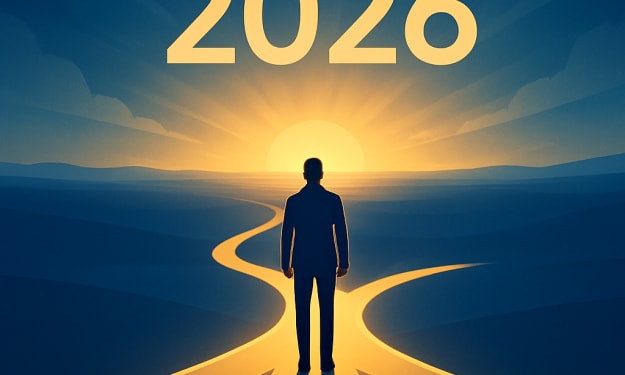
Reset 2026: Goals That Change Everything
Resetting for 2026: Why New Goals Matter Every new year feels like a fresh start, but 2026 offers more than just a calendar change — it’s a global reset. Technology, careers, and lifestyles are evolving faster than ever. If you want to thrive rather than simply survive, you need goals designed for this new era. The key is not just setting resolutions, but building clear, measurable, and adaptable strategies to achieve them.
By KAMRAN AHMADabout a year ago in Motivation
The Hidden Strength Within: Why Every Step Forward Matters More Than You Think. Content Warning. AI-Generated.
Introduction: The Quiet Battle We All Fight Life often feels like a relentless wave crashing against the shore. You work hard, give your best, and yet the results seem delayed, distant, or even invisible. Many of us, standing in moments of doubt, whisper silently: “Maybe this is not for me. Maybe I should give up.”
By Chilam Wongabout a year ago in Motivation
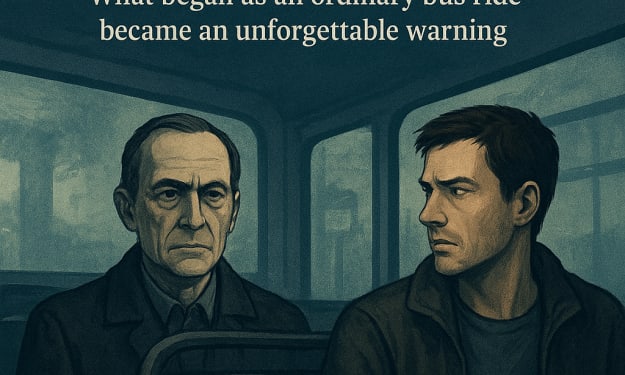
The Stranger Who Sat Next to Me on the Bus Changed My Life Forever. AI-Generated.
The Stranger Who Sat Next to Me on the Bus Changed My Life Forever I almost didn’t take that bus. The day was heavy with rain, and so was I—with debt, disappointment, and a dull ache in my chest that no doctor could name. The world had begun to feel like a crowded corridor with no doors, no windows, and no exit. I boarded simply because standing in the downpour seemed even more humiliating than moving forward without direction.
By Ryan Kibarikiabout a year ago in Motivation
The Endless Climb: Building Resilience, Courage, and Hope in the Face of Life’s Mountains. Content Warning. AI-Generated.
Introduction: The Mountains We All Face Every human journey is marked by mountains — challenges that look impossible from the base, fears that tower over our confidence, and setbacks that make us question if the climb is even worth it. Yet, history and everyday life alike reveal a timeless truth: we are stronger than we think, braver than we believe, and more capable than we imagine.
By Chilam Wongabout a year ago in Motivation
Money Lessons They Didn’t Teach in School: What Rich Dad Poor Dad Can Teach You in 2025
Most Americans grow up learning that working hard, getting a degree, and finding a stable job is the key to success. But Robert Kiyosaki’s Rich Dad Poor Dad shows that this traditional approach can leave you financially trapped. The book isn’t just about money — it’s about mindset, choices, and building a future where your money works for you, not the other way around. In 2025, where the cost of living is rising and financial freedom feels more distant than ever, these lessons are more relevant than ever. Let’s break down the key ideas and how you can apply them today. --- The Tale of Two Dads Kiyosaki grew up with two father figures: Poor Dad – his biological father, educated and hardworking, but stuck in the rat race. Rich Dad – his friend’s father, less formally educated, but financially savvy and entrepreneurial. The contrast was shocking: the same country, same opportunities, but completely different outcomes. The lesson? Your mindset around money and wealth can shape your entire life. --- Assets vs. Liabilities: Know the Difference One of the most important lessons from the book is simple but rarely taught in schools: buy assets, not liabilities. Assets: Things that put money in your pocket (investments, rental properties, businesses). Liabilities: Things that take money out (expensive cars, gadgets, unnecessary debt). Many Americans focus on earning a salary and buying things that look rich but actually create debt. The key to financial freedom is building assets that generate passive income over time. --- Financial Education Beats Income Alone Kiyosaki emphasizes that school teaches you to earn and save, but not to invest and grow money. He calls this financial literacy — understanding how money works, taxes, interest, and investing. Even a small shift in knowledge can have massive impact: Learning about stocks and ETFs can turn $100 a month into a growing investment over years. Understanding taxes legally can save thousands annually. Starting a side hustle develops entrepreneurial skills that a job alone can’t teach. For Americans in 2025, financial education is no longer optional — it’s essential. --- Take Risks Wisely: The Rich Dad Mindset Rich Dad taught Kiyosaki to embrace calculated risks instead of avoiding them out of fear. Many people avoid investing or entrepreneurship because they think it’s “too risky,” yet staying in a comfortable job can be riskier in the long term due to inflation, stagnant wages, and lost opportunities. The rich don’t avoid risk; they manage it. They invest time in learning, analyzing, and planning before making financial moves. --- Work to Learn, Not Just to Earn Another core lesson: don’t just work for money — work to learn skills that increase your value. Poor Dad said: “Work hard, get a promotion, and save money.” Rich Dad said: “Learn accounting, investing, sales, and marketing — then make money work for you.” This is especially relevant in 2025’s gig economy. Learning diverse skills can create multiple income streams, from freelancing to starting a small business, giving you more control over your future. --- Mindset Over Money At the heart of Rich Dad Poor Dad is mindset. Many Americans think wealth comes from luck or high-paying jobs. Kiyosaki proves it comes from knowledge, courage, and action. Changing your mindset means: Believing you can grow your wealth. Seeing opportunities instead of obstacles. Understanding that money is a tool — not the goal. Small shifts in thinking create habits that can dramatically improve your financial life over years. --- Applying the Lessons Today Here’s how you can take action in 2025: 1. Track your money – know exactly where it goes each month. 2. Start a small investment – even $50–$100 a month builds over time. 3. Focus on assets – avoid unnecessary spending on things that don’t generate income. 4. Learn new skills – online courses, YouTube tutorials, and books can teach financial literacy. 5. Embrace calculated risks – start a side hustle, invest in stocks, or explore freelancing. Even small steps create momentum. Just like Kiyosaki learned from his Rich Dad, taking consistent action is what separates financial success from failure. --- Final Takeaway Rich Dad Poor Dad isn’t just a book about money. It’s a guide to thinking differently, acting differently, and creating freedom in your life. In America, where opportunities are abundant but financial traps are everywhere, adopting these principles can transform your 2025 and beyond. Your future isn’t determined by your salary or luck — it’s determined by your mindset, your habits, and the decisions you make every single day. Start small, learn continuously, invest wisely, and let your money work for you. In the end, your Rich Dad mindset can help you live a life of true freedom — and that’s a lesson worth sharing. ---
By Muhammad Riazabout a year ago in Motivation