advice
Advice that will put you on the path to success; tips, tricks and nuggets of wisdom from trusted experts and motivational mentors.
Psychologist Reveals: 3 OCD Mistakes Keeping You Stuck
With almost 2–3% of the global population affected, obsessive-compulsive disorder (OCD) affects 156– 234 million people worldwide. If you are reading this, it’s likely that either you or someone you love suffers with the demanding cycle of intrusive thoughts and compulsions.
By Sahanowaz Alam2 years ago in Motivation
Medical Emergencies
Medical Emergencies Introduction Medical emergencies are situations that require immediate medical attention to prevent severe health consequences or death. These emergencies can arise from sudden illnesses, injuries, accidents, or complications of chronic conditions. Prompt and appropriate response during a medical emergency can significantly improve outcomes.
By Oluwatosin Adesoba2 years ago in Motivation
Decision-Making Under Pressure
Decision-Making Under Pressure Introduction Decision-making under pressure is a critical skill that individuals encounter in various spheres of life, including professional environments, personal situations, and emergency contexts. The ability to make sound decisions when faced with stress or limited time can significantly impact outcomes. Effective decision-making under pressure requires a combination of cognitive skills, emotional intelligence, and strategic thinking. This document explores strategies, challenges, and techniques for making effective decisions under high-pressure situations.
By Oluwatosin Adesoba2 years ago in Motivation
Calmness Under Pressure
Calmness Under Pressure In the face of challenges and adversity, the ability to remain calm under pressure is an invaluable trait. Whether in personal life, the workplace, or high-stakes situations, maintaining composure allows for better decision-making, enhanced problem-solving, and the ability to navigate crises with clarity and confidence.
By Oluwatosin Adesoba2 years ago in Motivation
Emotional Stability
Emotional Stability: The Key to a Balanced Life Emotional stability is a fundamental aspect of mental well-being, enabling individuals to navigate life's challenges with resilience and composure. It refers to the ability to manage emotions effectively, maintain equilibrium during stressful situations, and respond to experiences with a balanced perspective. Emotionally stable individuals exhibit self-awareness, adaptability, and a sense of inner peace, contributing to their overall personal and professional success.
By Oluwatosin Adesoba2 years ago in Motivation
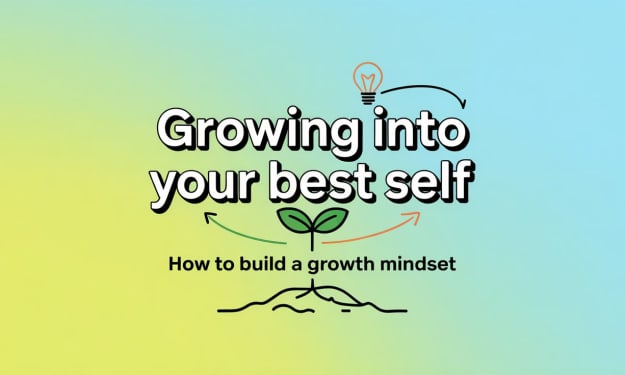
Growing Into Your Best Self: How to Build a Growth Mindset
Ever feel like you’re stuck being “you”—like your talents or brainpower are carved in stone? I’ve been there, dodging tough stuff because I didn’t want to look dumb. But what if I told you that you can change, stretch, and get better at just about anything? That’s the beauty of a growth mindset. It’s not some fluffy buzzword—it’s a way of thinking that can flip your life from “meh” to “whoa.”
By Padm R2 years ago in Motivation
The Dark Side of Motivation: When Hustle Culture Becomes Toxic
You've seen the inspirational posts: "Rise and grind!" "Sleep when you're dead!" "No days off!" Hustle culture has become the modern religion of success, preaching that non-stop work and relentless motivation are the only paths to achievement.
By Liam Osuos2 years ago in Motivation
From Procrastinator to Peak Performer: Transforming Your Daily Routine
We’ve all been there—stuck in a cycle of endless scrolling, half-finished to-do lists, and the nagging guilt of knowing we could be doing more. Procrastination isn’t just laziness; it’s a silent thief that steals your time, energy, and potential. But here’s the good news: you can break free. You can go from a chronic procrastinator to a peak performer with the right mindset and a powerful daily routine. Peak performers aren’t born—they’re built. Their success is not the result of extraordinary talent, but of ordinary habits practiced consistently. And you can create those habits too. 1. Start with Clarity One of the biggest reasons people procrastinate is because they don’t know what to do next. If your goals are vague, your actions will be too. The first step to transforming your daily routine is gaining crystal-clear clarity on what matters. Ask yourself: What are my top three priorities today? Not ten, not twenty—just three. When you focus your energy on fewer tasks, you give yourself permission to do them well. Clarity breeds confidence, and confidence kills procrastination. 2. Create a Morning Routine that Sparks Action Your morning sets the tone for your entire day. If you wake up rushing and reacting, you’re already behind. But if you start your day with purpose, you’re in control. You don’t need a two-hour routine filled with yoga, journaling, and green smoothies—unless you want that. What matters is starting with intention. Try this simple 30-minute morning ritual: 5 minutes of silence or meditation 10 minutes of movement (stretching, walking, or light exercise) 5 minutes reviewing your top three goals 10 minutes doing the hardest task first (even just a head start) That last part is critical. Tackling a hard task early gives you a sense of accomplishment that snowballs into motivation for the rest of the day. 3. Use Time Blocks Instead of To-Do Lists To-do lists feel productive, but they can be deceiving. They’re often endless, disorganized, and overwhelming. Instead, schedule your tasks into time blocks. For example: 9:00–10:30: Deep work (writing, coding, planning) 10:30–11:00: Break / Movement 11:00–12:00: Meetings or communication 1:00–3:00: Creative projects 3:00–3:30: Admin or email When you treat your time like a calendar instead of a checklist, you become more intentional and accountable. You stop wondering what should I do now? and start doing. 4. Eliminate Distractions Ruthlessly Let’s be real: procrastination often hides behind tiny distractions. A quick check of your phone turns into 45 minutes of scrolling. That one email leads you down a rabbit hole. If you want to perform at your peak, you must protect your focus. Try this: Keep your phone in another room while working Use apps like Forest or Focusmate to stay on task Turn off notifications (you won’t miss them as much as you think) Set boundaries with people around you—let them know when you’re in "focus mode" Distraction is the enemy of progress. Every time you let it win, you lose a little bit of your momentum. 5. End Your Day with Reflection and Reset The way you end your day is just as important as how you start it. Spend 10–15 minutes reviewing: What did I accomplish today? What could I have done better? What are my top priorities for tomorrow? This simple act of reflection creates self-awareness. And when you combine self-awareness with action, you get progress. Final Thoughts Becoming a peak performer isn’t about perfection—it’s about consistency. It’s about showing up, even when you don’t feel like it. It’s about designing a routine that pulls you toward your goals instead of pushing them off until "later." You don’t need to change everything overnight. Start small. Start today. With every intentional choice, you’re rewiring your habits. You’re building momentum. And before you know it, you’ll look back and realize you’ve become the kind of person you used to admire. So go ahead—transform your daily routine. The best version of you is waiting.
By Gift Abotsi 2 years ago in Motivation
Best Daily Routine For Success
By doing the same things every day, you progress toward success. A well-organized daily practice can help you be more productive, think more clearly, and be more successful in the long run. Your best daily routine will help you achieve your goals and maximize your personal and professional life.
By Bloom Boldly2 years ago in Motivation