
Shared Horizons: Uniting Personal Career Growth with Organizational Vision
Understanding the Power of Alignment

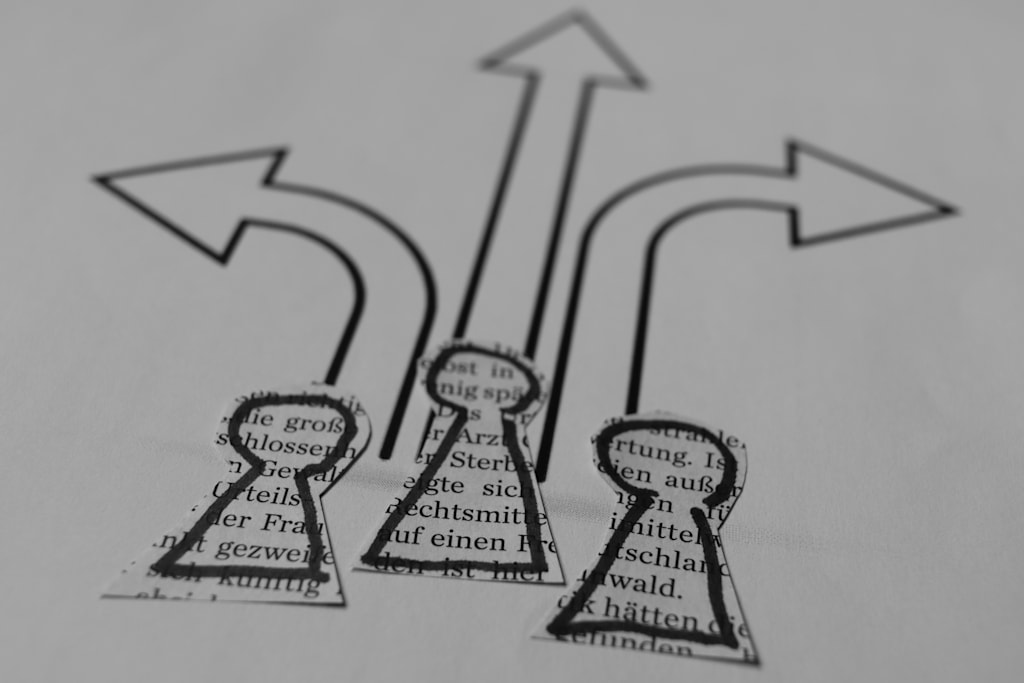
Modern workplaces thrive when employees and organizations move toward the same direction. Individual career goals often focus on growth, learning, and achievement, while organizations prioritize performance, innovation, and sustainability. When these two paths align, they reinforce each other and create stronger outcomes. As a result, alignment becomes a foundation for long-term success.
Moreover, this alignment builds meaning in everyday work. Employees no longer see tasks as isolated duties. Instead, they understand how their efforts contribute to broader goals. Therefore, motivation grows naturally, and engagement becomes more consistent across teams.
Establishing a Clear Organizational Vision
Organizations must first define where they are going if they expect alignment. Leaders must communicate goals clearly and consistently. When employees understand the company’s direction, they can make better decisions in their roles.
In addition, clarity reduces confusion and uncertainty. Employees feel more confident when expectations remain clear. Consequently, they can focus their energy on meaningful contributions rather than guessing priorities. This clarity strengthens both performance and trust within the workplace.
Encouraging Personal Career Awareness
Employees must also take responsibility for their own growth. They need to reflect on their skills, interests, and long-term aspirations. By doing so, they gain direction and purpose in their professional journey.
Furthermore, awareness helps employees connect their ambitions with real opportunities. When individuals understand their strengths, they can position themselves more effectively within the organization. As a result, they create a stronger link between personal success and company goals.
Building Strong Communication Channels
Communication plays a central role in aligning goals. Managers must engage regularly with employees to discuss progress, expectations, and opportunities. These conversations ensure that both sides remain on the same path.
At the same time, employees should feel comfortable expressing their goals and concerns. Open communication creates transparency and trust. Therefore, both individuals and organizations can adjust their actions to maintain alignment and improve outcomes.
Supporting Continuous Learning and Development
Growth depends heavily on learning, both for employees and organizations. Companies should invest in training programs that enhance skills and knowledge. When employees grow, they contribute more effectively to organizational success.
Likewise, employees must take initiative in their own development. They should seek learning experiences that align with their career goals. By doing this, they strengthen their abilities and expand their opportunities. Consequently, continuous learning becomes a bridge between personal ambition and organizational direction.
Aligning Performance with Purpose
Performance management systems help connect individual efforts with organizational goals. When companies set clear expectations, employees understand how their work is evaluated. This clarity helps them focus on what truly matters.
In addition, regular feedback strengthens this alignment. Managers can guide employees toward better performance while reinforcing company priorities. As a result, employees stay focused, and organizations achieve more consistent outcomes.
Adapting to Evolving Business Needs
Organizations constantly change due to market trends, competition, and innovation. Employees must remain flexible to stay aligned with these shifts. When individuals adapt quickly, they maintain relevance and value within the company.
Similarly, organizations must support employees during change. Clear communication and guidance help reduce uncertainty. Therefore, adaptability becomes a shared responsibility that strengthens alignment even in dynamic environments.
Creating a Culture of Recognition
Recognition plays an important role in reinforcing aligned behavior. When organizations acknowledge employees who contribute to shared goals, they encourage similar efforts from others. This creates a positive cycle of motivation and performance.
Moreover, recognition builds emotional connection. Employees feel valued when their efforts are appreciated. As a result, they remain committed to both their personal growth and organizational success. This sense of belonging strengthens workplace culture over time.
Strengthening Leadership Influence
Leaders play a critical role in maintaining alignment between individual and organizational goals. They must clearly connect daily tasks to the company's broader vision. When leaders communicate this connection effectively, employees gain a stronger sense of purpose.
In addition, leaders must support development and encourage collaboration. They guide employees through challenges while helping them stay focused on long-term objectives. Consequently, leadership becomes the driving force behind sustained alignment.
Encouraging Collaboration Across Teams
Collaboration enhances alignment by bringing different perspectives together. When employees work across teams, they gain a better understanding of organizational goals. This shared understanding strengthens cooperation and reduces silos.
Furthermore, collaboration helps individuals see how their work connects to others. As a result, employees develop a broader view of the organization. This perspective improves decision-making and strengthens overall performance.
Balancing Personal and Organizational Growth
True success occurs when personal ambition and organizational direction support each other. Employees advance their careers while contributing to the company's success. This balance creates a healthy and productive work environment.
At the same time, organizations benefit from motivated and skilled employees. When individuals grow, the organization grows with them. Therefore, alignment becomes a continuous cycle of mutual benefit and progress.
Moving Toward a Shared Future
The future of work depends on strong alignment between individual goals and organizational vision. As workplaces become more dynamic, this connection becomes even more important. Companies must continue to evolve their strategies to support employee growth.
Alignment requires effort from both sides. Employees must take ownership of their careers, and organizations must provide clear direction and support. When both work together, they create a shared horizon of growth, purpose, and long-term success.
About the Creator
Lee Generous
Lee Generous, founder of Generous Wealth Management, is a ChFC, EA, and Dope CFO Advisor specializing in tax, investment, and wealth planning.
Portfolio: https://leegenerous.com
Portfolio 2: https://leemichaelgenerous.com
Enjoyed the story? Support the Creator.
Subscribe for free to receive all their stories in your feed.
Comments