
Selena Deshazor: Your Story Is Not Over, Even When Life Doesn’t Go According to Plan
Inspirational Women

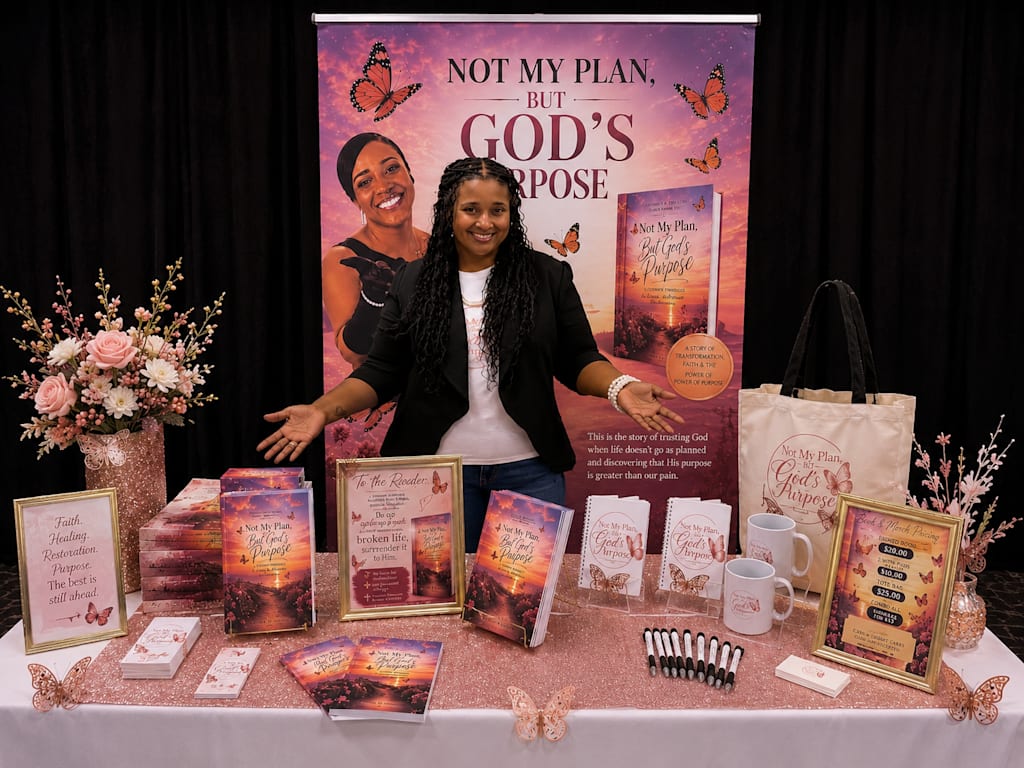
Sometimes the life we planned is not the life we end up living. But that does not mean the story is over.
There are seasons that can leave us questioning everything we thought we knew about our lives. The loss of someone we love. A career change. A dream that did not happen. A door that closed when we were certain it was supposed to open. Moments when we find ourselves asking, “God, what are You doing? This was not my plan.”
For Selena Deshazor, those questions became part of a deeply personal journey of loss, healing, faith, leadership, and discovering purpose in places she never expected to find it.
A published author, inspirational storyteller, accomplished healthcare and behavioral health leader, and woman of faith, Selena is the author of Not My Plan, But God’s Purpose: A Journey Through Loss, Healing, and Restoration. Her memoir is more than a collection of difficult experiences. It is an honest testimony of what can happen when we begin to see our lives through a different lens and realize that an unexpected chapter can still hold meaning.
While pursuing her MBA, Selena experienced the devastating loss of both her mother and father within two years of each other. Yet even while carrying grief, she continued moving forward, building an accomplished career spanning more than 15 years in healthcare and behavioral health leadership and earning multiple degrees along the way.
Her story reminds us that strength does not always look like having all the answers. Sometimes strength is simply choosing to take another step.
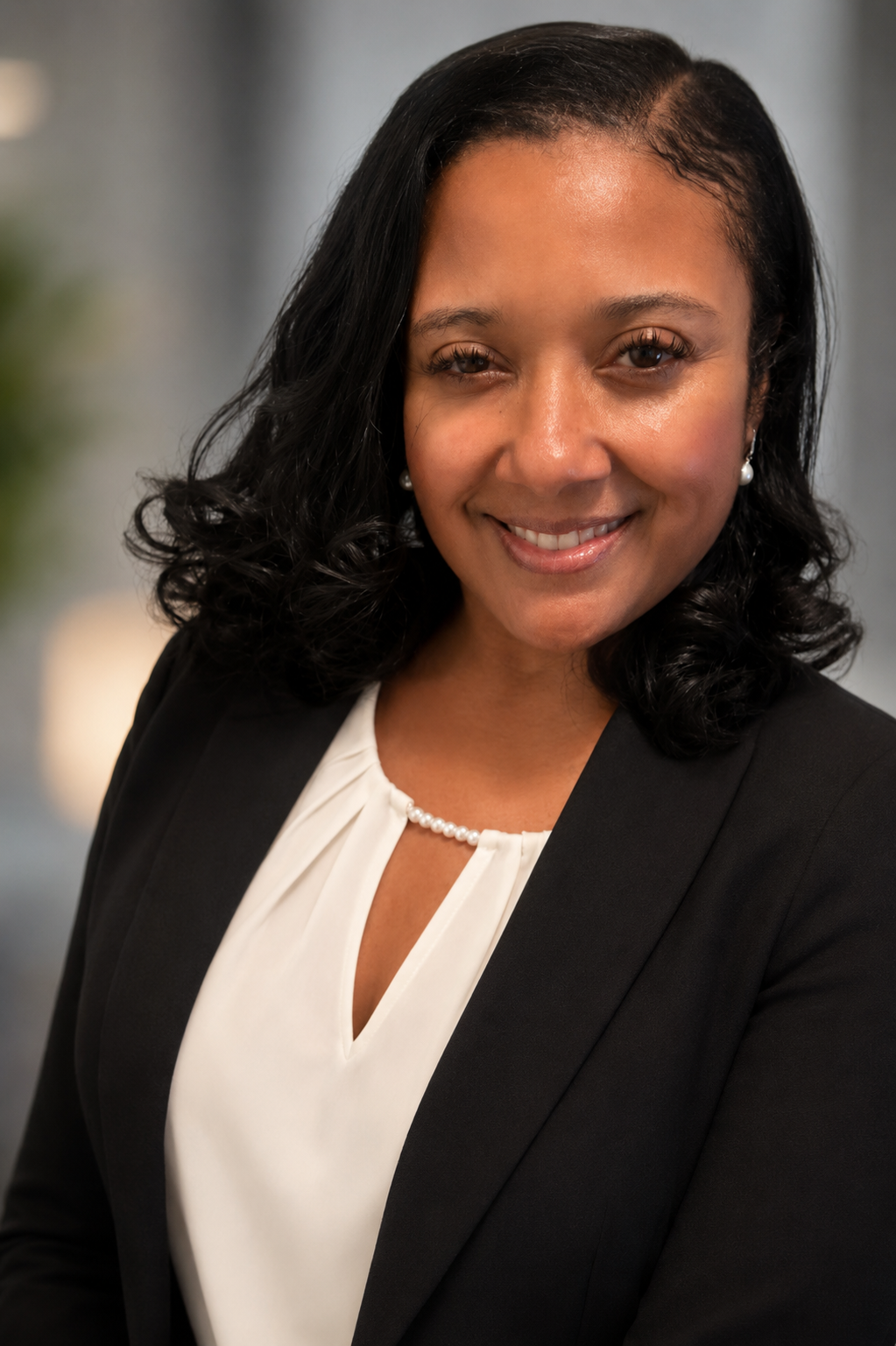
Your memoir Not My Plan, But God’s Purpose which immediately speaks to the tension between the life we envision and the life we actually experience. When did you realize that what felt like a disruption to your plans might actually be God redirecting you toward a greater purpose?
Selena: I think I began to realize it when I looked back at everything I had been through and saw that the disruptions weren’t random — they were changing me.
For a long time, I thought I knew what my life was supposed to look like. I had worked hard for my career, earned my degrees, built my professional identity, and had plans for where I wanted my life to go. But life didn’t always cooperate with those plans.
Losing my mother and father within two years of each other while I was pursuing my MBA was one of the first experiences that really challenged me. I had to keep moving forward while carrying a grief that I couldn’t simply put aside. Then came other unexpected changes and disappointments that made me question, “God, what are You doing? This wasn’t my plan.”
It wasn’t until I began looking at my experiences differently that I started to understand that maybe God wasn’t taking me away from my purpose maybe He was redirecting me toward it.
Writing Not My Plan, But God’s Purpose became part of that realization. I was taking experiences that I once considered painful or unfair and using them to encourage someone else. What I thought was simply something I had survived became something I could use to serve.
I don’t believe every painful thing that happens to us is something God caused. But I do believe He can take what we didn’t plan, what we didn’t understand, and even what hurt us, and use it for something greater.
That’s where the title came from. It wasn’t my plan — but I began to realize it could still be part of God’s purpose.
And honestly, I’m still learning that lesson. My story isn’t finished, and neither is God’s work in my life.
You openly write and speak about loss, grief, career transitions, identity, healing, and restoration. What was the most difficult part of telling your story publicly, and was there a particular moment when you realized, “I’m not just healing from this — I’m going to use this to help someone else heal”?
Selena: The most difficult part of telling my story publicly was being willing to be vulnerable about the parts of my life that I had spent years learning how to carry privately.
It is one thing to experience grief, loss, career changes, disappointment, and identity struggles. It is another thing to put those experiences on paper and allow other people to read them. I had to be honest about moments when I didn’t have the answers, when I questioned God, when I was hurting, and when I didn’t know what the next chapter of my life would look like.
Losing my mother and father within two years of each other while I was pursuing my MBA was something I carried very deeply. I learned how to keep functioning, keep working, keep going to school, and keep smiling even when I was grieving. For a long time, I thought strength meant simply pushing through.
But eventually I realized that my story didn’t have to remain something I survived in silence.
There was a moment when I understood that the things I had been through could become a source of encouragement for someone else. I thought about the woman who might be sitting at home after losing a job, grieving someone she loves, questioning her identity, or wondering why her life didn’t turn out the way she planned. I realized she might need to hear from someone who could honestly say, “I’ve been there. I know what it feels like. And you can get through this.”
That changed everything for me.
Writing Not My Plan, But God’s Purpose became more than writing a memoir. It became an act of obedience and vulnerability. I wasn’t writing because I had everything figured out. I was writing because I knew someone else might need the reminder that their circumstances don’t have to be the end of their story.
My healing became more meaningful when I realized it could become hope for someone else.
You have built an impressive career spanning more than 15 years in healthcare and behavioral health leadership, while also pursuing multiple degrees and becoming an author. How have your professional experiences shaped the way you understand resilience, leadership, and the human stories behind the people and communities you serve?
Selena: Throughout my career, I’ve had the opportunity to lead teams, navigate difficult situations, work through change, and serve people who were often dealing with circumstances that others couldn’t see. Those experiences taught me that everyone has a story behind the person who walks through the door or shows up to work each day.
That has changed the way I lead. I try to lead with accountability, but also with compassion. I’ve learned that you can hold people to high standards while still understanding that they may be dealing with something personally that has nothing to do with their performance. Sometimes the person who seems frustrated, disengaged, or difficult is simply a person who is overwhelmed, hurting, or trying to figure out how to keep going.
My own life has also shaped the way I understand resilience. I’ve experienced significant loss, including losing both of my parents within two years while I was pursuing my MBA. I know what it feels like to have responsibilities that don’t stop simply because you’re hurting. You still have to show up, make decisions, meet deadlines, and keep moving forward.
That experience gave me an even deeper appreciation for the people I serve and the teams I lead. Resilience doesn’t always look like strength from the outside. Sometimes resilience is quietly getting up, doing what needs to be done, and taking the next step even when you don’t feel ready.
My professional journey and my personal journey have ultimately taught me the same lesson: people need to be seen as whole human beings, not just as employees, patients, leaders, numbers, or titles.
That’s the kind of leader I strive to be — and it’s also the perspective I carried with me when I became an author. My career taught me how to lead people, but my life experiences taught me how to truly see them.
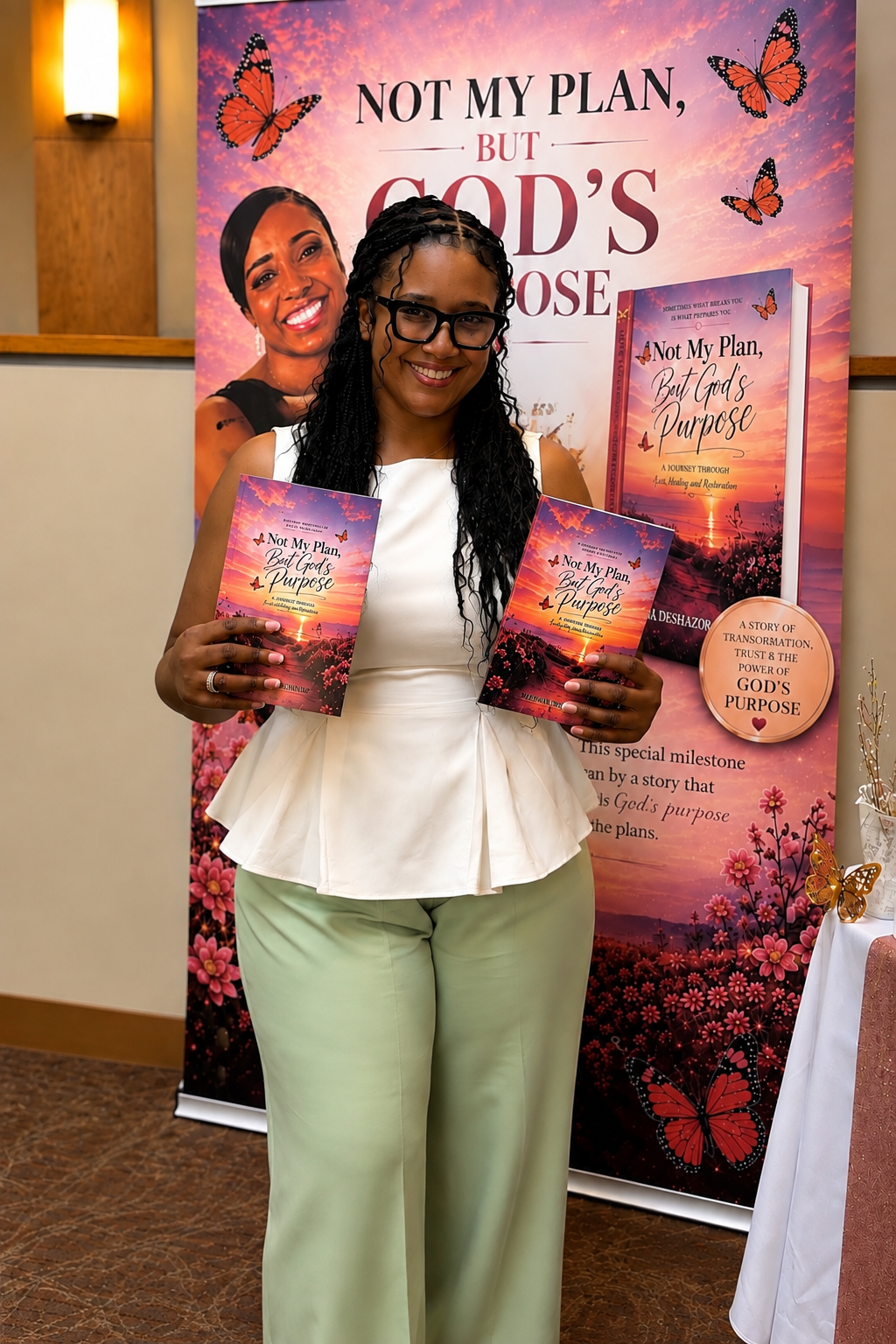
One of the most powerful themes in your message is surrender — surrendering pain, disappointment, broken places, and even plans to God. For someone who may be struggling to let go of what they thought their life was supposed to look like, what does true surrender look like in real life not just spiritually, but emotionally and practically?
Selena: Sometimes surrender looks like crying and admitting, “God, I don’t understand this, and honestly, I don’t like it.” It means allowing yourself to grieve the job you lost, the relationship that ended, the person you lost, the opportunity that didn’t work out, or the version of your life you thought you were going to have.
Emotionally, surrender means giving yourself permission to feel without allowing those feelings to become your identity. You can be disappointed without believing you are a disappointment. You can grieve without believing your life is over. You can be afraid and still take the next step.
Practically, surrender means doing what is within your control while releasing what isn’t. Pray, but also apply for the job. Grieve, but allow yourself to heal. Set boundaries. Have the difficult conversation. Ask for help. Take the next opportunity. Sometimes trusting God requires us to move our feet while we’re still waiting for clarity.
I’ve had to learn this personally. There have been moments when I had a very clear picture of how I thought my life was supposed to unfold, only to watch those plans change. I had to learn that surrender isn’t giving up — it’s giving God permission to write a story I couldn’t have written for myself.
And that’s where Not My Plan, But God’s Purpose comes from.
True surrender is being able to say, “This isn’t what I planned. This isn’t what I wanted. But I trust You enough to believe that this isn’t the end.”
Your message, “Your story is not over,” can mean something different to everyone. When you think about the woman who is reading your book in the middle of her own difficult or unexpected season, what do you hope she understands about herself, her future, and what may still be possible for her?
Selena: I want the woman reading my book in the middle of her difficult season to understand one thing above everything else: what you are going through is not the whole story of who you are.
You may be hurting right now. You may have lost a relationship, a job, a loved one, a dream, or even the version of yourself you used to know. You may be looking around at your life wondering, “How did I get here?” I understand that feeling because I’ve had moments when I had that same question.
But I want her to know that she is not broken beyond repair. She is not behind. She is not forgotten. And she has not missed her entire purpose because life didn’t happen according to her plans.
I want her to give herself permission to grieve what she lost while still believing there is something ahead of her worth living for. Healing doesn’t mean forgetting what happened. It means learning that what happened doesn’t get to determine everything that happens next.
I also want her to understand that she doesn’t have to know the entire path. Sometimes all you can see is the next step — and that’s enough. Take that step. Pray. Cry if you need to. Ask for help. Rest. Start again. And when you fall, give yourself permission to get back up.
There is still possibility in her.
There may be a new dream she hasn’t discovered yet, a new relationship, a new career, a new ministry, a new business, a new chapter, or simply a healthier version of herself waiting on the other side of what she’s experiencing now.
Most importantly, I want her to know that God can still write a beautiful story with the pages she thought were ruined.
If my book does nothing else, I want her to close it and say, “Maybe my story isn’t over after all.”
Because it isn’t.
Her story is not over. Neither is mine.
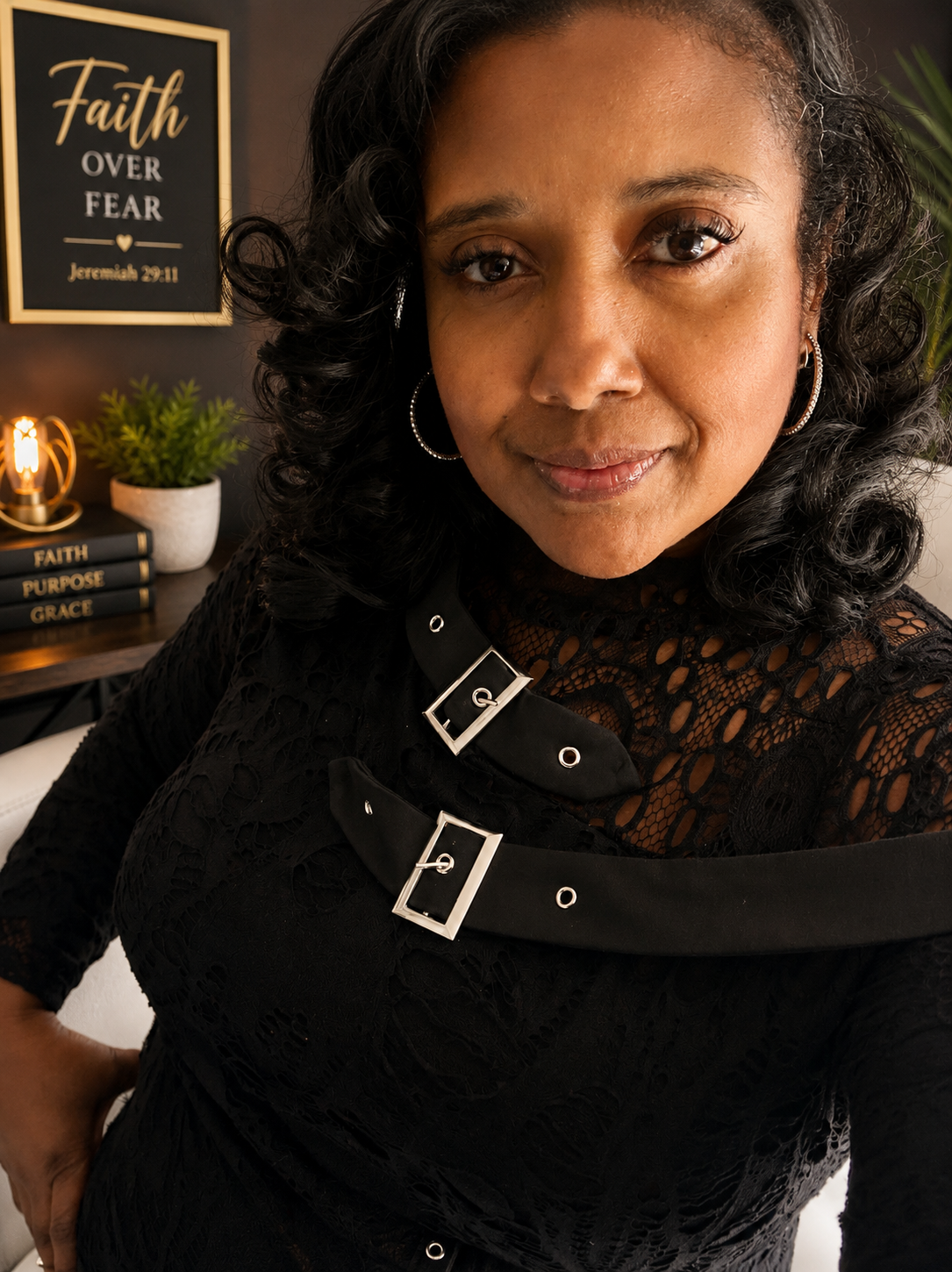
How has difficult seasons changed the woman you are today, and what would you say to someone who currently feels like their setback has erased everything they have worked so hard to become?
Selena: Difficult seasons have changed me in ways that success never could. They have made me more compassionate, more self-aware, and more intentional about who I am and what truly matters to me.
I’ve learned that life can change in a moment. You can spend years building a career, earning degrees, creating a certain identity for yourself, and believing you know where your life is headed — and then something happens that makes you question everything.
I know what that feels like. I’ve experienced significant loss, including losing both of my parents within two years while I was pursuing my MBA. I’ve also experienced career transitions and moments when I had to ask myself, “Who am I if the thing I worked so hard for is no longer there?”
What I’ve learned is that a setback can change your circumstances without changing your worth.
So, to the person who feels like their setback has erased everything they’ve worked so hard to become, I would say: It didn’t erase you.
Your job title didn’t create your value. Your paycheck didn’t determine your worth. A relationship didn’t make you whole. A rejection doesn’t make you a failure. And one difficult chapter doesn’t cancel everything you’ve accomplished.
You are still the person who worked hard. You are still the person who overcame things before. You still have your gifts, your experience, your wisdom, your character, and your story.
Sometimes life takes away something we built our identity around so that we can discover who we are without it.
That’s not always easy. But it can be incredibly freeing.
I would encourage you not to rush to figure everything out. Give yourself permission to grieve. Give yourself permission to be disappointed. Then, when you’re ready, take the next step.
You may have lost a position, an opportunity, a relationship, or a version of your life — but you have not lost yourself.
And if God can take the broken pieces of my story and give them purpose, I believe He can do the same for you.
Your setback may have changed your direction, but it did not erase who you are or what is still possible for your life.
As we close, what would you most like readers of Sheen Magazine to take away from this conversation and from
Selena: If there is one thing I would want Sheen Magazine readers to take away from this conversation and from Not My Plan, But God’s Purpose, it is this: don’t allow one chapter of your life to convince you that you know how the whole story ends.
Life will not always look the way you planned. There will be losses you never expected, doors that close, relationships that change, careers that take unexpected turns, and moments when you have to ask yourself, “What now?” I’ve lived through some of those moments myself.
But I’ve also learned that a difficult season does not mean God has forgotten you. Sometimes the chapter that feels the most painful is the chapter that teaches you the most about yourself, your strength, your faith, and your purpose.
I want readers to know that they don’t have to have everything figured out to keep moving forward. You can be healing and still have hope. You can be grieving and still dream again. You can start over and still become everything you were created to be.
My book is not a story about someone who had it all together. It is a story about a woman who experienced loss, disappointment, and unexpected changes — and chose to believe that there was still purpose on the other side.
So if you are in a season right now that you didn’t choose, I want you to remember:
This may not be your plan, but it doesn’t mean it can’t still become part of your purpose.
Keep going. Keep believing. Keep becoming.
And most importantly, never forget: your story is not over.
Not My Plan, But God’s Purpose ?
And for those who want to continue following your journey, supporting your work, and learning more about your book, where can they connect with you online and get a copy?
Selena: For those who want to follow my journey, support my work, or learn more about the book, you can connect with me through my website:
www.notmyplanbutgodspurpose.com
You can also follow me on Instagram at @diva_sunshine88 and on TikTok at @Sunshinegrace885.
Whether you purchase the book, invite me to speak, collaborate with me, or simply share my story with someone who needs encouragement, I am grateful for the support.
And if you’re currently living through a chapter you never planned for, I hope Not My Plan, But God’s Purpose reminds you of something that has become the heartbeat of my own journey:
Your story is not over.
About the Creator
Tammy Reese
Tammy is best known for her legendary interviews with Sharon Stone, Angela Bassett, Sigourney Weaver, Geena Davis, Morris Chestnut, Jeffrey Dean Morgan, Sheryl Lee Ralph, Laurence Fishburne, Omar Epps, Joseph Sikora, and more.
Enjoyed the story? Support the Creator.
Subscribe for free to receive all their stories in your feed.
Comments
There are no comments for this story
Be the first to respond and start the conversation.