
Quotes of: Abraham Lincoln
What they can teach us | Vocal Media Edition

Who Was Abraham?
On February 12 1809, named after his grandfather, Abraham Lincoln was born in a humble log cabin in Hardin County (now LaRue county), Kentucky. Lincoln rose from modest beginnings to become one of American history's most revered figures. Lincoln was largely self-educated, he worked as a rail-splitter, shopkeeper, and postmaster before turning to law and politics. In 1846, he was elected to the U.S. House of Representatives and gained prominence for his eloquent opposition to the expansion of slavery in the United States. However, it was his election as 16th President of that same nation that firmly installed his place in history. In that position, he was compelled to undertake the enormous responsibility that was the Civil War.
The intensity of matters called for speeches evidently marked by moral conviction, which was certainly achieved. The Gettysburg Address remains one of the most quoted and recognized speeches in history, despite its distinct short length, but that only served to help the reception. His skills as a leader were called upon during that tumultuous time in America's relatively short history. He did not fall short of the task, even despite his son, William Wallace Lincoln died at age 11 in 1862. His determination saw an eventually victorious Union, even with early defeats and numerous setbacks during the war.
Tragically, his life was cut short when John Wilkes Booth assassinated him in Ford's Theater, on April 14 1865. His legacy has well endured decades after his unfortunate demise, and his speeches prove testament to the power of the written and spoken word.
Quotes: Abraham Lincoln (1809-1865)
When arguing with a fool, make sure the opponent isn't doing the exact same thing.
In debate and argument, we seem to find ourselves in a position where we simply want to achieve sweet, sweet victory. Our only goal often becomes winning, or so our subconscious might suggest. As a result, we might argue our position without regard for the long-term consequences of our words and actions. The version of you that is angry is short-term, aggressive, and more overt. On the other hand, one who is under control often ends up more articulate, respectful, and frankly more intelligent. Angry you serves no favors. Lincoln encapsulates the issue with being angry or foolish, because we first appoint our opponent to be the idiot, but to think of the self is less common. To be introspective when you are angry or argumentative is hard, considering short-term solutions are paramount in your brain. To step aside, think, and reflect seems annoying, but it is crucial. I have had my fair share of ramblings and regrettable words, but I make a practice of reflection from time to time.
The other fundamental element found within the theme of his quote, given his political involvement, may very well be relating to when we are uninformed but confident. Surely, your opponent is a fool, but have you taken the necessary precautions to avoid being yourself a fool? What does it say about the self that you have been defeated by an idiot? Ad hominem attacks are usually a sure sign of someone who is either winning so well that mistakes hardly matter, or of someone where they made so many mistakes that winning hardly matters. Politics is always a great example of mutually uninformed parties. My advice: before you define someone as stupid, understand that you are stupid, too. I don't mean that rudely, but we all lack knowledge in many places.
Instead of winning being your goal, make it learning. This goes hand in hand with relationships, especially romantic ones. The consequences of letting angry you take over are only realized and far more impactful when the dust is settled, which in some cases, the dust may never settle right. Relationships are built on trust and respect, so do as Lincoln advises, and make sure you aren't presenting the enemy an angry, warped, insufficiently informed individual.
I have always found that mercy bears richer fruits than strict justice.
Thoughts about this concept tend to rely on the person heavily enough that you can make a solid case for either side, but as for myself, I find a show of reasonable mercy to be more acceptable than 'strict justice' This ties in plenty of huge sociological and psychological ideas, far too much to fit nicely into this article. As for sociology, it involves the idea of what measure of punishment is necessary, justified, and effective. That is undoubtedly complicated, but it reminds us how good justice seems to feel. And that is what I mean about how it tends to rely on who you are. What do I think? I think mercy does 'bear richer fruits', largely because I am fundamentally agreeable (one of the big five personality traits, and being high in it means I can theoretically be more compassionate). A more disagreeable person would be reluctant and might think it is 'more weak' to extend mercy.
We all feel some weight lifted off our chests when we forgive someone, but also when someone is dealt what they seem to have coming; however, I believe people generally would rather see a man safely reformed than just worsened by direct justice. Lincoln perhaps means here that those 'richer fruits' are simply internal, and that is feels good for the soul to see mercy given to even our most hated enemies, as long as it does not allow them to simply go on and ignore that mercy. It's certainly a strong idea in the Christian canon that you should love your enemies, as it says, "But I say unto you, love your enemies, bless them that curse you, do good to them that hate you, and pray for them that despitefully use you and persecute you," (Matthew 5:44). It's a profound idea captured in the 16th president's quote.
It is not the years in your life that count, it's the life in your years.
This is perhaps my favorite quote by Lincoln, because it is emphatical on a few very important layers. First, that of gratitude. Many say that life is short, and I typically agree with that argument, but the angle he presents gives us a reason to be grateful and even hopeful. Usually, people reflect on life and regret the things they didn't do as opposed to the things they did do. If we can manage to ensure continual meaning, life becomes sustainable. A meaningful life is certainly achievable within the time you have here on Earth. The question of meaning should be understood and answered, and you generally get to pick the answer, and then you see that perhaps your life is not completely absent of some acceptable length of time.
If we can truly make vibrant times, actively promote the welfare of ourselves and those around us, and take on meaningful responsibility, perhaps you can have the adventure of your life. What else should life be about? Living truthfully and putting 'life in your years' is invaluable. Do what you always say you'll do tomorrow or next week. Some of us, like myself, complain life is too short but waste droves of time. I think what's good and interesting is that we can bargain in a sense with the future, meaning our sacrifices now mean something. Let go of what corrupts you and give attention to what breathes life into you.
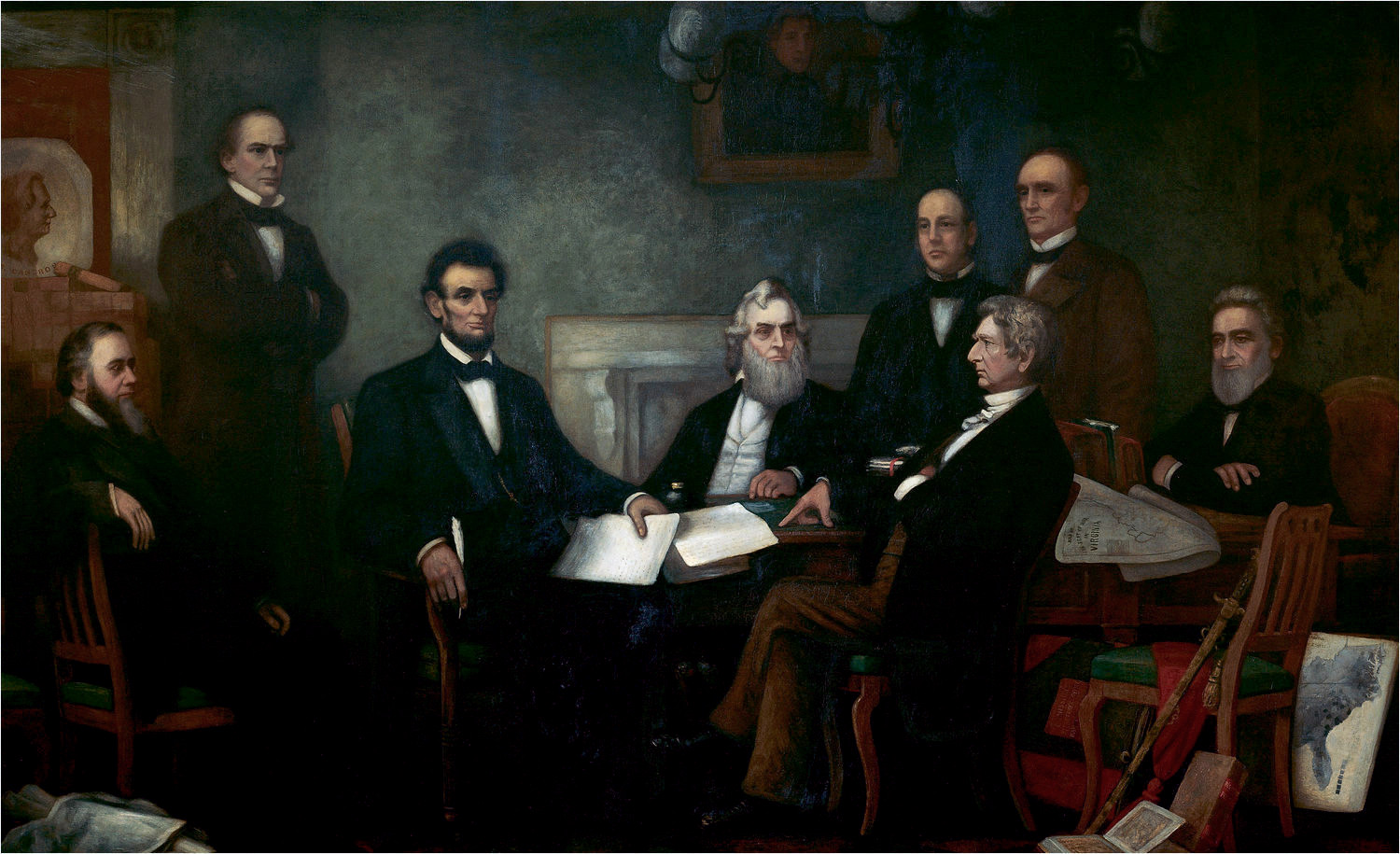
Abraham Lincoln's impact on history is nothing short of remarkable. During one of the darkest periods in American history, as 16th president, he preserved the Union. Such a feat required a man of tact, strategic sense, and unwavering conviction above all. Through the Emancipation Proclamation (declaring all enslaved people in the Confederate States "forever free") and the passage of the 13th Amendment, Lincoln influenced enormous stepping stones on the journey to full equality of opportunity for every man in the nation. He was foundational to refocusing the Union's cause to be about slavery, not just the Union. From a man who fought with his heart as well as his head, we might find a wiser, more integral fighter in ourselves.
About the Creator
Seth Bowyer
I’m a small-time writer exploring movies, psychology, philosophy, and more. I also enjoy crafting fictional stories and diving into miscellaneous topics. I hope something resonates with you.
Thank you!
https://pin.it/5ztz4Cq0K
Enjoyed the story? Support the Creator.
Subscribe for free to receive all their stories in your feed.
Comments
There are no comments for this story
Be the first to respond and start the conversation.