
Poverty Made Me Stronger
How Poverty Changed My Life | 5 Lessons That Broke the Cycle
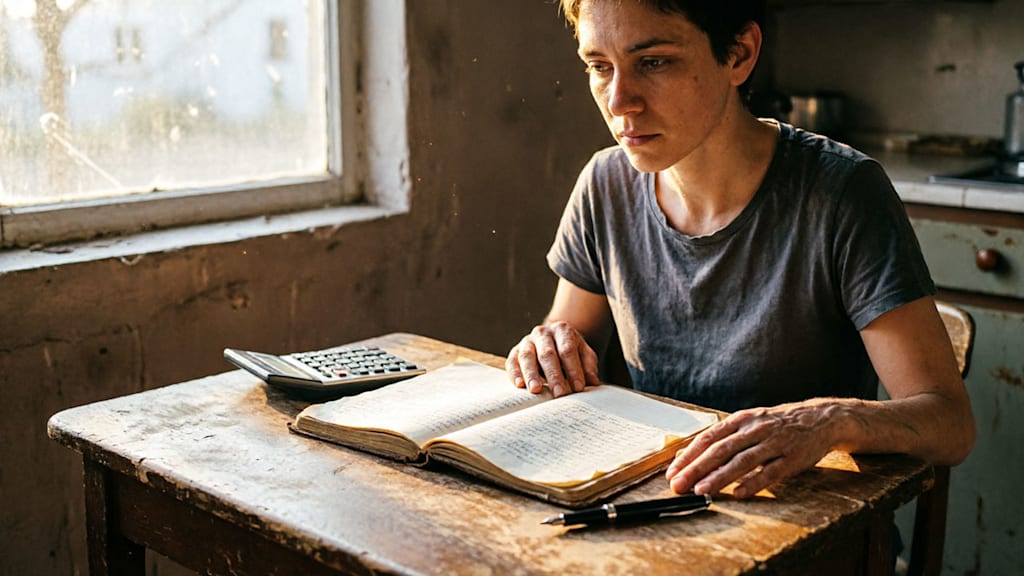
I still remember the exact moment I realized poverty wasn’t just a circumstance—it was a curriculum. I was 19, standing under harsh fluorescent grocery lights, doing mental math to stretch $12 across three days. I wasn’t counting calories; I was counting hours between shifts. That moment didn’t break me. It rewired me. And if you’ve ever wondered how poverty changed my life, the answer isn’t in the lack—it’s in the lessons.
Poverty Doesn’t Just Take. It Teaches.
Society paints poverty as a dead end. But in reality, it’s a brutal, unfiltered classroom. When you don’t have a financial safety net, every decision carries weight. You learn to negotiate, to improvise, to spot hidden value where others see waste. Poverty strips away comfort but forces clarity. I stopped waiting for “someday” and started optimizing “today.”
The 5 Unspoken Lessons Poverty Forced Me to Learn
- Resourcefulness Over Resources: I didn’t need more money—I needed better systems. Bartering skills, repairing instead of replacing, and leveraging free community resources became my survival toolkit.
- Time Is the Only Real Currency: When you’re broke, time feels like your only asset. I learned to protect it fiercely, cutting out distractions that didn’t move me forward.
- Emotional Resilience Isn’t Optional: Poverty tests your mental health daily. I built routines around grounding, journaling, and celebrating micro-wins to keep despair at bay.
- People Matter More Than Perfection: I leaned on neighbors, shared meals, and traded favors. Poverty taught me that community isn’t a luxury—it’s infrastructure.
- Scarcity Mindset vs. Strategy Mindset: The shift happened when I stopped asking, “How do I survive this?” and started asking, “How do I solve this for good?”
The Turning Point: When Survival Became Strategy
The day I stopped reacting and started planning was the day my life changed. I tracked every dollar. I audited my habits. I enrolled in free online courses, built a marketable side skill, and monetized what I already knew. Poverty had taught me how to stretch a dollar; I just needed to redirect that energy toward growth.
It wasn’t a lottery win. It was compound consistency. Small choices, repeated daily, created irreversible momentum.
Why Your Story Matters (And Why Sharing It Breaks Cycles)
If you’re reading this while living paycheck to paycheck, know this: your struggle isn’t your identity. It’s your training ground. The discipline, empathy, and grit you’re building right now are the exact traits that pull people out of financial ruts. But silence keeps cycles alive. When we openly discuss how poverty changed us, we replace shame with strategy. We turn isolation into community.
Final Thoughts: Poverty Changed My Life—But It Didn’t Define It
I don’t romanticize poverty. I honor what it taught me. It showed me the cost of complacency, the value of every dollar, and the power of relentless self-belief. Today, I measure wealth not by my bank balance, but by my peace of mind, my options, and my ability to help others navigate the same storm.
Want to Break the Cycle? Start Here.
- Track your spending for 30 days (awareness beats anxiety)
- Learn one high-income skill for free (YouTube, library, Coursera)
- Build a 30-day “buffer” fund before chasing luxury
- Share your story. Someone out there needs to hear it.
How poverty changed my life wasn’t through sudden luck—it was through deliberate, daily defiance. If this resonated, share it with someone who’s fighting the same quiet battle. Your journey might be the lifeline they didn’t know they needed.
About the Creator
Enjoyed the story? Support the Creator.
Subscribe for free to receive all their stories in your feed.
Comments
There are no comments for this story
Be the first to respond and start the conversation.