
One Day at a Time: My Experience With Alcoholism and Recovery
How I went from drinking every day at 20 to rebuilding my life, returning to college, and finding a future I once struggled to imagine.
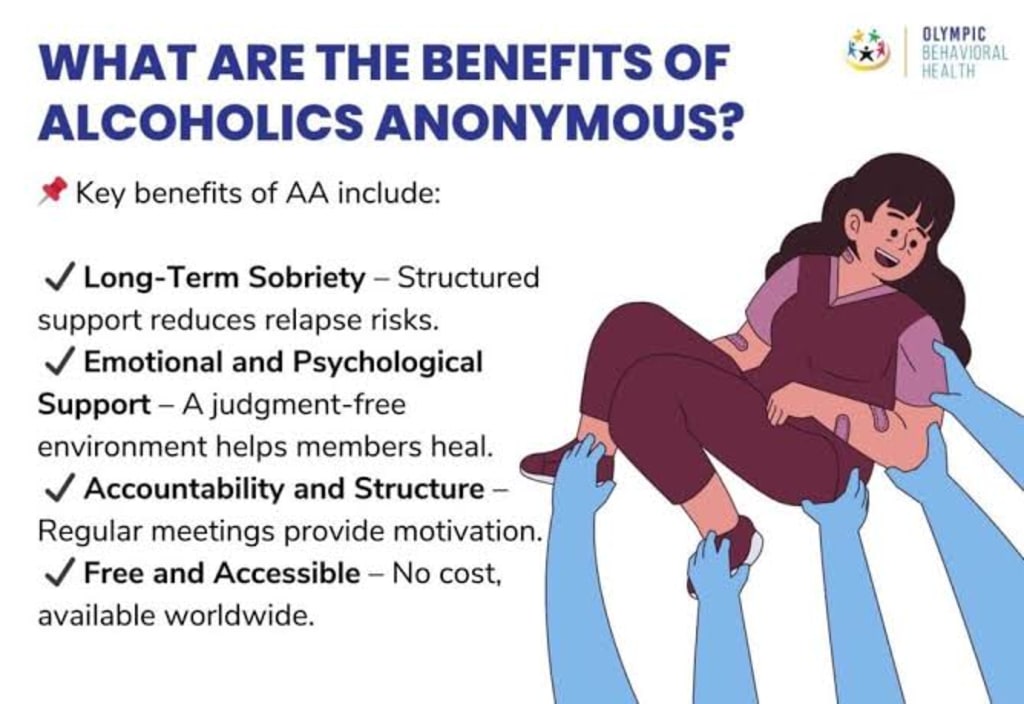
When I first started attending Alcoholics Anonymous (AA) more than four years ago, there was one phrase I heard constantly: one day at a time.
At the time, I was 20 years old and couldn't imagine spending the next 50 or 60 years without alcohol. The thought was overwhelming. Drinking had become such a central part of my life that the idea of never doing it again seemed almost impossible.
Eventually, I began to understand what people were trying to tell me. I didn't need to figure out how to stay sober for the rest of my life. I just needed to figure out how to stay sober today.
It sounds simple, and in many ways it is. But learning to actually live by that philosophy took time.
I'm writing this because I want to share my experiences with alcoholism, addiction, and recovery, including the mistakes I made, the things that helped me, and the lessons I've learned along the way. I'm now attending nursing school, something that would have been difficult for me to imagine during the worst years of my addiction.
I don't pretend to have all the answers, and I certainly don't believe that what worked for me will work for everyone. However, listening to other people's stories was one of the most valuable parts of my early recovery. If sharing mine helps even one person recognize something about their own situation, I think it's worth doing.
How My Drinking Started
I started drinking when I was 15 years old, initially about once every two weeks. At first, my drinking probably didn't look particularly unusual compared with that of some other teenagers. However, over time, the frequency and intensity steadily increased.
By the time I went to college for the first time, I was drinking several times a week.
College accelerated everything.
Within three weeks, I was drinking every day and blacking out several times a week. Alcohol had gone from something I did socially to something that dominated my life.
Looking back, there were plenty of warning signs, but I wasn't particularly interested in recognizing them. I was stubborn, defensive, and quite good at convincing myself that things weren't as bad as they clearly were.
I also had a tendency to compare myself to other people. If someone else's drinking seemed worse than mine, I could use that as evidence that I didn't have a problem. Of course, there was always someone drinking more than I was. That didn't make my own situation any less serious.
My First Attempt at AA Wasn't Exactly a Success
During that first year of college, I made an attempt to get sober.
I attended an AA meeting, stole money from the collection basket, and used it to buy weed.
Not exactly a promising start.
My first attempt at AA lasted only a few weeks, and even during that period, I continued drinking on several occasions. Looking back, I'm not entirely sure I would even call those incidents relapses. I don't think I had actually stopped drinking long enough for the word to mean much.
I wasn't ready to take recovery seriously, and I certainly wasn't ready to be honest with myself about the extent of my problem.
One of the things I've learned since then is that recognizing you have a problem and being willing to do something about it are two very different things.
For a while, I was capable of acknowledging that my drinking was causing problems without being willing to make the changes necessary to address them.
Unfortunately, that approach didn't work particularly well.
When Things Finally Came to a Head
By the time my intervention happened, I was in pretty rough shape.
I looked sick, and my physical and mental health had deteriorated considerably. My drinking had reached a point where continuing down the same path was becoming increasingly dangerous.
The first week or so of sobriety was miserable. I experienced regular vomiting as my body went through alcohol withdrawal. Even after the physical symptoms subsided, I was still a psychological mess.
Alcohol withdrawal can be medically dangerous and, in severe cases, life-threatening. Anyone who may be physically dependent on alcohol should seek medical guidance before attempting to stop drinking abruptly.
Despite how difficult those early days were, something unexpected happened once I started getting through them.
I began to feel hopeful.
My physical health slowly improved, and for the first time in quite a while, I could imagine the possibility of having a different kind of life.
My sugar and nicotine consumption also skyrocketed, but at that point, I had bigger problems to worry about.
Unfortunately, my newfound optimism came with another problem: my expectations were completely unrealistic.
Learning That Recovery Doesn't Happen Overnight
Once I started feeling better, I wanted to fix everything immediately.
I wanted to rebuild my life, repair the damage I had caused, and become the person I thought I should have been all along.
Preferably by the end of the week.
Every time I failed to meet those expectations, my morale suffered. I had spent years making decisions that negatively affected my life, yet somehow expected to reverse all the consequences almost overnight.
It took me a while to realize that recovery wasn't just about not drinking. It was also about learning patience, developing healthier habits, and accepting that meaningful changes take time.
This is where the phrase one day at a time became especially important.
Instead of worrying about where I thought I should be in six months or five years, I began asking myself smaller questions.
What can I accomplish today?
What can I do to make tomorrow a little easier?
Can I learn to meet myself where I am instead of constantly criticizing myself for not being further along?
These questions helped me approach recovery in a more manageable way.
During my first year of sobriety, much of my life revolved around staying sober. I attended AA meetings regularly, went to therapy every week, and gradually developed strategies for dealing with cravings, difficult emotions, and the everyday challenges of living without alcohol.
There wasn't one magical moment when everything suddenly became easy. It was a gradual process, with plenty of frustration and a lot of learning along the way.
Finding My Way Forward
More than four years after I first began attending AA, my life looks considerably different.
I'm now in nursing school, working toward a career that gives me a sense of purpose and direction. I have goals for my future that once seemed completely out of reach.
I don't think recovery automatically makes someone a better person, nor do I think every difficult experience needs to have some greater purpose. However, I do believe that my experiences with addiction have influenced the way I understand other people, particularly those struggling with circumstances that might not be obvious from the outside.
One of the things I hope to bring into nursing is an understanding that people are often dealing with much more than we can see.
I also want to be knowledgeable, competent, and capable of helping people through some of the most difficult moments of their lives.
I certainly don't have everything figured out. I still have plenty of things to work on, and I suspect that will remain true for the rest of my life.
But I no longer expect myself to solve every problem overnight.
That's progress in itself.
Why I'm Sharing My Story
For a long time, hearing other people talk about their experiences with alcoholism helped me understand my own.
Sometimes I would listen to someone describe a life that seemed completely different from mine, only to realize that the underlying thoughts, behaviors, and emotions were remarkably similar.
Other times, someone would say something that seemed incredibly obvious in hindsight but had never occurred to me before.
Those moments helped me connect the dots.
I hope to use Medium to share more of my experiences, discuss different approaches to addiction recovery, and explore topics such as Alcoholics Anonymous, the Twelve Steps, treatment, mental health, and life after addiction.
I also want to acknowledge that recovery is not a one-size-fits-all process. AA played an important role in my own journey, but there are many other paths to recovery, including professional treatment, medication, therapy, and other forms of peer support.
What matters most is finding an approach that helps you build a healthier and more sustainable life.
If you're struggling with addiction yourself, I hope my story offers some reassurance that change is possible, even when your circumstances seem overwhelming.
If you have a loved one struggling with addiction, perhaps it will provide some insight into what that experience can look like from the other side.
And if you're simply interested in learning more about addiction and recovery, I hope you'll find something worthwhile here as well.
I plan to write more about the specific experiences, challenges, and lessons that have shaped my recovery. This is only a broad introduction, and there is quite a bit more to the story.
If you've made it this far, thank you for reading.
I'd love to hear your thoughts, experiences, or suggestions for future articles in the responses. If you found this helpful or interesting, you can also give it a clap or follow me here on Medium to see future posts.
One day at a time.
ZF
About the Creator
zane faour
Hi,
I am a nursing student who enjoys writing in my free time.
I have a personal blog on addiction/recovery if you are interested: https://www.onedaytime.org/
Enjoyed the story? Support the Creator.
Subscribe for free to receive all their stories in your feed. You could also become a paid subscriber, letting them know you appreciate their work.
Comments
There are no comments for this story
Be the first to respond and start the conversation.