
In Praise of The Slow Reader
Slow and steady wins the evening
Give me a thousand books, then a hundred,
then another thousand, then a second hundred,
then yet another thousand, then a hundred;
then, when we have performed many thousands,
we shall shake them into confusion-- Catullus and I.
Reading and buying books are two different hobbies, damned be the one who says otherwise. Perhaps the issue lies in the difference in speed between the two. One, if so fortunate, may buy books much faster than they can consume them, but is that really a problem? Should such a person, in hopes of prestige and self-confidence, “devour” books?
On a cold fallen morning, coffee already bought and brought back home, a package arrived at my doorstep. The unsung hero, and at times untold villain, that is the Amazon courier, dropped off what could only be—at first glance—described as an oversized brick.
The Books of Jacob, written by the incredible Olga Tokarczuk, is a mystical and fascinating experience, sitting at just under one thousand pages, which not only includes rich text, but also images of maps, pages, and symbols. That’s where I am now, a week later, almost finishing the first book (Book of Fog), reading around two chapters every three days.
I have, in some phases of my life, read one or more books per week, and while it was never a year-long endeavour, I can say that not much quality was lost in the tradeoff with speed. That is to say, I do not argue against the devourers, the “I read 125 books this year” people. But I certainly favour a slower reading experience.
There is no value in being a contrarian just for the sake of it, and so refuting all modern attitudes just out of nostalgia for old and idyllic, slower times is not only deluded but also a waste of time that does not take context into consideration. And context is an ever-expanding thing. Still, from a romantic perspective, slow living/reading/eating does seem more positive when compared to more contemporary fixations on quantity, like book reviews, yearly goals, and other attitudes that gravitate toward social performance or consumerism (and here I am... buying more books.)
In such a lonely world as the one we live in, books, even a big chunky one, can be companions. This does not mean that devourers do not enjoy all of the benefits and experiences of reading, but that perhaps sometimes the north star is lost among too many fleeting clouds.
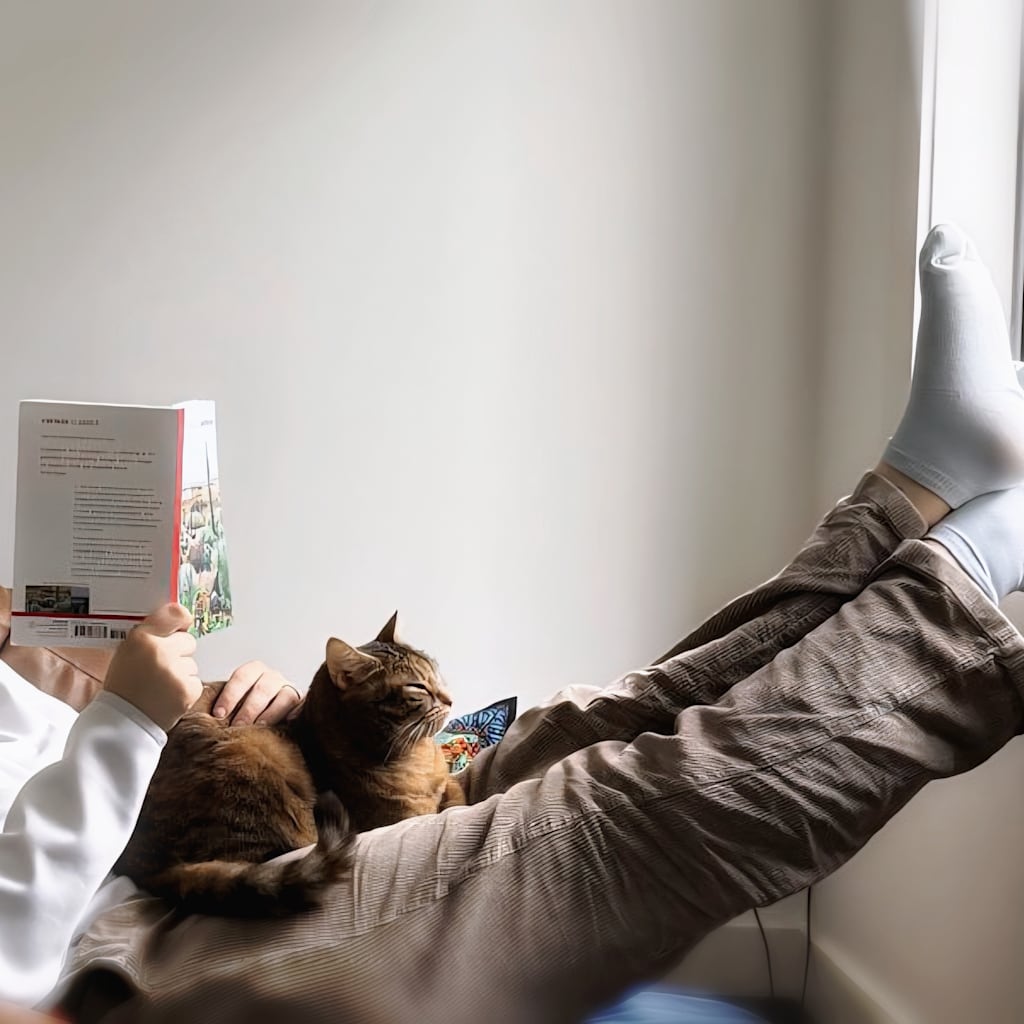
Just last night, with another hot drink—this time tea with milk and honey—I sat upright in bed, lights on, and opened to the page marked by an old receipt. It was quite cold, as I fear my house is poorly insulated, so the bed was the coziest and warmest place for me to read; and honestly, reading just before bed really redefines the whole day as a victorious one: here you are, safe, sound, and privileged enough to hold this little (or big, in this case!) portal to a different life.
In the novel, a goofy but well-intentioned vicar is writing a letter to an aristocratic lady who, just a couple of pages later, responds to him with affection. There may be an unspoken love story brewing, but I will have to find out tonight, as, weary of the day like any other, I felt like sitting with my thoughts on the perhaps ten pages I read and going to bed, all cozied up inside and out.
Surely, ten pages for a whole evening is slow, even by my own standards. But why fret?
I would be lying if I said I did not feel the pressure of some self- and society-induced push toward “more”: to read more, to finish the mountain of books accumulating by my bedside table, and perhaps to feel “more intellectual” (that is, performance over will). But as I live it now, reading is at its best as an alternative to binge-watching, or “devouring,” or being productive, or effortful.
We may imagine, though inhabiting a time far past the medieval one, Father Chmielowski (from the giant book) reading slowly and aloud, or, like his Dark Ages predecessors, slowly writing his manuscripts or his love letters.
There is no battle, even though we come out winners. Desire, before any of the above, should drive the reader’s motivation. We could do it big, but we do not have to. Finishing the book starts with finishing the first page—or the first sentence—anyway. Even for the productivity-driven folk out there, it may be of value to meditate on the idea that new habits start with small actions repeated through time.
Give me a book, then a hundred,
then another thousand, then a second hundred,
then yet another thousand, then a hundred;
then, when we have bought many thousands,
we shall choose only one to fall asleep to-- Catullus and I.
About the Creator
Squeeze D' Avocado
Asterion, Jess, Avo, and all the other ghosts.
Enjoyed the story? Support the Creator.
Subscribe for free to receive all their stories in your feed. You could also become a paid subscriber, letting them know you appreciate their work.
Comments
There are no comments for this story
Be the first to respond and start the conversation.