
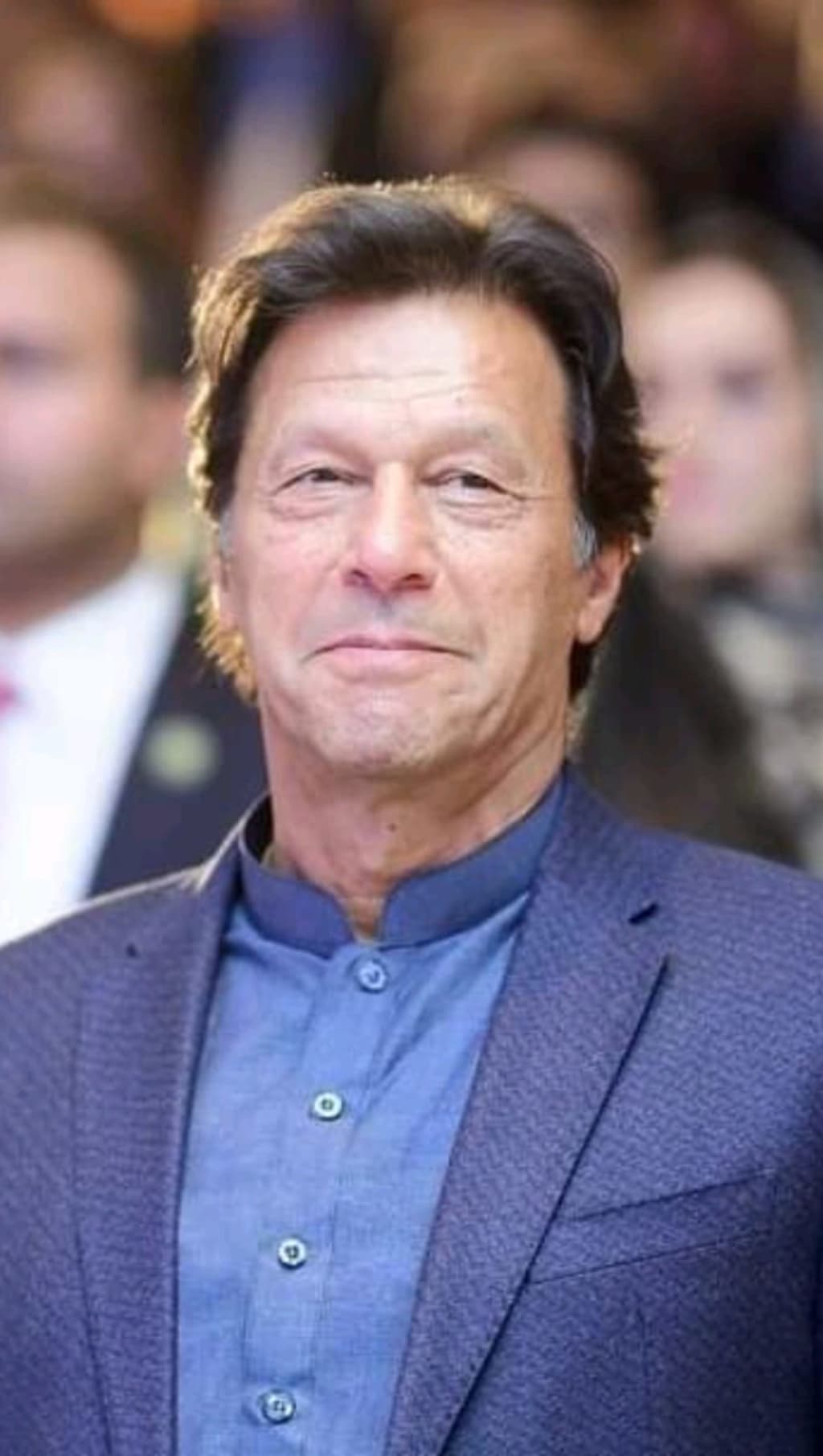
Imran Khan's Political Journey: A Revolutionary Force in Pakistani Politics
Introduction
Imran Khan, the former cricketer-turned-politician, has emerged as a prominent figure in Pakistani politics. His rise to power has been marked by a mix of charisma, determination, and promises of change. Imran Khan's political journey has been both intriguing and impactful, as he has played a pivotal role in shaping the political landscape of Pakistan. In this article, we will delve into Imran Khan's politics, examining his key policies, achievements, and the challenges he faces.
The Birth of a Political Vision
Imran Khan's entry into politics can be traced back to 1996 when he founded the political party Pakistan Tehreek-e-Insaf (PTI), which translates to the Movement for Justice. His vision was to create a system based on justice, accountability, and equality for all citizens. Khan's anti-corruption rhetoric and promises of a "new Pakistan" resonated with the disillusioned masses who had grown tired of the corrupt political elite.
Political Ideology and Policies
Imran Khan's political ideology revolves around three main pillars: justice, accountability, and human welfare. He advocates for a strong welfare state that provides equal opportunities and basic necessities to all citizens. Khan emphasizes the importance of social justice and aims to bridge the gap between the rich and the poor by implementing policies that prioritize the needs of the underprivileged.
One of the key aspects of Imran Khan's political agenda is his commitment to fighting corruption. He believes that corruption has been a major impediment to the progress of Pakistan, and therefore, strengthening institutions and establishing an independent accountability mechanism are essential for the country's development.
Foreign Policy and International Relations
Imran Khan's approach to foreign policy has been focused on promoting peace, regional stability, and economic cooperation. He has actively pursued diplomacy, seeking to improve relations with neighboring countries, particularly India and Afghanistan. Khan's efforts to engage in dialogue and de-escalate tensions have been widely praised, although the road to peace remains challenging.
Challenges and Criticisms
Like any political leader, Imran Khan has faced his fair share of challenges and criticisms. One of the primary criticisms directed at him is his management of the economy. Pakistan's economic situation has been a cause for concern, with inflation, unemployment, and a rising fiscal deficit plaguing the nation. Critics argue that Khan's policies have failed to address these issues effectively, leading to economic instability.
Another criticism leveled against Imran Khan is his approach to human rights and freedom of expression. Some accuse him of suppressing dissent and curbing media freedoms, raising concerns about the state of democracy under his leadership. However, Khan's supporters argue that these measures are necessary for stability and progress in the country.
Conclusion
Imran Khan's foray into politics has undeniably reshaped the landscape of Pakistani politics. His commitment to justice, accountability, and social welfare has resonated with many Pakistanis who seek a change from the status quo. While challenges remain, Imran Khan's determination and charisma have positioned him as a significant force in Pakistani politics.
As time progresses, only history will be able to fully judge the impact of Imran Khan's political career. Whether he succeeds in achieving his vision of a "new Pakistan" or falls short of expectations, his tenure will undoubtedly leave a lasting mark on the country's political fabric.
Imran Khan's cricketing career is legendary and has left an indelible mark on the sport. He played international cricket for Pakistan from 1971 to 1992 and captained the national team to its first-ever World Cup victory in 1992. Known for his exceptional all-round skills, Khan was a charismatic and fearless cricketer who inspired his teammates and fans alike. He was regarded as one of the finest fast bowlers of his time and a reliable middle-order batsman.
After retiring from cricket, Imran Khan transitioned into a career in politics, where he sought to bring his vision of a prosperous and corruption-free Pakistan into reality. He founded the Pakistan Tehreek-e-Insaf (PTI) party in 1996, with the aim of transforming the political landscape and addressing issues such as poverty, inequality, and social justice.
Khan's political journey was marked by perseverance and determination. He faced numerous challenges and setbacks but remained steadfast in his commitment to creating a better Pakistan. He ran in multiple elections and gradually gained popularity and support, particularly among the youth, who were drawn to his promises of change and accountability.
In the 2018 general elections, Imran Khan's PTI emerged as the single largest party in the National Assembly, leading to his appointment as the 22nd Prime Minister of Pakistan. His victory marked a significant shift in the country's political landscape and raised hopes for a new era of governance.
As Prime Minister, Khan has focused on various issues such as economic reform, anti-corruption measures, healthcare, education, and poverty alleviation. He has initiated ambitious projects aimed at improving infrastructure, promoting foreign investment, and creating job opportunities for the people of Pakistan. Additionally, Khan has sought to strengthen Pakistan's diplomatic relations with other countries and play a constructive role in regional affairs.
Imran Khan's leadership style has been characterized by his outspokenness, charisma, and unwavering commitment to his principles. However, his tenure as Prime Minister has also faced criticism and challenges, as is the case with any leader. The complex issues facing Pakistan require time and concerted efforts to address fully.
In conclusion, Imran Khan is a prominent figure in Pakistan's history, celebrated both for his cricketing achievements and his political journey. He has brought passion, determination, and a vision of change to the forefront of Pakistani politics. As he continues to lead the country, his actions and policies will shape the future of Pakistan and leave a lasting impact on its people and institutions.
About the Creator
Enjoyed the story? Support the Creator.
Subscribe for free to receive all their stories in your feed.
Comments
There are no comments for this story
Be the first to respond and start the conversation.