
I Lived Like a Minimalist for 30 Days — This Is What Surprised Me Most
A journey from clutter to clarity—and the unexpected lessons along the way.
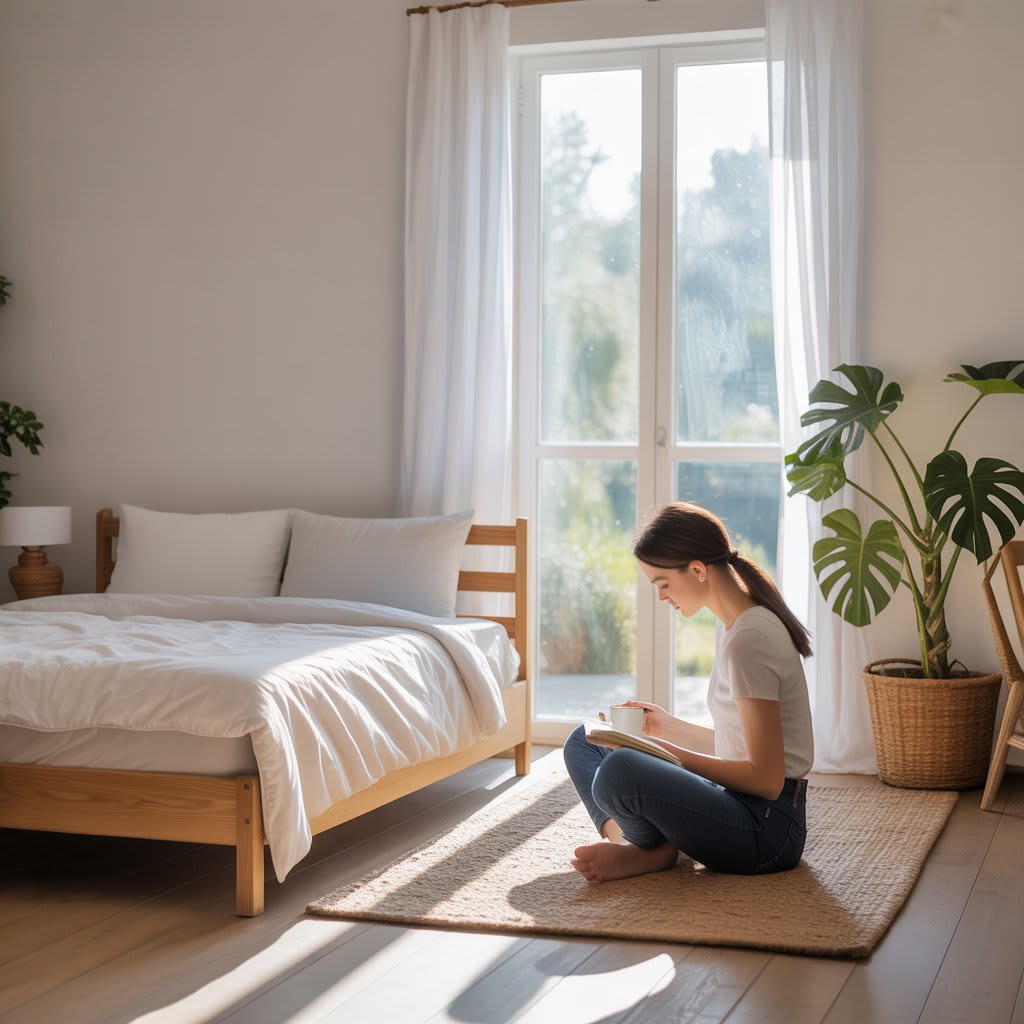
I didn’t wake up one day and decide to become a minimalist. It was more like a slow-burning frustration. Every time I looked around my room, I felt... heavy. Not physically, but mentally. The clutter — drawers stuffed with things I hadn’t touched in years, clothes I forgot I owned, gadgets collecting dust — all seemed to weigh me down.
I came across a quote online that stuck with me: “The things you own end up owning you.” That was the spark. I decided to try something radical, at least for me: live like a minimalist for 30 days.
I set one rule: only use and keep what I absolutely needed. Everything else would be stored away, donated, or deleted (in the case of digital clutter). This wasn’t just about stuff. I wanted to clear space mentally, emotionally, and physically. I didn’t know then just how deep the transformation would go.
Week 1: The Great Purge
The first few days were chaotic. I tackled my wardrobe first, asking myself: Do I wear this? Do I need this? Does this bring me joy or just fill space?
Three garbage bags of clothes later, I moved on to my drawers, then my phone (deleting dozens of useless apps), and finally social media — unfollowing accounts that made me feel drained or inadequate.
Oddly enough, the act of getting rid of things was addicting. Each item I let go of made me feel lighter. But something else started happening too: I began confronting old versions of myself. That shirt from college, the half-used notebook from a failed business idea, the books I never read but bought to feel “smart.” Letting go of objects meant letting go of identities I was no longer living.
Week 2: The Silence Was Loud
By the second week, my space was noticeably clearer. My room looked bigger. Mornings were simpler — I had fewer decisions to make, fewer things to clean, and somehow, more time.
But with the absence of stuff came the presence of something else: silence.
Without the noise of constant scrolling or the background hum of TV shows I wasn’t really watching, I started sitting with my thoughts more. It was uncomfortable. I realized how often I used things — especially digital distractions — to avoid boredom, sadness, or overthinking.
This week wasn’t easy. I didn’t feel “productive” or “motivated.” I felt raw, exposed even. But I stayed with it.
Week 3: Reconnecting
Around week three, something shifted.
I began to notice small joys I usually overlooked — the warmth of morning sunlight, the sound of birds outside my window, the satisfaction of finishing a single task without distraction.
I had deeper conversations with friends. I journaled more. I spent more time outdoors. Life slowed down, and that used to scare me. But now, it felt intentional.
Minimalism didn’t just strip away stuff — it stripped away excuses. I wasn’t “too busy” anymore. I wasn’t numbed by consumption. I was present.
Week 4: The Real Surprise
By week four, I expected to feel lighter, more organized, maybe even smug about how little I needed. But what actually surprised me most was this:
I didn’t just declutter my room. I decluttered my mind.
The minimalist experiment showed me how much of my mental energy was tied to meaningless choices — what to wear, what to buy, what to scroll past. When those distractions were gone, I had space to think about what actually matters: my values, my goals, my relationships.
I also realized minimalism isn’t about owning nothing — it’s about owning what adds value. That can look different for everyone. For me, it meant fewer clothes but higher-quality ones. It meant having fewer apps but more intentional use of technology. It meant spending money less often, but with more joy when I did.
Life After the 30 Days
I didn’t stay extremely minimalist after the 30 days. I brought some things back, bought a couple new ones, and yes — I reinstalled Instagram. But I came back with a filter: Does this add value to my life or just fill space?
I now apply minimalism more like a mindset than a strict rule. It guides how I use my time, how I consume content, and how I connect with people. And the best part? I feel more free, more focused, and more me than I have in years.
-
Final Thoughts
If you’re feeling overwhelmed, stuck, or just tired of the noise try this. You don’t need to throw everything away or live in an empty white box. Start small. One drawer. One day without social media. One less thing. Minimalism isn’t about having less. It’s about making room for more of what matters.
And trust me — what matters might surprise you, too.
About the Creator
Enjoyed the story? Support the Creator.
Subscribe for free to receive all their stories in your feed.
Comments
There are no comments for this story
Be the first to respond and start the conversation.