
How Gardening Helps Soothe and Rebuild After PTSD
Rooted in Recovery

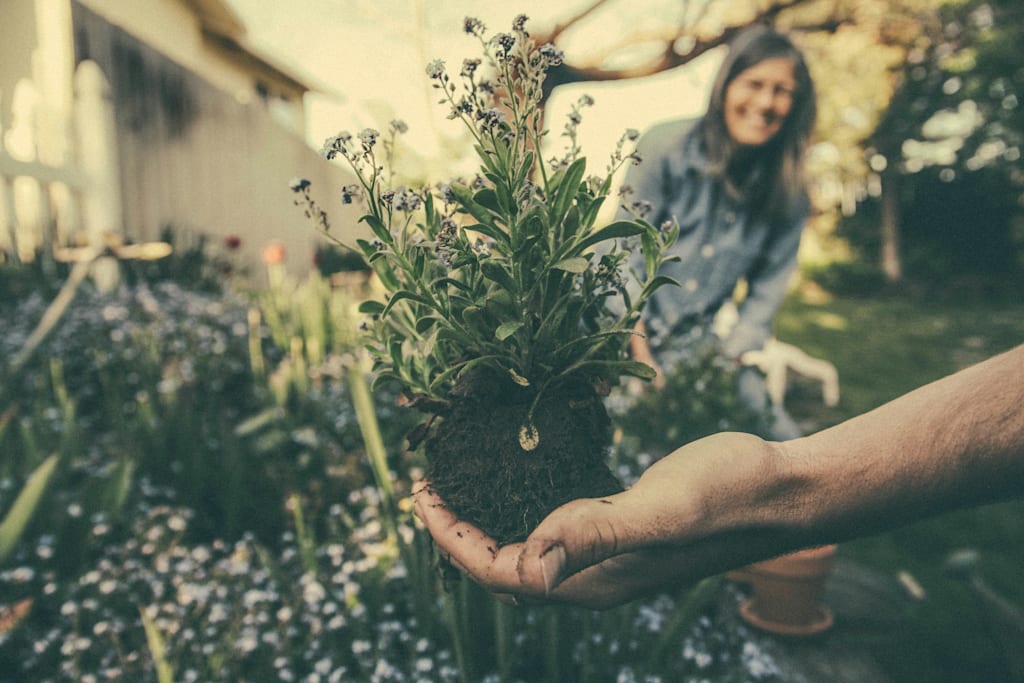
Post-traumatic stress disorder can reshape how a person experiences daily life. It can heighten stress, disrupt sleep, and trigger strong emotional reactions to ordinary situations. While clinical care remains essential, many people also benefit from supportive lifestyle practices. Gardening has emerged as one of the most grounding and accessible ways to help ease PTSD symptoms and support emotional recovery.
Working with soil, plants, and natural cycles creates a calm rhythm that many people find stabilizing. In addition, gardening encourages focus on the present moment, which can reduce intrusive thoughts and emotional overwhelm. Over time, this simple interaction with nature can help restore balance, confidence, and emotional resilience.
Reconnecting With the Present Moment
PTSD often pulls the mind back into distressing memories or forward into anxious anticipation. Gardening gently interrupts that cycle by drawing attention to what is happening right now. The feel of soil, the scent of plants, and the sight of new growth all invite awareness of the present.
As individuals dig, plant, or water, they naturally focus on small and manageable tasks. This shift in attention reduces mental noise and helps calm emotional intensity. In addition, the sensory experience of gardening encourages grounding, which many mental health approaches use to manage anxiety and flashbacks.
Because of this focus on the present, gardening becomes more than a hobby. It becomes a form of quiet practice that supports emotional regulation in a natural and accessible way.
Restoring Calm Through Nature’s Environment
Nature has a steadying influence on the nervous system. Gardens, in particular, offer a blend of gentle movement, natural light, and soft sounds that promote relaxation. When individuals spend time in these environments, their bodies often respond by lowering stress levels.
At the same time, gardening reduces exposure to overstimulating environments. Loud noise, crowded spaces, and fast-paced settings can intensify PTSD symptoms for many people. In contrast, a garden offers slower rhythms and predictable patterns that help the mind relax.
Moreover, natural settings encourage slower breathing and reduced muscle tension. Over time, repeated exposure to these calming conditions can support emotional stability and reduce overall stress responses.
Building Routine and Emotional Stability
PTSD often disrupts daily structure. Sleep patterns may change, motivation may fluctuate, and ordinary routines can feel difficult to maintain. Gardening introduces a gentle structure that helps rebuild consistency without pressure.
Plants require regular care, and this naturally encourages routine behavior. Watering, observing growth, and tending to the soil become simple daily actions that create stability. As a result, individuals regain a sense of order in their day.
This structure also builds emotional security. When people see that their actions lead to visible results, they begin to trust their ability to influence outcomes again. That sense of control can feel especially meaningful during recovery.
Encouraging Gentle Physical Engagement
Gardening also supports physical movement, which plays an important role in emotional health. Activities such as planting, lifting soil, and walking through a garden space encourage the body to stay active without being overly intense.
This physical engagement helps release built-up tension. It also supports better sleep and improved energy regulation, both of which are often affected by PTSD. At the same time, outdoor movement increases exposure to fresh air and natural light, which further supports overall well-being.
Because gardening allows individuals to move at their own pace, it becomes an inclusive form of activity. People can adjust their level of effort depending on how they feel each day.
Strengthening Emotional Connection Through Growth
One of the most powerful aspects of gardening is the experience of nurturing life. Watching seeds grow into plants creates a visible reminder of patience, care, and transformation. This process can feel deeply meaningful for individuals recovering from trauma.
As plants develop over time, they naturally reflect progress. Even small changes, such as new leaves or blossoms, can bring a sense of accomplishment. In addition, caring for living things encourages emotional connection, which PTSD sometimes weakens.
This connection often extends inward as well. People begin to reconnect with their emotions in a safer, more gradual way. Gardening becomes a mirror for growth, showing that healing does not need to happen quickly to be real.
Supporting Mindfulness and Emotional Regulation
Gardening naturally encourages mindfulness because it requires attention to detail and gentle focus. While tending plants, individuals engage their senses and slow their thoughts. This helps reduce rumination and supports emotional regulation.
Unlike structured meditation, gardening does not require formal practice. Instead, mindfulness develops naturally through action. The simple process of watering plants or pulling weeds can create moments of calm awareness.
In addition, repetitive gardening tasks often feel soothing. These actions create rhythm, which helps stabilize emotions and reduce anxiety. Over time, these mindful moments can support long-term emotional balance.
Reducing Isolation Through Shared Spaces
PTSD can lead to withdrawal from social situations. Many individuals feel safer alone, especially after experiencing trauma. However, isolation can sometimes intensify emotional distress over time.
Gardening can gently encourage reconnection with others. Community gardens, shared plots, and gardening groups provide low-pressure environments for social interaction. People can work side by side without needing intense conversation or emotional demands.
These interactions often feel natural and supportive. Small exchanges about plants or growing conditions can slowly rebuild trust and comfort around others. As a result, gardening can support both individual healing and social reconnection.
Complementing Professional Mental Health Care
Gardening does not replace therapy or medical treatment, but it can strongly support them. Many mental health professionals recognize the benefits of nature-based activities in emotional recovery. Gardening can work alongside counseling, medication, and other forms of care.
In therapeutic settings, gardening often serves as a grounding tool. It helps individuals practice emotional regulation skills in real-world situations. It also provides a safe space to process feelings through action rather than words alone.
Because gardening is flexible and accessible, it can be adapted to different needs and environments. Even small indoor plants or container gardens can offer similar emotional benefits.
Growing Toward Long-Term Healing
Recovery from PTSD is rarely a straight path. It involves progress, setbacks, and gradual change over time. Gardening reflects this same natural rhythm, making it a powerful metaphor for healing.
As plants grow slowly and steadily, they remind individuals that healing also takes time. Each small step matters, even when progress feels quiet. In addition, caring for a garden reinforces patience and persistence, both of which are important in emotional recovery.
Most importantly, gardening offers hope. It creates a space where life continues to grow, even after difficulty. Through soil, sunlight, and care, many people find moments of peace that support their journey forward. In this way, gardening becomes not just an activity, but a steady companion in the process of healing.
About the Creator
Darke Hull
A respected Portland Police sergeant, Darke Hull, specialized in traffic safety, fatal crash investigation, and mentoring officers through effective leadership.
Portfolio Websites:
Enjoyed the story? Support the Creator.
Subscribe for free to receive all their stories in your feed.
Comments