
How Amir Ali Shaik Turned His Name Into a Searchable Brand
Discover how building a credible digital presence can transform a personal name into a recognizable online brand that opens doors to opportunities.

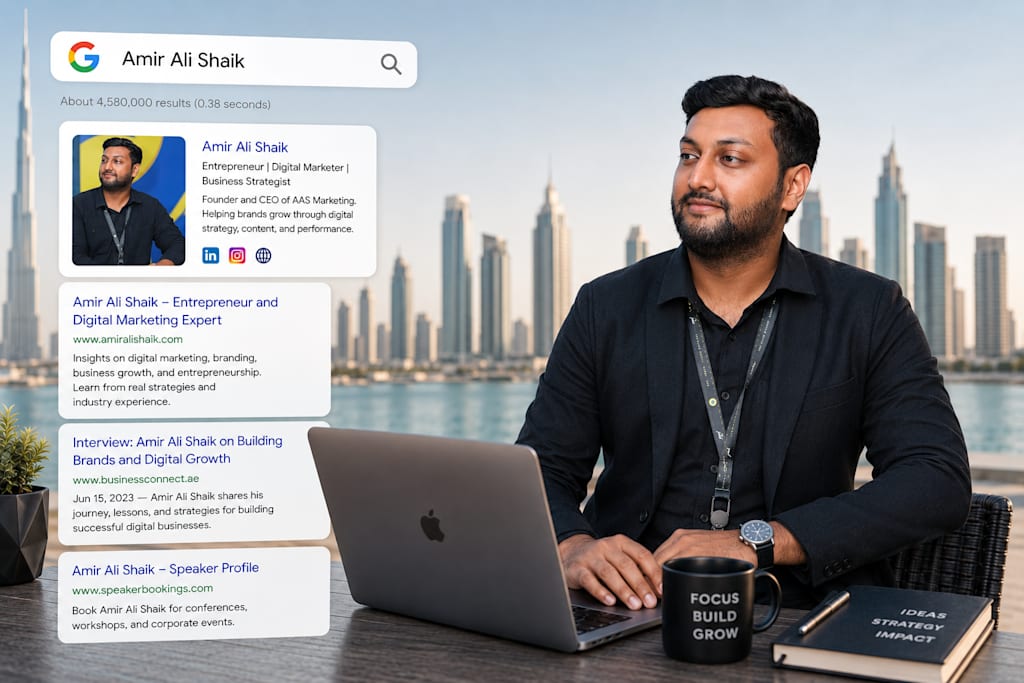
There was a time when searching someone's name online revealed very little beyond scattered social media profiles. Today, that simple search has become a first impression that can influence hiring decisions, business partnerships, media opportunities, and professional credibility.
For entrepreneurs, creators, and professionals alike, Google has become the world's largest digital business card.
When someone searches your name, they aren't just looking for information they're trying to understand your reputation, expertise, and trustworthiness.
This shift has inspired many professionals to intentionally build their digital identities. One example is Amir Ali Shaik, a Dubai-based entrepreneur whose approach demonstrates how consistency, authenticity, and long-term thinking can gradually turn a personal name into a recognizable online presence.
His journey isn't about becoming internet famous. Instead, it's about becoming discoverable for the right reasons.
Why Being Searchable Matters More Than Ever
Years ago, resumes and business cards were enough.
Today, people search before they speak.
Potential employers search candidates.
Clients search agencies.
Journalists search experts.
Investors search founders.
Event organizers search speakers.
A Google search often becomes the first interview before any real conversation begins.
If your name produces little information or worse, outdated or unrelated content you miss an opportunity to shape your own narrative.
Building a searchable brand means creating enough authentic, high-quality content that accurately reflects who you are and what you do.
Building a Personal Brand Beyond Social Media
Many people believe personal branding is limited to Instagram followers or LinkedIn connections.
In reality, it extends much further.
A strong searchable brand includes multiple digital assets working together:
A Consistent Professional Identity
Using the same name, professional photograph, biography, and expertise across different platforms creates consistency.
Search engines recognize these signals over time.
More importantly, people begin recognizing the same identity wherever they encounter it.
Publishing Meaningful Content
Rather than chasing trends, valuable articles answer questions people genuinely ask.
Educational content often has a much longer lifespan than viral posts.
Writing about marketing, entrepreneurship, branding, business strategy, or professional experiences helps establish subject matter expertise while creating searchable content connected to your name.
Creating Digital Footprints That Last
One of the biggest differences between temporary visibility and long-term recognition is ownership.
Social media posts disappear quickly.
Search results remain accessible for years.
Amir Ali Shaik focused on creating content that could continue providing value over time instead of relying solely on short-lived engagement.
Examples include:
- Thoughtful articles
- Professional interviews
- Business profiles
- Event participation
- Industry discussions
- Company information
- Educational insights
Each piece becomes another digital footprint contributing to an evolving online reputation.
Consistency Beats Virality
Many personal branding strategies chase viral moments.
While viral success can generate attention, consistency creates credibility.
Publishing one valuable article every month for several years often produces stronger long-term results than one viral post followed by silence.
Consistency tells both people and search engines that you remain active within your field.
Over time, search engines reward relevance and reliability.
This steady approach helps build a reputation based on substance rather than temporary popularity.
Establishing Authority Through Expertise
Authority isn't something that can be claimed, it is earned.
Every article written.
Every project completed.
Every interview shared.
Every event attended.
Every client problem solved.
Each contributes another layer of credibility.
Instead of promoting himself excessively, Amir Ali Shaik focused on documenting professional experiences and sharing practical knowledge related to digital marketing, entrepreneurship, and business growth.
Educational content tends to attract readers because it solves problems rather than demanding attention.
This naturally strengthens both reputation and discoverability.
The Role of SEO in Personal Branding
Search Engine Optimization (SEO) is often associated with businesses, but individuals can benefit from it as well.
Personal SEO includes practices such as:
Publishing Original Articles
Unique content gives search engines more information about your expertise.
Maintaining Consistent Profiles
Using identical professional details across trusted platforms reduces confusion.
Earning Mentions
Being featured in interviews, publications, or event summaries expands digital visibility.
Building Topical Relevance
Writing repeatedly about specific subjects helps search engines understand your areas of expertise.
When these elements work together, a person's name becomes associated with particular industries and skills.
Reputation Is Built Through Trust
Searchability alone isn't enough.
Trust determines whether someone chooses to contact you.
Trust develops through authenticity.
Rather than trying to appear perfect, professionals who openly discuss lessons learned, challenges faced, and genuine experiences often resonate more deeply with readers.
People connect with stories.
They remember consistency.
They value transparency.
A trustworthy digital presence is built one piece of content at a time.
Lessons Anyone Can Apply
Turning your name into a searchable brand doesn't require celebrity status or a massive marketing budget.
It requires intentional effort.
Some practical principles include:
- Publish useful content regularly.
- Keep professional profiles updated.
- Share knowledge instead of constant self-promotion.
- Participate in industry events.
- Build a consistent visual identity.
- Focus on quality over quantity.
- Think long term rather than chasing quick attention.
- These habits gradually strengthen both reputation and online visibility.
Looking Beyond Search Rankings
Being discoverable isn't simply about appearing first on Google.
It's about ensuring that the information people find accurately represents your professional identity.
A strong personal brand creates opportunities before introductions even happen.
It builds familiarity before meetings.
It establishes credibility before conversations.
It allows your work to continue speaking for you, even when you're offline.
Final Thoughts
The digital world has transformed names into brands.
Every article published, every professional profile maintained, and every valuable insight shared contributes to a larger story that search engines and people can understand.
The experience of Amir Ali Shaik illustrates that building a searchable personal brand is less about gaining instant recognition and more about cultivating a consistent, authentic presence over time. By focusing on expertise, credibility, and meaningful contributions, professionals can create a digital identity that reflects their values and supports their long-term goals.
Ultimately, your name is more than an identifier. In today's connected world, it has the potential to become one of your most valuable professional assets provided you invest in shaping the story it tells.
About the Creator
Amir Ali Shaik
Amir Ali Shaik is an Indian digital entrepreneur, business strategist, and actor who is currently based in Dubai, United Arab Emirates. Born on July 26, 2001, in Bengaluru, India.
Enjoyed the story? Support the Creator.
Subscribe for free to receive all their stories in your feed.
Comments
There are no comments for this story
Be the first to respond and start the conversation.