
From Shop Floor Experience to Startup Confidence: How Early Retail Work Shapes Future Entrepreneurs
Building a Real Understanding of Business Early On

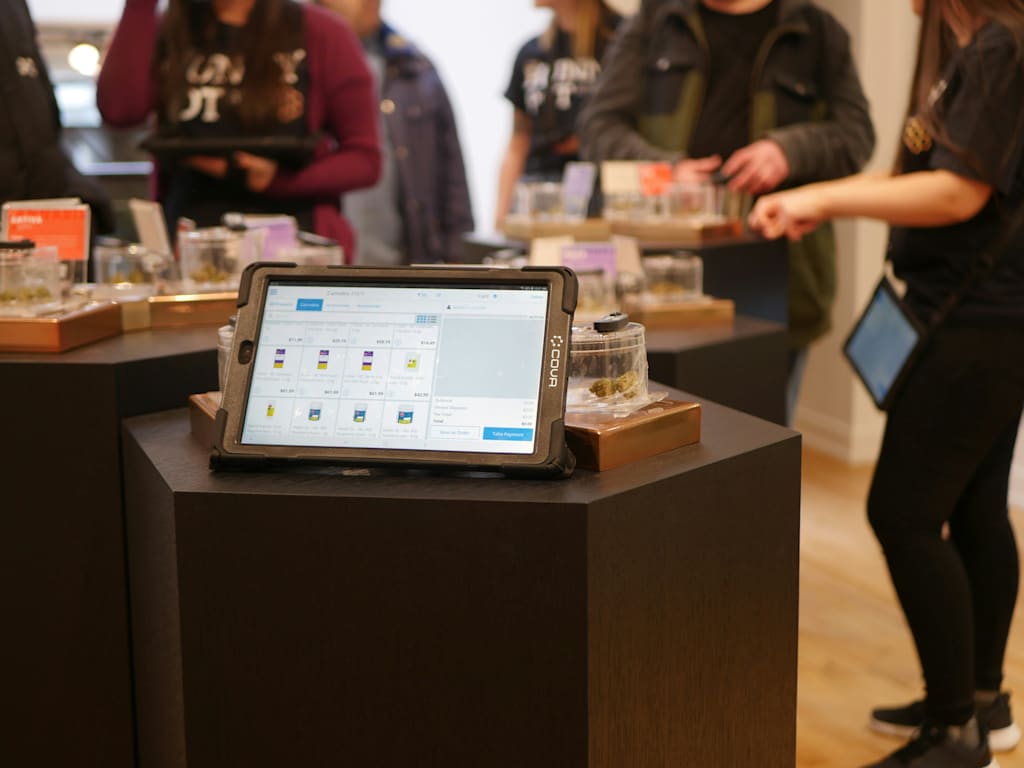
Early retail experience builds entrepreneurial confidence because it introduces individuals to real business environments from the very beginning. First, they learn how daily operations function in practice, including customer service, sales support, and product handling. This direct exposure helps them understand how businesses actually run. Moreover, it connects everyday tasks to larger organizational goals.
At the same time, retail work teaches responsibility in a very practical way. Employees must follow schedules, complete assigned duties, and maintain service standards. Additionally, they learn how consistency affects performance and customer satisfaction. As a result, they begin to develop a strong sense of discipline. When individuals gain this early understanding, they build a foundation for confident business thinking later in life.
Understanding Customers Through Direct Interaction
Retail environments strengthen entrepreneurial confidence by improving customer understanding. First, employees interact with different types of customers throughout their shifts. They observe how people make decisions based on need, preference, and timing. Moreover, they quickly learn that customer behavior can change in different situations.
In addition, retail workers develop communication skills through constant interaction. They answer questions, respond to concerns, and handle complaints with patience. This experience helps them understand emotions and improve their ability to respond appropriately. Consequently, they become more confident in dealing with people. When individuals understand customers well, they gain a stronger foundation for future entrepreneurial success.
Strengthening Decision-Making in Real Situations
Early retail experience builds decision-making skills because it requires quick thinking in real situations. First, employees must solve problems such as pricing confusion, product shortages, or customer requests. They need to act quickly while maintaining service quality. Moreover, they learn how to stay calm under pressure.
At the same time, retail environments rarely provide perfect conditions for decisions. Employees often work with limited time and incomplete information. Additionally, they adjust their actions based on immediate feedback. As a result, they become more confident in their ability to judge situations. When individuals practice decision-making regularly, they develop strong entrepreneurial instincts.
Developing Discipline and Responsibility at Work
Retail experience builds discipline, which plays an important role in entrepreneurial confidence. First, employees must follow work schedules, complete tasks, and meet performance expectations. This structure helps them develop consistency and reliability. Moreover, it teaches them the value of showing up and staying committed.
In addition, employees begin to see how their performance affects the entire business. A small mistake can influence customer experience or team efficiency. Therefore, they learn to stay focused and responsible in every task. They also improve their time management skills through daily routines. As a result, discipline becomes a natural habit. When discipline strengthens, confidence grows as well.
Learning How Business Operations Work Together
Early retail experience helps individuals understand how business operations are connected. First, they observe how products move from storage to display and finally to customers. This process shows how supply and demand function in a real setting. Moreover, it highlights how each step contributes to overall success.
At the same time, they learn how teamwork supports smooth operations. Every employee plays a role in maintaining service quality and customer satisfaction. Additionally, they see how pricing, presentation, and availability influence buying decisions. Consequently, they develop a broader understanding of how businesses function as a system. When individuals understand operations early, they feel more prepared for entrepreneurship.
Improving Communication and Leadership Abilities
Retail experience strengthens communication skills, which are essential for entrepreneurial confidence. First, employees interact with customers and colleagues throughout the day. This constant interaction helps them communicate clearly and confidently. Moreover, they learn how to listen carefully and respond effectively.
In addition, retail environments often require teamwork during busy periods. Employees must coordinate tasks and support one another. This experience helps them develop early leadership awareness. They also learn how to remain calm and guide others when pressure increases. As a result, their leadership abilities grow gradually. When communication improves, confidence in leadership naturally follows.
Building Resilience Through Daily Challenges
Early retail experience builds resilience because challenges are part of everyday work. First, employees face busy hours, demanding customers, and unexpected issues. They must continue working without losing focus or motivation. Moreover, they learn how to manage stress in real time.
At the same time, they experience both positive and difficult outcomes. This balance teaches them that setbacks are normal in business environments. Additionally, they learn how to recover quickly and continue performing effectively. Consequently, they become emotionally stronger and more stable. When individuals build resilience early, they prepare for long-term entrepreneurial demands.
Growing Entrepreneurial Confidence Through Experience
Early retail experience builds entrepreneurial confidence through continuous exposure and learning. First, employees become more comfortable in business settings as they gain experience. This familiarity reduces hesitation and increases self-trust. Moreover, they begin to understand how their actions influence results.
In addition, many employees gradually take on more responsibility over time. This growth helps them recognize their own abilities and progress. They also start making decisions independently with greater confidence. As a result, their entrepreneurial mindset develops naturally. When individuals gain consistent real-world experience, they build lasting confidence for future success.
About the Creator
Michael Kazma
At 22, Michael Kazma is a young entrepreneur working in the retail space. He owns Iowa Custom T-Shirts & Hats in Des Moines, Iowa. He opened his first retail location at 18.
Portfolio: https://michaeldeankazma.com
Enjoyed the story? Support the Creator.
Subscribe for free to receive all their stories in your feed.
Comments