
Developing Empathy Through Healthcare Volunteering
Importance of Empathy in Healthcare

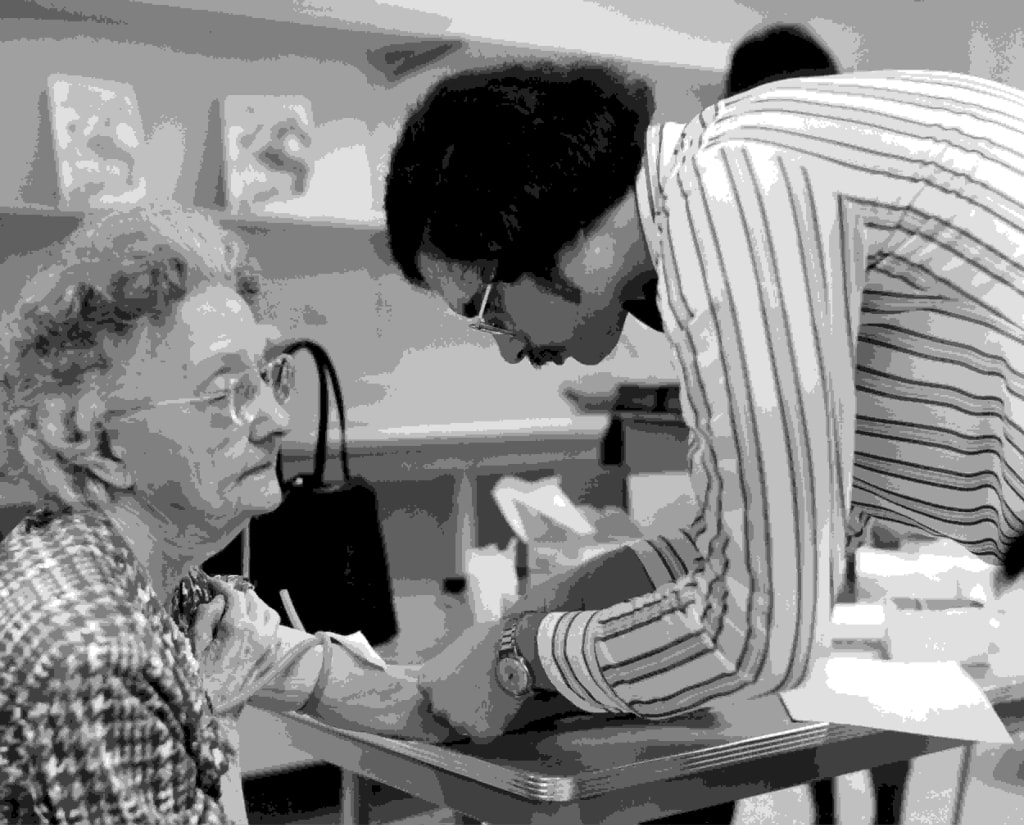
Empathy is one of the most crucial qualities in healthcare. It enables medical professionals to understand and empathize with their patients' feelings, providing a foundation for compassionate care. While many people consider empathy as something innate, it is also a skill that can be developed through experience and practice. Healthcare volunteering is one of the most effective ways to build and strengthen this skill. By interacting with patients from diverse backgrounds and experiencing the challenges they face, volunteers can learn to connect on a deeper emotional level, creating a more meaningful impact in the healthcare field.
The Role of Empathy in Healthcare
Empathy is more than just being kind or sympathetic; it involves a deeper understanding of others' emotions and feelings. It involves truly understanding what another person is going through and responding appropriately. In healthcare, empathy plays a significant role in patient outcomes. When patients feel that their caregivers understand their concerns and are emotionally attuned to their needs, they are more likely to feel comfortable, respected, and supported. This positive emotional environment can lead to improved communication, better adherence to treatment plans, and, in some cases, shorter recovery times.
Healthcare professionals who display empathy often form stronger connections with their patients, which can lead to improved trust and collaboration. This is especially important in settings where patients may be facing significant emotional or physical distress, such as in hospitals, nursing homes, or hospices. However, empathy is not only important for patients—it also helps healthcare workers maintain their emotional well-being by preventing burnout and fostering a sense of satisfaction in their work.
How Volunteering in Healthcare Enhances Empathy
Healthcare volunteering provides individuals with a unique opportunity to practice empathy in real-world settings. By directly engaging with patients and healthcare staff, volunteers can witness firsthand the challenges of providing care and the emotional complexities that accompany it. The experience offers valuable lessons in understanding people’s struggles, vulnerabilities, and resilience.
Volunteering exposes individuals to a diverse range of patients with various medical conditions, backgrounds, and life circumstances. Whether interacting with an elderly patient in a nursing home, assisting a child in a pediatric ward, or helping someone in an emergency room, each experience helps volunteers expand their emotional intelligence. This firsthand exposure to diverse situations builds a stronger sense of empathy by allowing volunteers to see beyond the surface and understand the deeper emotions that patients may be experiencing.
Additionally, volunteering in a healthcare setting often places individuals in challenging situations that require emotional responses. For example, a volunteer might support a patient who has just received bad news, providing a comforting presence during a difficult moment. These types of interactions are invaluable in developing empathy, as they teach individuals how to respond with compassion, sensitivity, and care.
Facing the Challenges of Healthcare Volunteering
While volunteering in healthcare can be highly rewarding, it also presents emotional and psychological challenges. Volunteers are often exposed to patients who are dealing with pain, grief, or life-threatening conditions. They may witness moments of fear or sadness that can be difficult to handle, especially for those new to the healthcare environment. Despite these challenges, volunteers can achieve significant personal growth by learning to manage these emotions in a healthy way.
By facing these emotional challenges head-on, volunteers develop a deeper understanding of human vulnerability. They learn that empathy is not just about providing comfort—it’s about acknowledging the pain or fear of others and offering a compassionate response. Volunteers also learn to manage their own emotions, which can strengthen their emotional resilience. As they witness the effects of illness, injury, and loss on patients and their families, they develop a more profound respect for life and the human condition.
Building Communication Skills Through Volunteering
Effective communication is central to developing empathy. In healthcare, clear and compassionate communication allows providers to understand patient concerns and respond in ways that demonstrate empathy. Healthcare volunteers often work as a bridge between patients and medical professionals, helping to communicate the emotional needs of patients while also ensuring they understand medical instructions. This role allows volunteers to practice active listening and learn how to communicate effectively with people in distressing situations.
Healthcare settings often involve patients who are scared, confused, or in pain. Volunteers who can listen carefully and respond thoughtfully are more likely to make a positive impact. By providing a calm and reassuring presence, they can help alleviate the emotional burden of patients and foster an environment in which empathy can flourish. As they refine their communication skills, volunteers become more adept at navigating complex emotional situations, strengthening their ability to empathize with others in both healthcare and personal contexts.
Empathy and Personal Growth
Beyond the immediate benefits to patients, developing empathy through healthcare volunteering can have a profound impact on the volunteer’s personal growth. When volunteers interact with people from diverse backgrounds and life experiences, they gain new perspectives on their own lives and the communities to which they belong. They begin to see the world through the eyes of others, developing a more nuanced understanding of human experience. This broadened outlook can lead to greater compassion and open-mindedness, not just in healthcare but in everyday life.
Volunteering in healthcare also helps individuals develop a greater sense of purpose. Many volunteers report feeling a deep sense of fulfillment from helping others, especially in situations where they can make a significant difference. Whether it’s assisting with basic needs or offering emotional support, the ability to contribute to someone else’s well-being creates a sense of connection and fulfillment. This can be especially rewarding for individuals considering a healthcare career, as they experience the satisfaction of directly impacting the lives of others.
Long-Term Benefits of Empathy in Healthcare Careers
For those pursuing a healthcare career, developing empathy through volunteering is a crucial step toward success. Healthcare careers—whether in nursing, medicine, or social work—require individuals who can connect with patients on a human level. Empathy enhances the quality of care and improves professional satisfaction, ultimately leading to long-term career success and fulfillment.
As healthcare professionals advance in their careers, they will encounter more complex and challenging situations. Empathy plays a critical role in navigating these situations effectively. For example, a doctor or nurse who can empathize with a patient’s fears and frustrations is better able to communicate difficult information and provide appropriate support. Over time, those who develop empathy early in their careers will likely form stronger relationships with their patients and colleagues, creating a more positive and productive work environment.
Healthcare volunteering is an invaluable experience for anyone looking to develop empathy. Through hands-on interactions with patients and healthcare professionals, volunteers gain insights into the emotional and physical challenges faced by patients. They learn to communicate effectively, manage challenging emotions, and respond with empathy and compassion. For those considering a career in healthcare, volunteering provides an opportunity to develop the emotional intelligence and communication skills necessary to deliver exceptional care. Most importantly, it instills a deep respect for the experiences of others, a vital quality that will continue to shape their careers and lives for years to come.
About the Creator
Xamantha Descallar
Xamantha Descallar is a Microbiology student fluent in English who volunteers at medical centers. She studies nursing, pathology, and forensic science, and enjoys many creative hobbies.
Portfolio: http://xamanthadescallar.com/
Enjoyed the story? Support the Creator.
Subscribe for free to receive all their stories in your feed.
Comments