
Building a Greener Future Through Conservation and Community Action
The Power of Community Partnerships

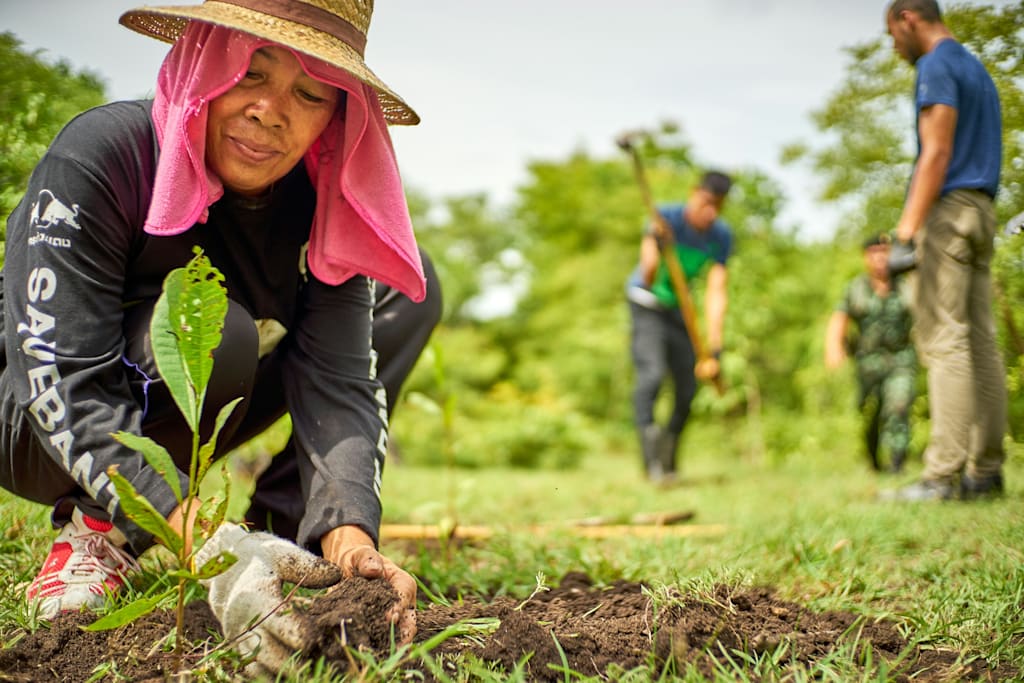
Sustainability has become more than a global trend. It now reflects a growing responsibility shared by businesses, governments, and individuals. Communities across the world face environmental challenges that threaten natural resources, public health, and economic stability. Climate change, pollution, and habitat destruction continue to create serious concerns. At the same time, many organizations are stepping forward with meaningful solutions. They understand that long-term success depends on protecting the planet while supporting the people who live on it. As a result, sustainability efforts now focus on both environmental conservation and stronger communities.
Why Sustainability Matters More Than Ever
Environmental issues continue to affect daily life in many ways. Rising temperatures create stronger storms, longer droughts, and unpredictable weather patterns. In addition, pollution damages air quality and harms public health. Communities that depend on natural resources often face the greatest risks.
Moreover, deforestation and habitat destruction continue to reduce biodiversity. Many animal species lose their natural habitats due to rapid development. When ecosystems suffer, local economies often struggle as well.
At the same time, consumers now expect businesses to take environmental responsibility seriously. People support brands that reduce waste and protect natural resources. Therefore, sustainability has become both an ethical priority and a smart business strategy.
Protecting Natural Resources Through Conservation
Conservation plays a major role in sustainability efforts. Organizations invest in projects that protect forests, wetlands, rivers, and wildlife habitats. These efforts help preserve ecosystems for future generations.
For example, many companies now reduce water consumption through improved technologies. They also limit harmful emissions by adopting cleaner energy sources. As a result, they reduce their environmental impact while improving operational efficiency.
In addition, land conservation programs protect valuable ecosystems from overdevelopment. Communities often partner with environmental groups to preserve parks and natural spaces. These efforts create healthier environments for both wildlife and residents.
Reducing Waste and Promoting Responsible Practices
Waste reduction remains an important part of sustainability. Many businesses now focus on recycling programs and responsible manufacturing methods. They aim to reduce unnecessary materials and lower landfill waste.
Furthermore, companies increasingly use sustainable packaging. They replace single-use plastics with recyclable or biodegradable materials. This change helps reduce pollution.
Consumers also play an important role. Many people choose reusable products and support companies with strong environmental practices. As awareness grows, responsible habits continue spreading across communities.
Strengthening Local Communities
Sustainability involves more than environmental protection. It also requires strong and healthy communities. Organizations often invest in education, healthcare, and economic opportunities that improve the quality of life.
For instance, companies may support local schools, job training programs, and public health initiatives. These investments create long-term benefits for families and neighborhoods.
Additionally, sustainable businesses often prioritize fair wages and safe working conditions. They understand that community well-being directly supports long-term growth. Therefore, social responsibility remains a key part of sustainability efforts.
Encouraging Renewable Energy Solutions
Renewable energy continues driving major sustainability improvements. Many organizations now invest in solar, wind, and hydroelectric power. These alternatives reduce dependence on fossil fuels.
Moreover, renewable energy lowers greenhouse gas emissions. This helps slow climate change and improve air quality. Businesses that adopt clean energy often reduce long-term operating costs.
Communities also benefit from local renewable projects. New energy investments often create jobs and strengthen local economies. As technology improves, renewable energy will become even more accessible.
Looking Toward a Sustainable Future
Successful sustainability efforts often rely on collaboration. Businesses, nonprofit organizations, and local leaders frequently work together to solve environmental challenges.
For example, community cleanup events bring residents together to protect local parks and waterways. Educational programs also help people understand sustainable living practices.
In addition, partnerships often create stronger long-term solutions. Shared resources and knowledge allow communities to address environmental concerns more effectively. Cooperation remains essential for meaningful progress.
Sustainability requires long-term commitment and consistent action. Environmental conservation protects natural resources, while community investment strengthens society. Together, these efforts create lasting benefits.
As more organizations embrace sustainability, positive change continues growing. Businesses can lead through responsible practices, and communities can support meaningful initiatives. Most importantly, individuals can make everyday choices that protect the planet.
A greener future depends on shared responsibility. Through conservation and community action, society can build a healthier world for future generations.
About the Creator
Abba Leffler
Abba Leffler, has long been driven by a desire to connect the precision of computational science with the complexity of biological systems.
Portfolios: https://www.abbaleffler.com/ & https://abbalefflerny.com/
Enjoyed the story? Support the Creator.
Subscribe for free to receive all their stories in your feed.
Comments