
Best Time for Mardi Himal Trek: A Complete Seasonal Guide
The Hidden Beauty of Mardi Himal Trek
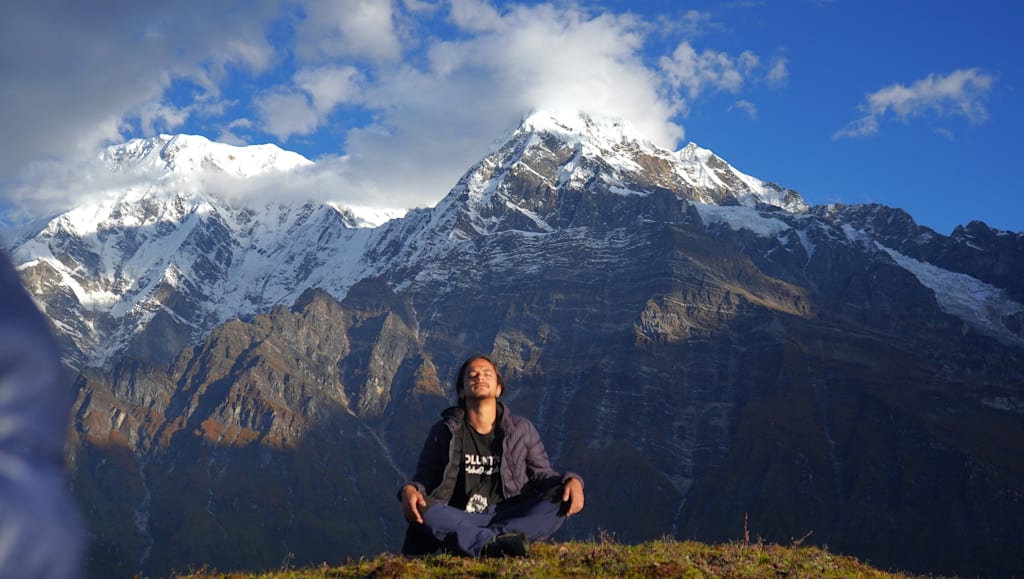
Tucked away in the shadow of the great Annapurna massif, the Mardi Himal Trek is one of Nepal's most quietly spectacular journeys — a trail that rewards patience, preparation, and above all, an understanding of the mountain's moods. Unlike the more crowded Annapurna Circuit or the Poon Hill route that draws tens of thousands of visitors each year, Mardi Himal remains a place where the Himalayan wilderness feels genuinely untouched. Rhododendron forests thick with moss give way to ridgelines that seem to hover between earth and sky, and the summit views of Mardi Himal itself, along with Machapuchare, Annapurna South, and Hiunchuli, are among the finest in the entire Annapurna region. But this trail, like every Himalayan route, is profoundly shaped by the seasons. The difference between a transcendent trek and a frustrating, potentially dangerous one often comes down to a single question: when did you go?
Altitude and Climate: Living with the Mountain’s Conditions
The Mardi Himal Trek sits at altitudes ranging from roughly 1,070 metres at the trailhead near Kande to approximately 4,500 metres at the High Camp, with the trek itself pushing close to 4,700 metres at its highest viewpoint. At these elevations, the atmosphere is not merely a backdrop — it is an active participant in your journey. Temperature swings of twenty degrees between noon and midnight are normal. Monsoon clouds can roll in within minutes and reduce visibility to a few metres. Winter storms can dump half a metre of snow on the upper ridges overnight. The seasons in this part of the Himalayas are not gentle suggestions but governing forces, and any seasoned Nepali guide will tell you that the mountain does not negotiate.
Seasons in Nepal: Understanding the Himalayan Calendar
Nepal's climate is broadly divided into four seasons: spring (March–May), monsoon (June–August), autumn (September–November), and winter (December–February). Each season transforms the Mardi Himal landscape in profound ways, and each offers its own beauty alongside its own challenges. The question of the best time to trek is therefore not a single answer but a constellation of factors — your tolerance for cold, your desire for solitude, your sensitivity to altitude sickness, and your expectations of trail conditions.
Spring (March–May): Rhododendrons and Clear Trails
Spring is one of the most beautiful seasons on the Mardi Himal Trek. As winter recedes, rhododendron forests burst into vibrant shades of red, pink, and white, turning the trail into a natural garden. Wildlife activity increases, and the mornings often bring clear skies with excellent mountain visibility.
Temperatures are generally mild at lower elevations, while higher camps remain cold, especially at night. Snow may still be present in early spring, adding both challenge and beauty to the upper sections. However, as May approaches, pre-monsoon clouds begin to build, occasionally affecting visibility and trail conditions.
Monsoon (June–August): Rain, Risk, and Raw Wilderness
The monsoon season brings heavy rainfall, leeches, slippery trails, and reduced visibility. Landslides and road disruptions can occur in lower regions, making travel more unpredictable. For most trekkers, this is not the ideal season.
However, the landscape becomes incredibly lush and green, waterfalls are at their most powerful, and the trail is almost empty. For experienced trekkers seeking solitude and raw Himalayan nature, the monsoon offers a very different kind of experience.
Autumn (September–November): The Perfect Trekking Season
Autumn is widely regarded as the best season for the Mardi Himal Trek. After the monsoon clears, the air becomes crisp and clean, offering some of the clearest mountain views of the year. October is especially considered the peak month, with stable weather, excellent visibility, and comfortable trekking conditions.
Daytime temperatures are ideal, while nights at higher altitude can be cold but manageable. Trails are in excellent condition, teahouses are fully operational, and the Himalayan panorama is at its most dramatic.
Winter (December–February): Silence, Snow, and Extreme Conditions
Winter transforms Mardi Himal into a remote and challenging environment. Heavy snowfall covers the upper trails, temperatures drop significantly, and many teahouses close for the season. Only experienced trekkers or those on fully supported expeditions attempt the route during this time.
Despite the harsh conditions, winter offers unmatched solitude and crystal-clear skies. The snow-covered mountains create a surreal and breathtaking landscape, rewarding those prepared for extreme cold.
Month-by-Month Trekking Conditions on Mardi Himal
Each month offers a different experience shaped by temperature, visibility, and trail conditions. Spring and autumn remain the most balanced seasons, while monsoon and winter are suited only for experienced adventurers.
Challenges on the Trail: Weather, Altitude, and Terrain
The Mardi Himal route is shaped by unpredictable mountain weather, altitude-related risks, and steep terrain. Proper acclimatization, physical fitness, and preparation are essential for a safe and enjoyable journey.
Best Time to Trek Mardi Himal: Expert Recommendation
For most trekkers, October is the best overall time due to stable weather and clear mountain views. March and April are also excellent, especially for those who want to experience blooming rhododendron forests.
Final Thoughts: Respecting the Rhythm of the Himalayas
Whatever the season, the Mardi Himal Trek demands respect. The mountain operates on its own rhythm, shaped by natural forces far beyond human control. Those who align their journey with these rhythms are rewarded with one of the most unforgettable trekking experiences in the Himalayas.
About the Creator
High Route Adventure
Based in Mitranagar-26, Gongabu, we offer authentic Himalayan treks from Everest Base Camp to Upper Dolpo. With expert guides, reliable planning, and sustainable tourism, we ensure safe, memorable adventures for every traveler.
Enjoyed the story? Support the Creator.
Subscribe for free to receive all their stories in your feed.
Comments
There are no comments for this story
Be the first to respond and start the conversation.