
Best Time for Kanchenjunga Circuit Trek: A Complete Seasonal Guide
Kanchenjunga Circuit Trek
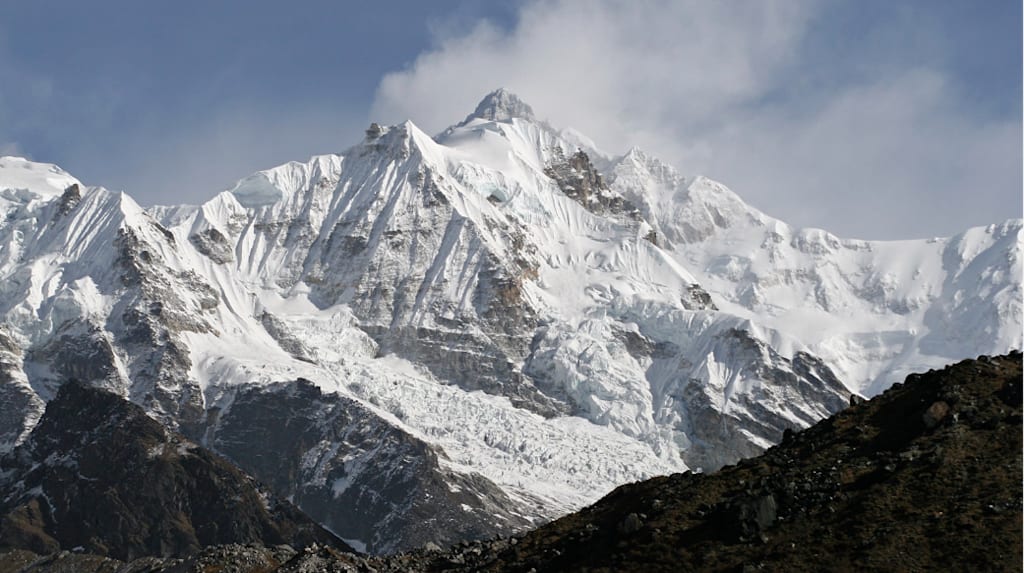
Where the Himalaya Ends and the Wild Begins
There is a remote corner of eastern Nepal that very few trekkers ever reach. In this region, roads gradually turn into rough mountain tracks. Those tracks slowly become narrow footpaths through remote villages. Eventually, the footpaths disappear completely into high Himalayan wilderness.
This is the Kanchenjunga region, one of Nepal’s most isolated trekking areas. The Kanchenjunga Circuit Trek circles the massive Kanchenjunga peak. Kanchenjunga rises to an altitude of 8,586 metres above sea level.
It is recognized as the third highest mountain in the world. The circuit is long, remote, and physically very demanding. It is not suitable for casual or inexperienced trekkers. The full circuit normally takes around 20 to 24 days to complete.
It crosses high mountain passes above 5,000 metres in elevation. Key passes include Sele La and Mirgin La on the route. The trek passes through extremely isolated Himalayan villages and valleys.
This journey is considered a true wilderness trekking experience in Nepal. Season plays a critical role in the success of this trek. Weather conditions directly affect safety, visibility, and trail accessibility.
In the Himalaya, conditions can change quickly within a single day. Understanding seasonal patterns is essential before planning the journey.
Understanding the Geography That Shapes the Seasons
Kanchenjunga is located in Taplejung District in far eastern Nepal. It lies close to the borders of Sikkim and West Bengal in India. This eastern Himalayan position strongly influences its climate patterns throughout the year.
The region is heavily affected by the South Asian monsoon system. Moisture arrives from the Bay of Bengal during the monsoon season. The massive Kanchenjunga range blocks and traps incoming rain clouds.
As a result, southern slopes receive extremely high rainfall each year. Annual rainfall in some areas can exceed three metres per year. Northern valleys receive slightly less rain but are still strongly affected.
The monsoon impact is visible across the entire trekking route. The trek also covers a huge elevation range from low to high altitude. It begins near 1,000 metres in subtropical river valleys and climbs upward.
It reaches over 5,000 metres in high alpine and glacial environments. This elevation change creates multiple climate zones along the same route. Lower areas can feel warm, humid, and forested during the day.
Higher camps are cold, windy, and often covered in snow. Weather conditions can change dramatically within just a few hours of walking.
Spring: Flowers, Clarity, and the Race Against Monsoon
Spring in the Kanchenjunga region lasts from March to May each year. It is widely considered one of the best trekking seasons in Nepal. March begins with melting snow in higher altitude sections of the trail. Lower valleys are already green and slowly coming back to life.
Some higher passes may still hold deep winter snow during early spring. Rhododendron forests bloom across the mid-hill sections of the trek. These forests create some of the most beautiful scenery in the Himalaya. The landscape becomes filled with bright colours and rich biodiversity.
April is generally the best month in the spring season. High passes become more stable and easier to cross safely. Mountain visibility is often excellent during clear morning hours. Daytime temperatures remain comfortable for long trekking hours.
However, nights at higher altitude remain very cold throughout spring. Snow can still appear in some sections during early spring weeks. May brings increasing weather instability as the monsoon approaches.
Afternoon clouds become more frequent across the trekking route. Pre-monsoon rainfall can begin earlier in some years. Late May conditions can become unpredictable and sometimes risky.
Weather patterns may change quickly without much warning. Careful planning and timing are important during this period.
The Monsoon: Rain, Risk, and Solitude
The monsoon season in Kanchenjunga lasts from June to August. During this time, rainfall is heavy, continuous, and often intense. Trails become muddy, slippery, and difficult to navigate safely.
Rivers swell rapidly and can become dangerous crossing points. Landslides are a real and recurring risk in several sections.
Leeches are commonly found in the lower forested areas. They become a daily challenge for trekkers during monsoon months.
Walking conditions are generally slow and physically demanding. High mountain passes often become unsafe or completely inaccessible.
Many teahouses in upper regions close during the monsoon period. The trekking infrastructure becomes limited in higher elevations. Despite the challenges, the landscape becomes extremely lush and green.
Waterfalls are at their most powerful and visually impressive state. The region feels very wild, raw, and untouched by tourism.
Very few trekkers visit Kanchenjunga during the monsoon season. This creates a rare sense of complete isolation and silence. Only highly experienced trekkers attempt this season intentionally.
Autumn: The Golden Season of the Himalaya
Autumn runs from September through November in the Kanchenjunga region. It is considered the most reliable and popular trekking season.
The monsoon usually withdraws completely by mid to late September. Skies clear quickly and visibility improves across the entire region.
Air becomes dry, crisp, and very stable for trekking conditions. October is widely regarded as the best month for this trek. Weather is generally stable, dry, and highly predictable throughout the month.
Mountain views are extremely sharp and consistently impressive. Daytime temperatures are comfortable across most of the trekking route. Nights become cold at higher elevations but remain manageable.
Trail conditions are generally at their best during this period. November continues to offer good trekking conditions in early weeks. However, temperatures begin to drop more significantly as the month progresses. Snowfall becomes more likely in higher passes and exposed sections.
October: Peak Trekking Conditions
Early October may still experience occasional cloud cover and light moisture. However, conditions improve steadily as the month progresses forward. By mid to late October, weather stability reaches its peak.
Visibility is among the best found anywhere in the Himalaya. Mountains appear extremely clear and sharply defined from all viewpoints. Trails remain dry and in excellent walking condition throughout the region.
Visitor numbers remain relatively low compared to Everest and Annapurna regions. The circuit still maintains a strong sense of remoteness and solitude.
Winter: Extreme Cold and Isolation
Winter in Kanchenjunga lasts from December through February each year. It is one of the harshest trekking periods in the Himalaya. High mountain passes become deeply covered in snow and ice.
Temperatures at altitude can drop below minus 25 degrees Celsius. Strong winds significantly increase the difficulty and danger level. Most teahouses along the upper route close during winter months.
Upper sections of the circuit become largely inaccessible for trekking. Only lower valleys remain suitable for limited travel. This season is suitable only for highly experienced winter trekkers.
Most visitors avoid Kanchenjunga during the winter season entirely. Conditions are too extreme for normal trekking operations. However, the region offers complete solitude and silence.
Skies are often extremely clear on stable winter days. The landscape feels raw, empty, and deeply powerful.
The High Passes: Key Route Challenges
Sele La and Mirgin La are the main high passes on this route. They determine whether the full circuit is possible each season. These passes are usually open from April through November each year.
Snow and ice conditions vary significantly depending on annual weather patterns. Early spring crossings can still be difficult in heavy snow years.
Late autumn crossings may become icy and technically challenging. Local guide knowledge is extremely important for safe passage. Conditions can change rapidly in this high mountain environment.
Permits and Travel Logistics
Kanchenjunga requires special trekking permits for all foreign visitors. A licensed guide is mandatory for all trekking groups in this region. The journey to Taplejung is long and logistically demanding.
Flights depend heavily on weather conditions and can be delayed. Overland travel typically requires two full days from Kathmandu. Extra buffer days should always be included in travel planning. Delays are common due to weather and terrain conditions.
What to Pack by Season
Spring requires warm clothing and reliable cold-weather gear. Autumn also demands strong insulation for high altitude nights. Sleeping bags must handle freezing temperatures comfortably.
Sun protection is essential due to strong high-altitude UV exposure. Waterproof clothing is required in all seasons of the trek. Snow gear may be necessary during shoulder season crossings.
Hiring porters is strongly recommended for most trekkers. Daily distances and altitude changes can be physically demanding.
Best Time to Visit
October is the most recommended month for the Kanchenjunga Circuit. It offers the best combination of weather stability and visibility. April is the best option for spring trekking conditions.
It offers rhododendron blooms and relatively stable weather. Monsoon and winter are extreme seasons in this region. They are suitable only for highly experienced adventurers.
Final Thoughts
The Kanchenjunga Circuit is a true wilderness trekking experience. It is not designed for comfort or convenience.
The mountain follows its own natural seasonal rhythm. Weather conditions determine safety and overall experience.
Proper timing is essential for a successful journey. The right season transforms this trek into an unforgettable adventure.
About the Creator
High Route Adventure
Based in Mitranagar-26, Gongabu, we offer authentic Himalayan treks from Everest Base Camp to Upper Dolpo. With expert guides, reliable planning, and sustainable tourism, we ensure safe, memorable adventures for every traveler.
Enjoyed the story? Support the Creator.
Subscribe for free to receive all their stories in your feed.
Comments
There are no comments for this story
Be the first to respond and start the conversation.