
The Healing Power of Nature
How Spending Time Outdoors Improved My Mental Health

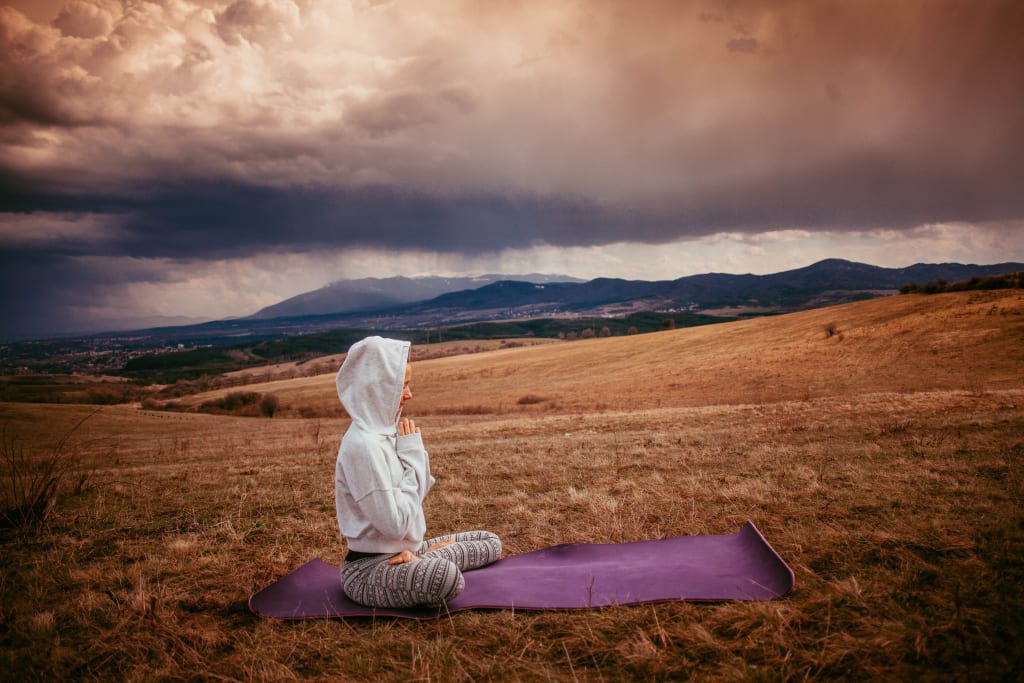
Intro:
I've always loved spending time in nature, whether it's hiking through a forest, swimming in the ocean, or simply sitting outside and taking in the beauty around me.
But it wasn't until I was going through a particularly challenging time in my life that I realized just how powerful nature can be when it comes to improving mental health.
Body:
The story would begin by describing the author's struggles with mental health, such as depression, anxiety, or other issues.
They could describe how they felt stuck in a negative cycle, unable to break free from the grip of their own thoughts and emotions.
It could be a deeply personal account of the challenges they faced, including any therapy or medication they tried to alleviate their symptoms.
From there, the story would describe how the author discovered the healing power of nature. They could describe a specific experience, such as a weekend camping trip or a daily walk in the park, where they felt a profound sense of calm and peace.
They could describe how being surrounded by the beauty and serenity of the natural world helped them to quiet their mind, relax their body, and find a sense of purpose and connection that they had been missing.
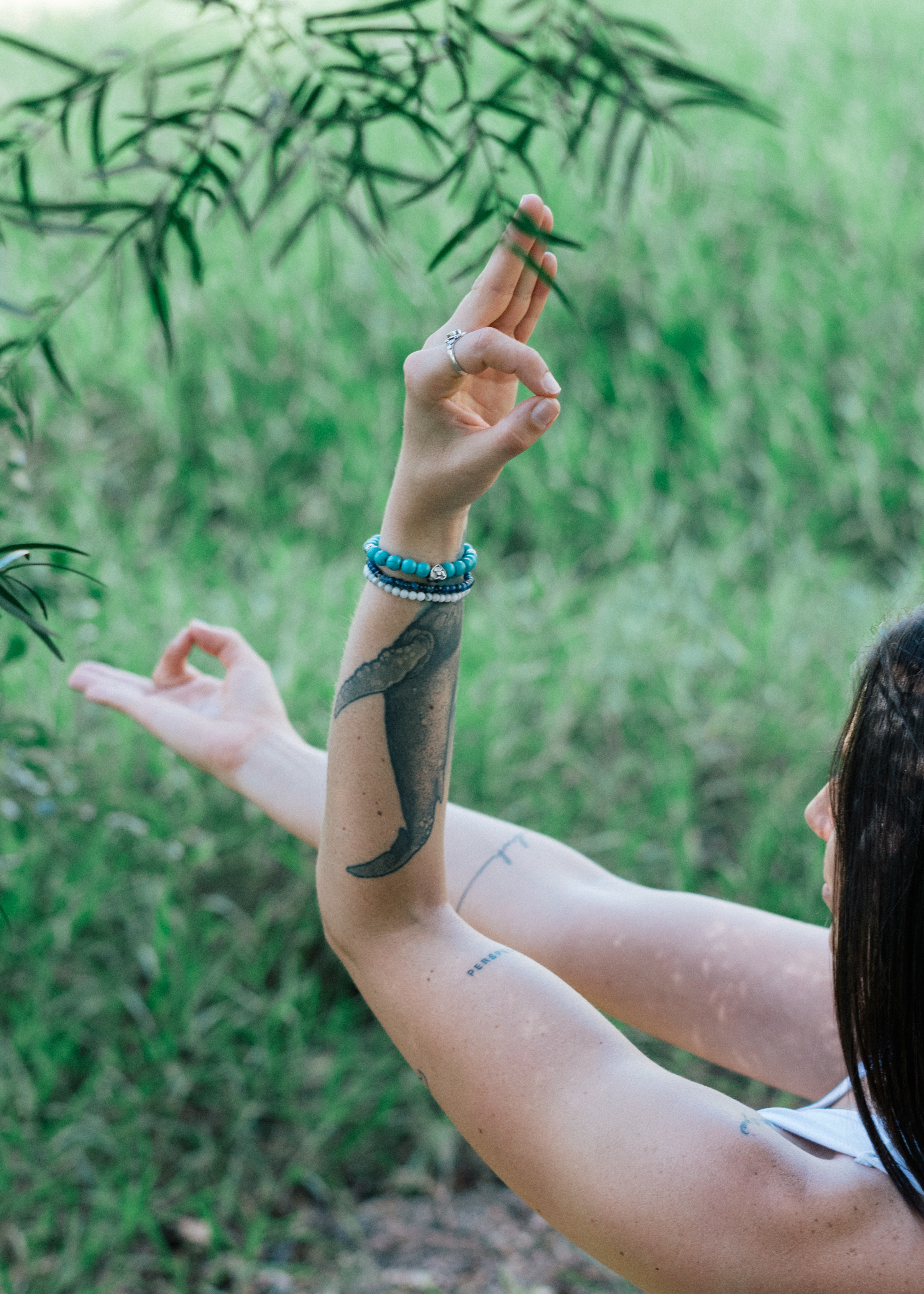
The story could also explore some of the science behind the healing power of nature, such as how being in nature can reduce stress hormones, lower blood pressure, and improve mood.
The author could cite research studies or expert opinions to back up their personal experience and provide readers with more information on why nature is such a powerful tool for mental health.
From there, the story could offer practical tips and advice for readers who want to incorporate nature into their own mental health routine.
The author could recommend specific activities, such as hiking, gardening, or birdwatching, and provide tips for how to make the most of these experiences. They could also offer advice for how to overcome any barriers, such as lack of access to nature or fear of being outside, and provide resources or support for readers who need it.
Conclusion:
The story would wrap up by reflecting on the transformative power of nature and how it can be a powerful tool for improving mental health.
The author could encourage readers to make time for nature in their own lives, even if it's just a few minutes outside each day, and remind them that the benefits of nature are available to anyone, regardless of their background or circumstances.
The story would leave readers feeling inspired and motivated to explore the healing power of nature for themselves.
Nature as a Source of Mindfulness and Self-Awareness:
Spending time in nature can help us become more mindful and aware of our thoughts and emotions.
When we disconnect from technology and the demands of daily life and spend time in nature, we become more present in the moment and more attuned to our own needs.
This can lead to greater self-awareness and a deeper understanding of ourselves and our place in the world.
Nature and Social Connection:
Spending time in nature can also be a powerful way to connect with others. Whether it's through hiking with friends or joining a nature-based community group, being in nature can provide opportunities for meaningful social connections and a sense of belonging.
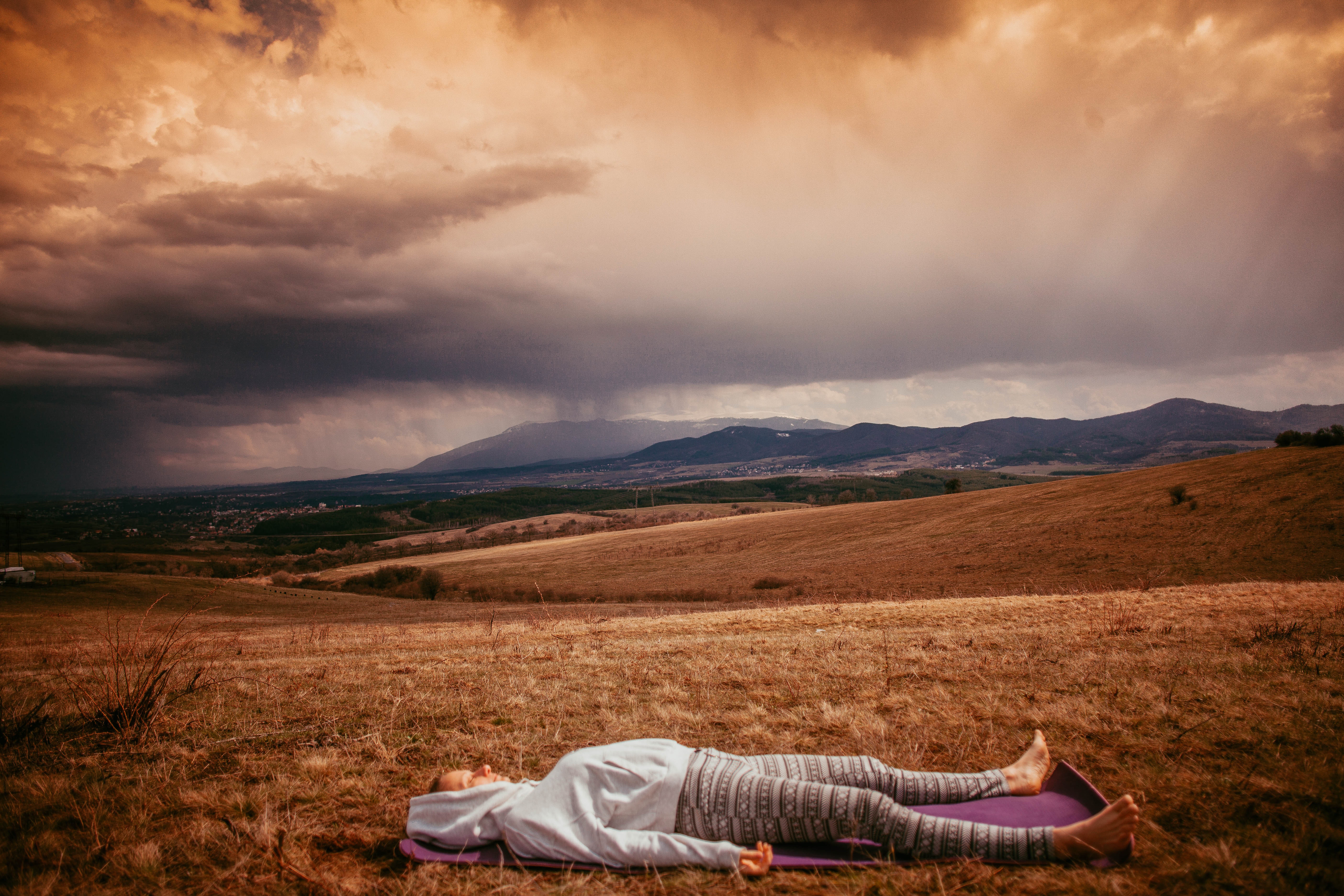
Nature as a Source of Inspiration and Creativity:
Nature has long been a source of inspiration for artists, writers, and musicians. Spending time in nature can help to spark creativity and imagination, and can provide a rich source of inspiration for creative projects.
The Benefits of Different Types of Natural Environments: While spending time in any natural environment can be beneficial for mental health, different types of natural environments can have unique benefits.
For example, spending time in forests has been shown to reduce stress and improve mood, while spending time near bodies of water can be calming and restorative.
How to Incorporate Nature into Daily Life:
For many people, incorporating nature into daily life can be a challenge. However, there are many simple ways to bring nature into our daily routines, such as taking a walk in a local park or nature reserve, growing plants or a vegetable garden, or even just spending time outside during lunch breaks or after work.
Nature-Based Therapy and Interventions:
Nature-based therapy and interventions are becoming increasingly popular as a way to support mental health. This can include activities such as ecotherapy, wilderness therapy, and horticultural therapy, which all use nature as a tool for healing and growth.
The Importance of Conservation and Sustainability:
As we recognize the many benefits of nature for mental health, it's important to also consider our impact on the environment and work towards conservation and sustainability. Protecting natural environments and minimizing our impact on the planet can ensure that future generations can continue to benefit from the healing power of nature.
About the Creator
Sham gowtham
This is Gowtham. I am a content creator. I want to look out at the world in my own way. So I invite all of you to join my world
Enjoyed the story? Support the Creator.
Subscribe for free to receive all their stories in your feed.
Comments
There are no comments for this story
Be the first to respond and start the conversation.