health
Health hacks for optimal performance; discover simple suggestions and habits to improve your life, body, mind and spirit.
How to stay calm when you know you'll be stressed
Several years ago, I found myself in a predicament where I had broken into my own house. It had been a freezing winter night in Montreal, and I had just returned home from visiting my friend across town. I was about to head to Europe the next morning, so I needed to grab my passport and suitcase. However, when I arrived home, I realized that I didn't have my keys with me. I tried all the other doors and windows, but they were locked tightly. I couldn't go back to my friend's house as I had an early flight, and I didn't want to wait for a locksmith to arrive. So, I resorted to breaking into my house through the basement window with a large rock. I cleared out the shards of glass, crawled through, and taped a piece of cardboard over the opening. The next morning, I had to rush to the airport, but I realized that I had forgotten my passport. I raced back home, got my passport, and rushed back to the airport. Unfortunately, I missed my flight, and I had to take the back seat of the plane for an eight-hour flight. That's when I started thinking about ways to prevent bad things from happening and minimize the damage if they do happen.
By David Udoh3 years ago in Lifehack
Unveiling the Diet of a Harvard and MIT Scientist
Introduction In a world teeming with advice on how to enhance cognitive abilities, the quest for optimal brain health often leads individuals down a labyrinth of options, from memory games to high-tech gadgets. However, according to experts like Dr. Jeffery Karp, a biomedical engineer affiliated with Harvard and MIT, the key to unlocking your brain's potential lies in the foods you consume daily. With insights from Dr. Karp's upcoming book, "LIT: Life Ignition Tools," we delve into his meticulously crafted diet designed to ignite brainpower and foster overall well-being.
By Swaroop wekhande3 years ago in Lifehack
Facing Dark Nights
For me, exploring life's bigger questions began gradually through small conversations and personal experiences over time. Growing up, my family didn't actively practice any particular faith, so I wouldn't say I was raised with strong religious beliefs. It wasn't until college that I really started examining different philosophies and traditions. My classes covered fascinating perspectives on ethics, spirituality and humanity's place in the world. Discussing these ideas with classmates and professors helped me look inward to clarify my own values. Around that same period, I went through some difficult personal challenges that really tested me. Struggling on my own only highlighted how much I took my support systems for granted. That's when I began seeking out communities where I could find strength, hope and fellowship during harder seasons of life. One group in particular resonated with me - they emphasized compassion, personal growth and serving others without judgment. Their openness and encouragement and helped me work through my struggles. Interacting with people who genuinely cared, without wanting something in return, meant the world. Over the ensuing years, life continued throwing its share of ups and downs my way. But what stayed consistent was that as I faced challenges, I found solace in return by supporting others through theirs. The shared experiences of helping one another through both happiness and heartache revealed spirituality's role in cultivating human resilience and connection. Nowadays, while I'm still learning and evolving, I feel grounded having found a personal philosophy of life focused on gratitude, empathy and impacting positively each day. My journey reminded me that exploring life's mysteries isn't about having answers, but cultivating wonder - and contributing to others' wonders along the way.
By steven harrison3 years ago in Lifehack
Spirituality
Introduction: The Spiritual Resurgence 1. The contemporary significance of spirituality is emphasized by its role in meeting the unaddressed needs of individuals in the 21st century (Tacey, 2003). This is particularly evident in the rise of a more personalized religious experience. The diversity of views on spirituality highlights its contemporary relevance (Ramezani, 2016) both in religious and secular spheres. The culture of contemporary spirituality is seen as a potential force for sustainable development, although it also poses specific risks (Witt, 2011). Additionally, the emergence of a new generation of progressive religious thinkers further underlines the contemporary significance of spirituality (Lynch, 2007).
By Miss Shamim Akhtar3 years ago in Lifehack
Unleashing the Power of Curcumin: Enhancing Absorption for Optimal Health Benefits
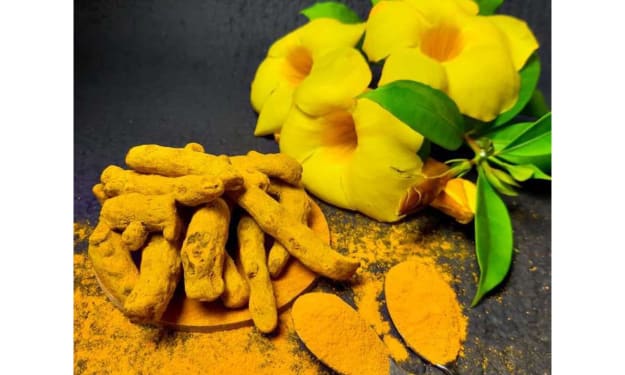
In the domain of normal cures, barely any substances hold as much commitment and interest as curcumin. Tracked down in turmeric, a staple zest in numerous foods, curcumin has collected consideration for its potential medical advantages, going from calming properties to potential disease battling capacities. In any case, notwithstanding its exceptional traits, curcumin faces a huge test: unfortunate retention and bioavailability. Defeating this obstacle is fundamental to opening its full remedial potential and saddling its advantages for sickness counteraction and treatment.
By Rupali Rege3 years ago in Lifehack
Holistic Health
Introduction 1. Holistic health encompasses a range of factors like lifestyle, quality of life, and personal growth (Ventegodt, 2004). It considers the whole person, including mind, body, heart and spirit (Wade, 2009). Holistic health improvement can be achieved through a comprehensive understanding of illness, the recognition of social determinants of health, and the implementation of a wide range of interventions (Wade, 2009).
By Miss Shamim Akhtar3 years ago in Lifehack
5 Yoga Poses to Help You Sleep Better
· Introduction In today's fast-paced world, a good night's sleep can feel like a luxury. Stress, anxiety, and an overactive mind can often disrupt our sleep patterns, leaving us feeling exhausted and drained. Fortunately, there are natural remedies that can help promote a restful night's sleep, and one of the most effective approaches is through the practice of yoga. In this blog post, we will explore five yoga poses specifically designed to calm the mind, relax the body, and promote better sleep. By incorporating these poses into your bedtime routine, you can create a peaceful sanctuary for rejuvenation and wake up feeling refreshed and ready to take on the day.
By Ahmed Mohammed3 years ago in Lifehack
The Art of Italian Cuisine
Italian cuisine, a testament to the country's rich cultural heritage and culinary diversity, has long captivated food lovers around the globe. From the bustling streets of Naples to the serene landscapes of Tuscany, each region of Italy boasts its unique flavors, techniques, and traditions. This article embarks on a gastronomic journey, exploring the quintessential dishes that define the essence of Italian cooking, inviting you to experience the true soul of Italy, one plate at a time.
By Bake Up | Food Recipes | Cooking Tips3 years ago in Lifehack
Herbs That Will Protect From The Flu
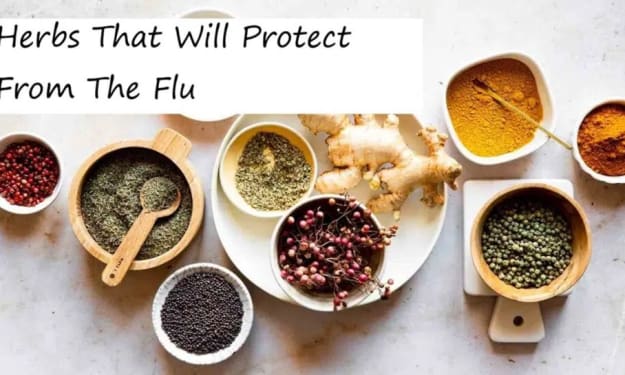
Title: The Power of Nature: Herbs That Protect Against the Flu Introduction: In the face of seasonal influenza outbreaks and the ever-looming threat of new viral strains, bolstering our immune systems naturally has gained significant attention. Among the various approaches, harnessing the power of herbs stands out as a time-honored method for fortifying the body's defenses. These herbs, with their potent antiviral and immune-boosting properties, offer a compelling alternative or complement to conventional flu prevention strategies. Let's delve into eight remarkable herbs renowned for their ability to protect against the flu.
By Kavya Organic Garden3 years ago in Lifehack
Human Plague Death in New Mexico
Introduction The recent occurrence of a human plague death in New Mexico has sparked concerns among health officials and the public alike. While plague may seem like a relic of the past, it continues to pose a threat in certain regions, highlighting the importance of understanding this disease and its implications.
By niskrity mondal3 years ago in Lifehack
Dare to Drink Viper Venom?...
In a world teeming with life, there exists a fascinating array of creatures armed with substances that can instigate harm with a mere touch or bite. These toxins, wielded by some of nature's most venomous inhabitants, serve as both a defense mechanism and a means of securing prey. Yet, beyond their potential for danger, these toxins harbor a wealth of scientific intrigue, offering insights into the complex mechanisms of life and evolution. Imagine a scenario where two glasses stand before you—one filled with acidic milk and the other brimming with the venom of one of the world's deadliest snakes, the Vipera aspis. While the milk may evoke discomfort, the snake's venom, a specialized protein, poses no immediate threat unless it breaches the bloodstream. Herein lies the distinction between toxicity and venom: passive release versus active injection, respectively. Venomous creatures, ranging from serpents and arachnids to insects and marine life, have evolved a myriad of strategies to wield their potent toxins. Whether for subduing prey or deterring predators, these toxins showcase the remarkable adaptability and diversity of life on our planet. Consider the humble dart frog, endemic to the jungles of South America. Despite its diminutive size, its skin secretes one of the most potent toxins known to man. The mere contact with its skin can induce severe reactions in humans, underscoring the potency of nature's biochemical arsenal. In contrast, venomous creatures like snakes and scorpions deliver their toxins directly into the bloodstream through bites or stings. This mode of delivery allows for swift and targeted incapacitation of prey, exemplified by the infamous box jellyfish, whose sting injects a potent neurotoxin capable of inducing rapid and severe medical conditions in both sea creatures and humans alike. The puffer fish, revered as a delicacy in Japanese cuisine, harbors a toxin so potent that mishandling during preparation can prove fatal. Its venom, concentrated in its spines, is more lethal than cyanide, serving as a potent deterrent against would-be predators. Beyond the realm of predation, toxins have found unexpected applications in medicine. Compounds derived from the venom of creatures like the Gila monster—a venomous reptile—show promise in treating conditions such as diabetes, highlighting the potential therapeutic value inherent in these seemingly lethal substances. The intricacies of toxin composition and function reflect the diverse ecological niches and evolutionary pressures faced by venomous organisms. From adapting to changing prey populations to warding off competing rivals, these creatures wield toxins honed by millennia of natural selection. Yet, the story of toxins extends beyond the confines of modern-day ecosystems. Evidence suggests that ancient creatures, including dinosaurs, may have possessed venomous adaptations—a tantalizing glimpse into the deep evolutionary history of these biochemical weapons.
By Joey Randy 3 years ago in Lifehack