health
Health hacks for optimal performance; discover simple suggestions and habits to improve your life, body, mind and spirit.
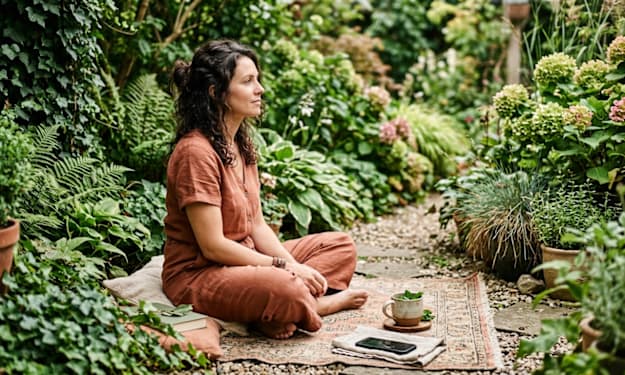
How Just 15 Minutes of Yoga Daily Can Improve Your Life
How Just 15 Minutes of Yoga Daily Can Improve Your Life For the longest time, I believed that improving my health required big changes—long workouts, strict routines, and a level of discipline I wasn’t sure I had. The idea of setting aside an hour every day for exercise felt overwhelming, and because of that, I kept delaying it.
By Aris Thomas5 months ago in Lifehack
Leading with Heart: Shenise James-Dubose and the Future of Senior Healthcare
In an era where healthcare systems are often stretched and impersonal, professionals who lead with compassion and integrity stand out more than ever. Among them is Shenise James-Dubose, a dedicated registered nurse based in Dundalk, Maryland, whose work in senior healthcare is making a lasting impact on patients, families, and the broader community. Her commitment goes beyond clinical duties—she represents a model of care that prioritizes dignity, understanding, and human connection.
By ORM_Specialist5 months ago in Lifehack
The Analog Fortress: How to Build a Digital Detox Practice That Actually Lasts
The problem with digital detox advice is that most of it is designed for people who have already decided to change, which means it is designed for people who are motivated enough to have already tried and failed. The person who reads an article about digital detox is usually not the person who has never considered putting down their phone. They are the person who has put down their phone, felt good for two hours, picked it up again, and felt vaguely ashamed about the whole thing.
By Mxolisi Makhubela5 months ago in Lifehack
Birth Control Options After Abortion
Planning for reproductive health after pregnancy termination requires immediate attention after the procedure. For instance, fertility returns soon after a successful abortion, so choosing birth control early matters to prevent another unplanned pregnancy. In this blog, we will discuss the different birth control options after abortion which you can look for.
By Sophia Smith5 months ago in Lifehack
I Tried Waking Up at 5 AM for 7 Days—Here’s What Actually Happened
I used to hear it everywhere. “Wake up at 5 AM and your life will change.” “Successful people start their day early.” “Morning discipline builds success.” After hearing this repeatedly, I decided to test it myself instead of just believing it. Not for motivation. Not for a trend. But for a full 7 days of waking up at 5 AM. I expected instant productivity, energy, and control over my life. What I experienced was far more realistic—and far more challenging. Day 1: The First Reality Check The first alarm at 5 AM felt unnatural. When it rang, my mind immediately said “no.” I hit snooze without thinking. Then again. Finally, I forced myself to get up, but my body felt heavy and unresponsive. The room was still dark and silent, and everything felt too early. I tried to start my day, but my energy wasn’t there. That first morning made one thing clear: This wasn’t going to be easy. Day 2: Resistance Feels Stronger On the second day, my mind already expected the alarm. And that made it worse. Even before sleeping, I kept thinking about waking up early, which affected my rest. When 5 AM arrived, I felt the same resistance. I got up again, but my focus was weak throughout the day. Simple tasks felt heavier than usual. By evening, I felt more tired than productive. That’s when I started questioning the challenge. Day 3: The Hardest Morning Day three tested my patience the most. I felt sleep-deprived. My body wanted rest, not discipline. Even after waking up, I couldn’t function properly for hours. I realized something important here: Waking up early doesn’t work if you’re not sleeping early. My routine was unbalanced, and my body was reacting to it. That realization made the challenge feel more real—and less motivational. Day 4: First Adjustment By day four, I changed one thing—I slept earlier. This made a noticeable difference. Waking up at 5 AM still wasn’t effortless, but it wasn’t impossible anymore. The early morning felt different this time. Quieter. Calmer. There were no distractions, no noise, no pressure. Just a few peaceful hours before the world became busy. For the first time, I understood why people value early mornings. Day 5: Productivity Starts to Appear On day five, I noticed improvement. I wasn’t just awake—I was active. I started completing small tasks in the morning that I usually delayed. There was a strange sense of focus in those early hours. No phone distractions. No interruptions. Just time. It wasn’t a huge transformation, but it felt like progress. And that progress motivated me to continue. Day 6: Mental Clarity Improves By day six, something unexpected happened. My mornings felt mentally clearer. Normally, I wake up and feel rushed or distracted. But now, there was space to think slowly. My mind didn’t feel overloaded at the start of the day. That calmness slowly built into better focus during work hours too. It wasn’t dramatic—but it was noticeable. Day 7: The Final Understanding On the last day, everything came together. Waking up at 5 AM didn’t magically change my life. It didn’t suddenly make me highly productive or successful. But it did something more realistic. It gave me control over the beginning of my day. And that control slowly influenced everything else. I realized something simple: It’s not about the exact time you wake up. It’s about how intentionally you start your day. After 7 Days: What Stayed With Me After the challenge ended, I didn’t continue waking up at 5 AM every single day. But I didn’t go back to my old habits either. Instead, I found balance. Some days early, some days normal. But now it was my choice—not a forced rule. And that change in mindset stayed with me. What I Learned This experiment gave me practical lessons. 1. Sleep Schedule Matters More Than Wake Time Early waking only works if rest is proper. 2. Discipline Is Built Gradually It doesn’t happen overnight—it develops with consistency. 3. Mornings Set the Tone A calm start can improve the entire day. Final Thought I started this thinking it would completely transform my life. But instead, it taught me something more realistic. Change isn’t instant. It’s built through small adjustments and awareness. Seven days didn’t change everything. But it changed how I approach my mornings—and that’s what matters.Start writing...
By Akhtar ali5 months ago in Lifehack
I Used My Phone Only 1 Hour a Day for 7 Days—What Changed Was Unexpected
I never considered myself addicted to my phone. In my mind, I was just like everyone else—checking messages, watching a few videos, scrolling social media when I had free time. Nothing unusual. Nothing extreme. At least, that’s what I believed. Then one day, I checked my screen time report. The number shocked me. Hours every single day… gone. And when I broke it down, most of it wasn’t for work, study, or anything important. It was just scrolling. That moment made me uncomfortable. Because I realized something simple but powerful: I wasn’t really choosing how I spent my time. My phone was. So I decided to do something strict but simple: Only 1 hour of phone use per day for 7 days. No exceptions. I thought I could handle it easily. I was wrong. Day 1: The Automatic Habit The first day didn’t feel difficult at first. But I kept catching myself reaching for my phone without thinking. I would unlock it, stare at the screen, and then realize I had no reason to be there. It was pure habit. Not need. Not urgency. Just reflex. That was the first real shock— How automatic my behavior had become. Day 2: Boredom Feels Loud By the second day, boredom started to feel different. Normally, I would fill every small gap in my day with my phone—waiting, sitting, resting, even thinking. Now those gaps were empty. And that emptiness felt uncomfortable. I noticed how often I used my phone just to avoid doing nothing. Without it, even small moments felt longer. Day 3: The Strongest Urge The third day was the hardest. My mind kept pushing me: “Just check for a minute.” “Just scroll a little.” Even without notifications, I felt drawn to the phone. That’s when I realized something important: It wasn’t the content I missed. It was the habit of checking. My brain expected it. And breaking that expectation felt strange. Day 4: Awareness Starts to Build On the fourth day, something started to change. The urge was still there, but it wasn’t as strong. I began noticing small things around me—sounds, conversations, simple moments I usually ignored. It felt like my attention was slowly coming back to the real world. Even though I still wanted my phone, I didn’t feel completely controlled by it anymore. That was a small but important shift. Day 5: Time Feels Different By the fifth day, something surprising happened. Time felt slower—but in a good way. My day didn’t disappear as quickly as before. Without constant scrolling, there was space in my day again. Space to think. Space to observe. Space to just exist. It made me realize how much time I had been losing without noticing. Day 6: Mental Clarity By the sixth day, my mind felt quieter. There was less mental noise. Before this challenge, my brain was constantly jumping from one video, one post, one thought to another. Now, things felt more stable. Not perfect—but calmer. I didn’t feel overwhelmed by constant information anymore. That was something I didn’t expect at all. Day 7: The Real Truth On the final day, I finally understood something clearly. I wasn’t addicted to my phone itself. I was addicted to escaping boredom. Every time there was silence, I filled it with scrolling. My phone wasn’t the problem. My reaction to discomfort was. And that realization changed how I saw everything. After 7 Days: Going Back to Normal After the challenge ended, I started using my phone normally again. But something felt different. Scrolling didn’t feel as satisfying as before. It felt… automatic. Less meaningful. Like I was doing it just because I always had. That awareness stayed with me. Even when I used my phone, I was more conscious of why I was using it. What I Learned This wasn’t just a phone experiment. It became a lesson about attention and control. 1. Most Phone Use Is Habit, Not Need We don’t always choose—we repeat patterns. 2. Boredom Is Not the Enemy It feels uncomfortable, but it creates awareness. 3. Time Is Easier to Lose Than We Think A few minutes at a time becomes hours without noticing. Final Thought I started this thinking it would be a simple challenge. But it showed me something deeper. How easily attention can be taken without us realizing it. Seven days didn’t change my life completely. But it changed how I value my time. And that change feels important.
By Akhtar ali5 months ago in Lifehack
Be A Happier You
Be a Happier You! The first quarter of the New Year has arrived, yet most of us are still feeling the residue of the old year. The world is constantly evolving around us, and for many, keeping up has become exhausting. The pressure to succeed—especially in a hyper-competitive world—can sometimes leave us feeling inadequate or stressed out. Social and political forums are reshaping not only how we view the world but also how we navigate through it. In light of this, we must prioritize maintaining our mental health. It is mission-critical that we guard our thoughts and manage the stress that comes with living in a rapidly changing world. Here are some suggestions on how we can maintain good mental health.
By Denise Joyce Williams5 months ago in Lifehack
How to Test Testosterone Levels
Checking Your Testosterone Levels: Why It is Important Testosterone (T) is the main male sex hormone (androgen). For men, it plays a vital role in supporting bone health, energy, mood, libido, muscle mass, and other things. A blood test checks for testosterone bound to proteins in the blood (what’s available in storage) as well as free testosterone (active form available for use).
By William Goodwin6 months ago in Lifehack
Step-by-Step: How to Use a Tuning Fork
Tuning forks are simple metal instruments that produce a clear vibrational sound when struck. They are commonly used in sound therapy, relaxation practices, meditation, and basic acoustic experiments. This guide will help you understand how to use them step by step in a simple and practical way.
By Adria Hargrave6 months ago in Lifehack
Dogs Are A Girl's Best Friend
The dog is not just man's best friend. A lot of women don't feel comfortable living or walking alone, and so look for companionship, usually of the furry sort. For most women, this means a cat: They're easy to maintain, don't require as much attention as other animals, and generally let you know what they need. However, dogs are a decent second choice, especially a larger dog; the bigger the dog, the more security it provides, either emotionally or otherwise. While dogs can definitely provide a much needed sense of security, there are a number of things to consider before getting a dog.
By Jamais Jochim6 months ago in Lifehack