
Scientists have shown that during the brewing process, tea bags may emit up to one billion plastic particles.
Plastic measurement is more difficult than it seems.

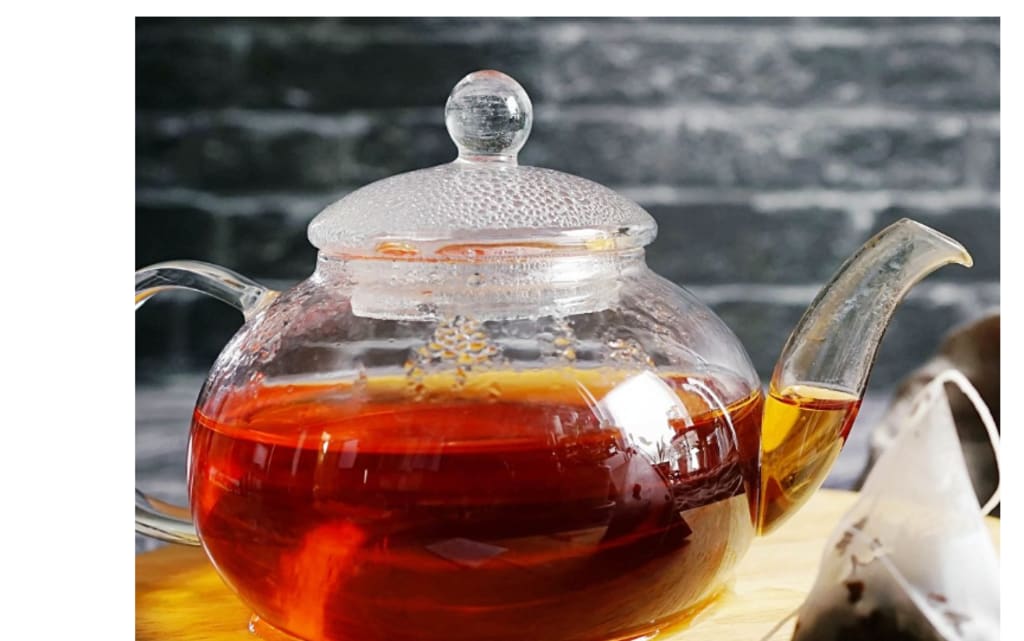
One of the most widely consumed beverages worldwide is tea. Every day, billions of people brew it without considering what else might wind up in their cup. Most of us concentrate on steeping time, water temperature, or whether we like green tea more than black.
However, a recent analysis of 19 scientific studies brings up an issue that most tea consumers have never thought about: are microscopic plastic particles getting into your cup? There was more to the response than just a yes or no. Rather, the study indicates that there are other ways in which plastic particles can get into tea, and that teabags might be more significant than most people think.
The microscopic particles that researchers are monitoring
Microplastics and nanoplastics, collectively referred to as MNPs, were the main focus of the review. Nanoplastics are smaller than one micrometre, whereas microplastics are between one micrometre and five millimetres.
Many of these particles are much smaller than what the human eye can see because a human hair is tens of micrometres wide. One reason the problem gets complicated rapidly is because of that scale.
There are multiple sources of tiny particles. They may originate from materials used in brewing, packing, processing, or even the air surrounding a sample while it is being tested.
Tea is reached by plastic in several ways.
Bubble tea, hot brewed tea, and cold bottled tea all pick up plastic in different ways. Particles from the container and cap, as well as from the water used in processing, can contaminate bottled tea. The cup, lid, straw, mixing water, and other components are among the many touch points that bubble tea introduces.
No new experiment was conducted by the review's researchers. Rather, they reduced the field to 19 useful research that assessed these particles in tea drinks, teabags or tea packaging after searching large scientific databases and screening hundreds of manuscripts.
Teabags were the most obvious source of plastic in hot tea, according to an analysis looking at how tea packaging can leak plastic into hot beverages. Many individuals are surprised by the outcome because the bags frequently seem to be made of paper. It's possible for appearances to deceive.
While some "pyramid" sachets are made of plastic mesh, other bags include plastic and plant fibres. In order to keep seams closed in hot water, some cellulose bags also include polypropylene as a heat-seal layer.
Not all bags marketed as "biodegradable" or "compostable" are made entirely of plastic. Researchers observed that plastic was still present in some goods even after dissolving the cellulose component.
The figures are enormous.
In one experiment, the brewing and measuring circumstances caused a single plastic teabag to produce approximately 14.7 billion microscopic particles. A different study found that each bag contained almost 1.3 billion particles.
Large quantities were also found to have been leaked from PLA bioplastic bags. The counts were not zero, but they were frequently less than those obtained from plastic-mesh bags.
Because different laboratories detect the particles differently, the results are not always consistent. Larger particles are captured by a filter with larger holes, whereas tiny particles pass through. Filters in the review varied in size from tens of micrometres to submicrometers. That decision alone has the power to significantly alter the outcome.
Plastic measurement is more difficult than it seems.
It's not as easy as putting tea through a filter and counting what remains to find microscopic particles in a drink. Researchers still need to determine which polymer a particle is made of and demonstrate that it is plastic.
Larger particles work better for some tools. Others have their own limitations but are able to achieve smaller sizes. A persistent headache is contamination. Samples may be contaminated by dust in the air, plastic lab instruments, fibres from clothing, and particles in lab water.
A headline with a large number should make readers stop and consider a few fundamental questions. Which kind of teabag was put to the test? Did the conditions under which tea was brewed correspond to how tea is truly made? How little were the particles that the laboratory could consistently identify?
Chemicals travelling with you
Another problem was also identified by the review. Plastics don't exist in isolation. Chemicals are added by manufacturers to alter the material's flexibility, colour, and performance; tiny production leftovers may also remain.
Numerous studies discovered plastic-related substances in tea infusions, such as bisphenol-type compounds, breakdown products, and certain plasticisers. Researchers are looking into the sources of such compounds during brewing.
Chemicals from the intact bag, broken-off particles, or contamination during processing and preparation can all be drawn out by hot water. The specifics are still unknown at this time.
Human health and tea particles
The review excluded human clinical research and does not suggest that teabag particles are inherently harmful to humans. The research report did, however, cite early laboratory findings. In one study, diluted liquid that had leached from PET and nylon teabags was given to Daphnia, small water fleas.
Although metals from tea leaves were also present, researchers discovered particles inside the animals and reported aberrant body characteristics and decreased swimming at greater exposures. Another study investigated PLA particles from bioplastic teabags using human intestinal cell models.
Short studies did not reveal significant cell death or clear structural damage at the studied concentrations, although the cells interacted with or absorbed the particles.
Be cautious when reading headlines
In other words, a cup of tea can convey more than just tea. However, the lesson is perspective rather than fear. Take a moment to investigate claims that teabags emit billions of plastic particles. What that number actually means depends on the specifics. Tea remains tea. However, the story is shaped by the lab techniques, the cup, the bottle, and the bag. The next time the kettle boils, keep that in mind.
About the Creator
Enjoyed the story? Support the Creator.
Subscribe for free to receive all their stories in your feed.
Comments
There are no comments for this story
Be the first to respond and start the conversation.