
Safe and Effective: The Importance of Pest Control for Every Household
Protect Your Home, Family, and Health With Proven Pest Control Solutions That Eliminate Threats Before They Become Costly Infestations.

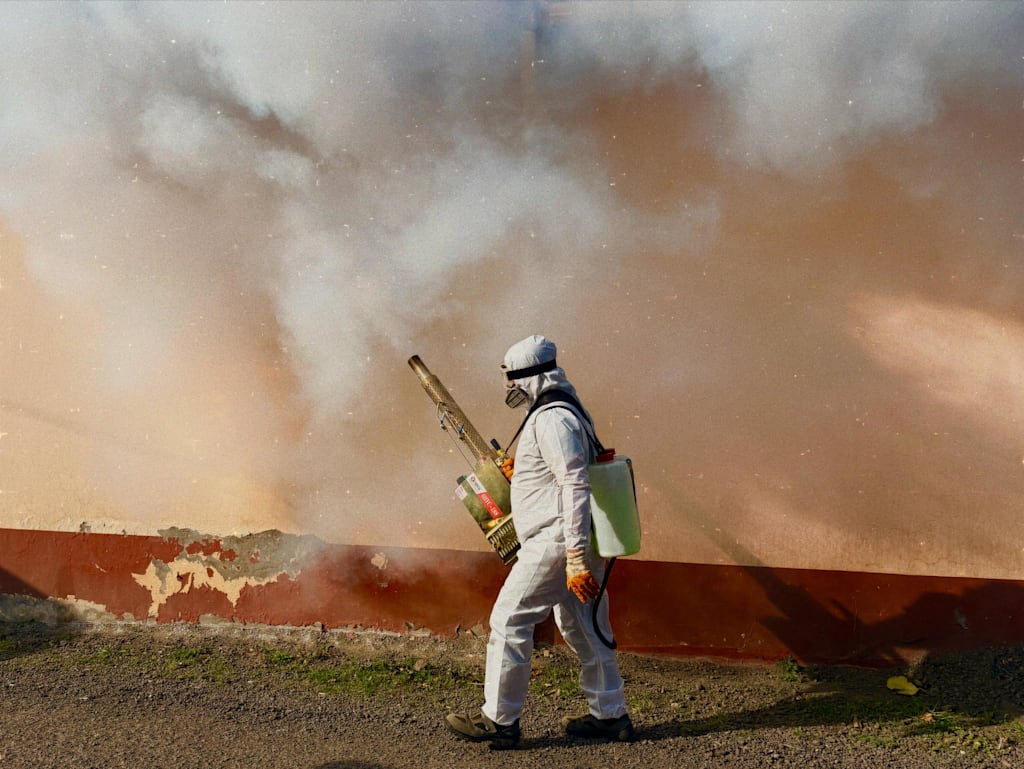
Protecting a home usually starts with the obvious things. People think about locks, smoke detectors, roof repairs, and regular cleaning. But there’s another part of home care that often gets overlooked until a problem becomes hard to ignore.
That’s pest prevention.
A few crumbs under the toaster, a slow leak under the sink, a torn screen, or clutter building up in the garage may not seem urgent on their own. But those small issues can create the kind of conditions that invite bigger household problems over time.
That’s why prevention matters so much. When families stay ahead of food, moisture, clutter, and entry points, they make the home less appealing to common household pests before the situation grows more disruptive. The EPA recommends prevention first by removing access to food, water, and shelter, and by sealing gaps where pests can get in.
Why Prevention Matters More Than People Think
A lot of household problems don’t start dramatically.
They build slowly, and because they build slowly, they’re easy to miss. A drip under the sink turns into persistent moisture. A pantry item left open becomes a food source. A small gap in a doorframe becomes an access point. On their own, none of these things feels major. Together, they can change how a home functions. That’s what makes prevention so valuable. It helps families deal with the conditions behind the problem, not just the visible signs of it.
The EPA’s guidance on home pest prevention centers on exactly that idea. Pests are less likely to settle in when they can’t get what they need to live and reproduce, which usually comes down to food, water, and shelter. For most households, small habits can have a real impact.
The Everyday Habits That Make a Difference
Good prevention usually starts with the basics. That’s where families have the most control.
- Keep pantry goods sealed.
- Wipe down counters.
- Clean up crumbs before they sit too long.
- Take trash out regularly, and keep lids closed.
- Don’t let pet food stay out overnight if it can be avoided.
Water matters just as much. Fix leaky faucets, pay attention to damp spots, and don’t let water collect in trays, sinks, or corners that stay wet longer than they should. The EPA specifically recommends fixing leaks, removing standing water, and reducing clutter because those conditions help pests settle in and hide. Clutter also deserves more attention than it gets.
Stacks of boxes, piles of paper, and neglected storage areas make a room feel crowded and also make it harder to clean thoroughly. Pest control is most effective when it’s treated as part of overall home maintenance, not as a separate task that only matters once there’s an issue.
Entry Points Are Small Until They Aren’t
One of the easiest things to miss in a house is a small opening. A torn screen, a gap under the back door, cracked caulking near a window, or an opening around pipes may not catch much attention in everyday life. But when those areas are left alone, they can give pests a way in.
Sealing your home matters
The EPA recommends keeping pests out by closing off the gaps and cracks that let them enter in the first place. That kind of prevention is simple, but it’s practical, and it often saves families from more frustrating problems later.
This is also one of the easier habits to work into a regular routine. Check screens when seasons change. Look at door sweeps. Notice whether windows still close tightly. Pay attention to areas around vents, utility lines, and exterior trim.
None of that feels dramatic, but that’s exactly the point. The strongest home habits usually don’t.
Moisture Can Quietly Create Bigger Issues
If one household condition tends to affect everything else, it’s moisture. Bathrooms, kitchens, laundry rooms, basements, and under-sink cabinets all deserve regular attention because dampness tends to linger in those areas. And when it does, it can lead to odors, damage, and more favorable conditions for pests.
Moisture control is such a core part of prevention
Families don’t need to inspect every inch of the house constantly, but they do need to notice the signs that something’s off. Peeling paint, mildew smells, condensation, soft spots, and slow leaks are all worth paying attention to before they turn into larger repair jobs.
That’s also where pest control connects back to comfort. A home that’s dry, well-ventilated, and easier to maintain usually feels better to live in overall. Prevention isn’t only about avoiding a problem. It’s also about protecting the quality of everyday life inside the home.
Family Awareness Helps More Than People Realize
A well-maintained home doesn’t rely on one person noticing everything.
It works better when everyone in the household knows the basics. Children can learn not to leave snacks in bedrooms. Adults can keep an eye on damp areas, storage spaces, and outdoor trouble spots. Shared habits tend to catch problems earlier, and they also keep prevention from feeling like one more thing sitting on one person’s shoulders.
Awareness is the difference between a quick fix and a large disruption
When you notice things early, you have more options. They can clean up the cause, address the condition, and move on before the issue spreads or becomes more expensive to manage. That’s why so much of home protection comes down to consistency instead of urgency.
Outdoor Conditions Matter Too
Home protection doesn’t stop at the walls
What’s happening outside often affects what happens inside. Overgrown shrubs near the house, standing water, clogged gutters, and clutter around the foundation can all work against the effort happening indoors. The EPA recommends reducing outdoor conditions that provide shelter and moisture, because those conditions can support pest activity around the home.
Look at your property as one connected system
Trim vegetation back from the house. Clear leaves from the foundation. Check gutters after storms. Don’t let storage piles build up too close to exterior walls. These aren’t complicated projects, but they support the same goal as everything happening inside: making the home less inviting to avoidable problems. And because outdoor conditions shift with weather and seasons, they’re worth checking regularly instead of only when something seems wrong.
Why a Prevention Mindset Protects More Than the Property
The best thing about prevention is that it does more than protect walls, floors, and stored belongings. It protects routine.
When a home is cared for consistently, daily life feels easier. People spend less time reacting, less time worrying, and less time scrambling to solve something that’s been building quietly for weeks. Small actions support a calmer kind of homeownership because they reduce the number of surprises that can throw everything off.
That’s what makes a prevention-first mindset so useful for families. It doesn’t require perfection, and it doesn’t require constant stress. It just asks for attention, consistency, and a willingness to deal with little things before they grow. In that sense, pest control isn’t only about managing household issues. It’s also about protecting peace of mind.
Small Steps Add Up Over Time
These steps may seem small, but together they create a home that’s easier to maintain and less likely to develop bigger problems. The importance of prevention reaches beyond one season or one household task. It supports a more comfortable environment year-round, and it helps families stay ahead of common issues before they escalate.
And when that happens, your home doesn’t just stay in better shape. It feels better to live in, too.
For an outside reference on prevention-first household protection, the EPA’s pest prevention guidance for residents outlines the steps you can take to reduce food, water, and shelter sources around your home.
About the Creator
Amy Rhoades
Amy Rhoades is a creative writer who explores resilience and connection, drawing inspiration from travel and life to inspire readers worldwide.
Enjoyed the story? Support the Creator.
Subscribe for free to receive all their stories in your feed.
Comments
There are no comments for this story
Be the first to respond and start the conversation.