
Potential Dangers to Mental Health Posed by Social Media Platforms
Each social media platform carries mental health risks that many people can't even imagine

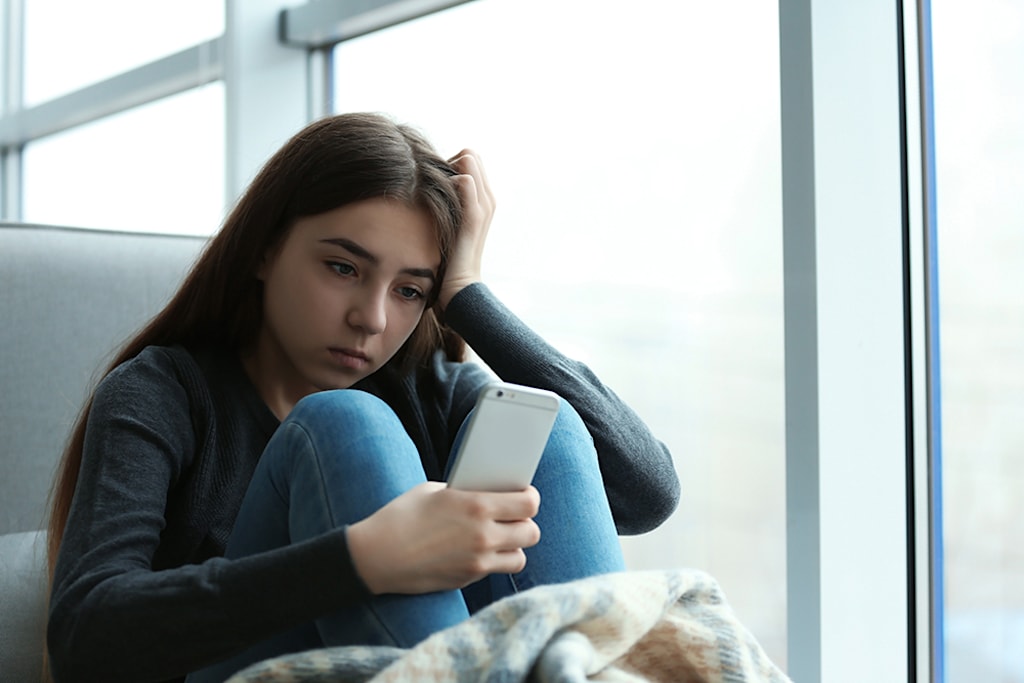
Social media platforms can significantly impact users' mental health, often in negative ways. Below is an analysis of the potential dangers associated with each platform mentioned in the query.
1-X (formerly Twitter)
X can lead to increased feelings of outrage and political polarization, which may negatively affect users' emotional well-being. Frequent use of the platform has been associated with a drop in positive emotions and an increase in feelings of anxiety and depression. The nature of discussions on X can also foster a toxic environment, contributing to mental health issues among users.
2-Facebook
Facebook is often linked to feelings of inadequacy and low self-esteem due to the "comparison culture" it fosters. Users frequently compare their lives to the curated highlights of others, which can lead to feelings of isolation and depression. Additionally, the platform's algorithms can amplify negative content, further exacerbating anxiety and depressive symptoms.
3-Instagram
Instagram is particularly notorious for its impact on body image and self-esteem. The platform's focus on visual content and the use of filters can create unrealistic beauty standards, leading to body dissatisfaction and eating disorders. Studies have shown a strong correlation between high Instagram usage and increased levels of anxiety, depression, and social anxiety, especially among young adults.
4-Threads
As a newer platform, Threads has not been extensively studied, but it is likely to inherit similar issues as X and Instagram, particularly regarding social comparison and the pressure to maintain a certain online persona. The potential for cyberbullying and negative interactions could also pose risks to mental health, especially among younger users.
5-TikTok
TikTok's algorithm-driven content can lead users down "rabbit holes" of harmful material, including content related to self-harm and depression. The platform's addictive nature encourages prolonged use, which can exacerbate feelings of anxiety and loneliness. Users, particularly adolescents, may find themselves increasingly isolated as they engage more with the app than with real-life interactions.
6-Reddit
Reddit can be a double-edged sword. While it offers community support, certain subreddits can perpetuate negative mental health discussions and self-diagnosis, which may lead to increased anxiety and depression. The platform's anonymity can also encourage toxic behavior, making it a potentially harmful environment for vulnerable users.
7-Snapchat
Snapchat's emphasis on ephemeral content can create a fear of missing out (FOMO) and anxiety about social interactions. The platform's use of filters and the pressure to present a perfect image can also contribute to body image issues and low self-esteem. Additionally, the potential for cyberbullying remains a significant concern.
8-LinkedIn
While LinkedIn is primarily a professional networking site, it can still impact mental health negatively. Users may experience stress and anxiety related to job comparisons and the pressure to present a successful image. The platform can foster feelings of inadequacy, especially among those struggling to find employment or advance in their careers.
9-Pinterest
Pinterest can lead to unrealistic expectations regarding lifestyle, beauty, and success. Users often curate boards filled with idealized images, which can create feelings of inadequacy and dissatisfaction with one's own life. This platform can also contribute to disordered eating behaviors, particularly among those seeking idealized body images.
10-Tumblr
Tumblr has a unique culture that can be both supportive and harmful. While it provides a space for self-expression, it can also expose users to triggering content related to mental health issues, self-harm, and other sensitive topics. The platform's community dynamics can sometimes foster unhealthy behaviors and reinforce negative mental health narratives.
Final thoughts
In conclusion, while social media platforms can offer connection and community, they also pose significant risks to mental health. Users should be aware of these dangers and consider strategies to mitigate their impact, such as setting time limits, curating their feeds, and seeking support when needed.
About the Creator
Ninfa Galeano
Journalist. Content Creator. LGBT+ perspective 🏳️🌈
Enjoyed the story? Support the Creator.
Subscribe for free to receive all their stories in your feed.
Comments
There are no comments for this story
Be the first to respond and start the conversation.