
I Tracked Every Dollar for 90 Days
The Surprising Spending Habits I Discovered

The Unexpected Financial Wake-Up Call if
What was your monthly spending?
Most people are able to estimate things roughly.
Few can give an accurate answer.
I considered myself to be fairly cautious with money three months ago. I avoided serious debt, paid my payments on schedule, and didn't think of myself as a huge spender. However, by the end of every month, my bank balance always seemed to be lower than anticipated.
I wasn't buying things carelessly. I wasn't buying expensive items every week. However, I was concerned since my money appeared to be disappearing faster than it should have.
Instead of speculating, I decided to find out where it was going.
For ninety days, I recorded every dollar I spent.
Every coffee.
Every online purchase.
Every subscription.
Every grocery trip.
Every impulse buy.
I expected the experiment to confirm that inflation was the problem.
What I discovered was much more interesting.
Why I Started Tracking Every Dollar
Like a lot of others, I evaluated my spending patterns based on recollection.
That proved to be an error.
Large purchases are often overstated in memory, while frequent, minor expenses are entirely ignored. We recall purchasing a new phone. The dozens of small transactions that are dispersed throughout the month are forgotten.
Budgeting is a topic that financial gurus frequently discuss, but it's similar to trying to lose weight without understanding what you're eating.
Restricting myself wasn't the goal of tracking.
It had to do with self-awareness.
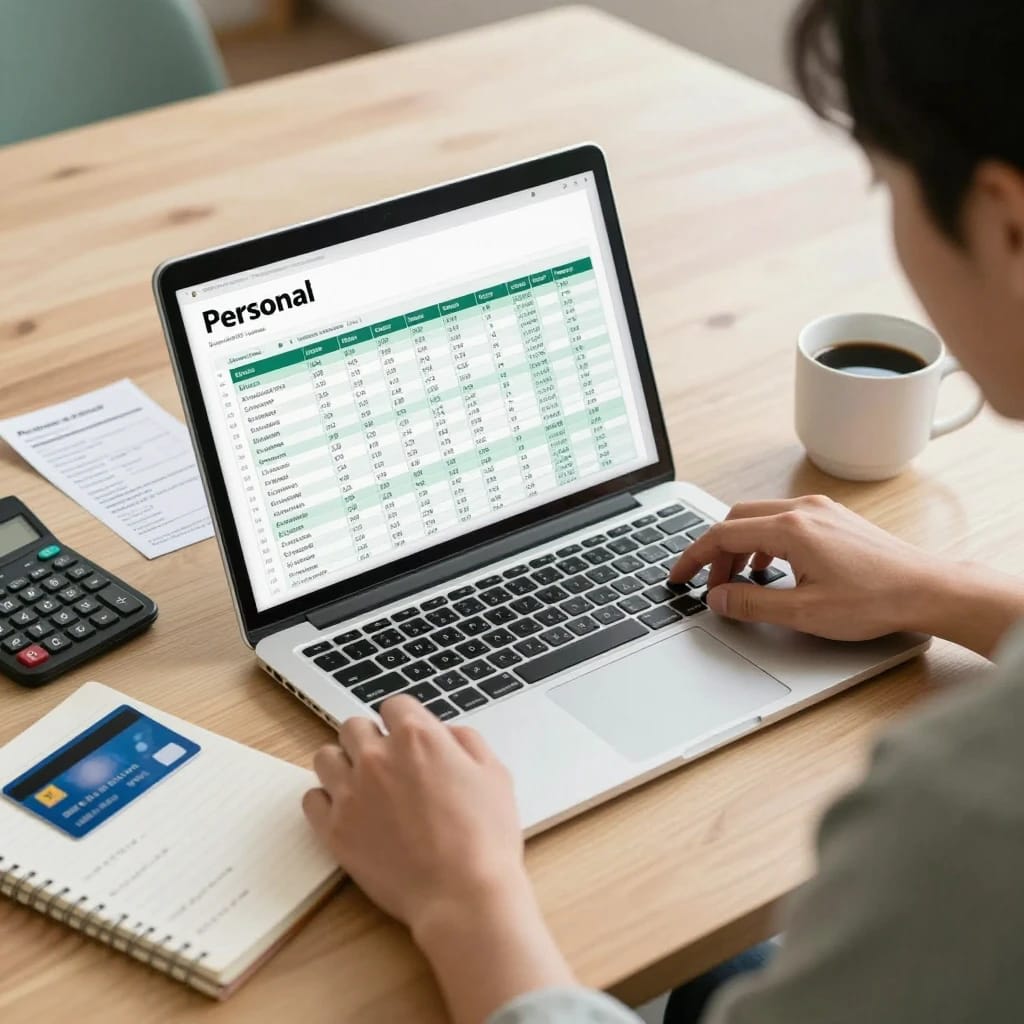
I used a basic spreadsheet to keep track of every expense for ninety days. Perfection wasn't the aim.
The goal was visibility.
That visibility changed everything.
The First Surprise: Small Purchases Were Costing More Than Big Ones
I anticipated that my largest financial issue would be significant spending.
I was mistaken.
The accumulation of minor purchases that seemed unimportant at the time was the true problem.
A snack here.
A coffee there.
I was too busy to plan ahead, so I made a convenience purchase.
Individually, none of these costs seemed concerning.
When combined, they presented an alternative narrative.
I found that over the first month, I had spent more on entertainment than on little convenience goods.
I was surprised by that knowledge.
Discipline was not the issue. It was ignorance.
Spending becomes invisible when it is painless.
The Subscription Trap
The second surprise came from recurring subscriptions.
Most of us sign up for services with good intentions.
A streaming platform.
A productivity tool.
A premium app.
A cloud storage plan.
These monthly fees eventually turn into background noise.
I discovered a few subscriptions that I hardly utilized when looking through my data.
None were expensive on their own.
Combined, they represented a significant monthly expense.
Not that subscriptions are terrible was the lesson.
The lesson was that automatic payments should be reviewed on a regular basis.
Many businesses rely on consumers forgetting they have a subscription.
I realized for the first time how successful that tactic may be.
Spending on emotions was more prevalent than I had anticipated.
The most unsettling discovery was this one.
I wanted to think that my purchases made sense.
The data suggested otherwise.
Certain spending patterns appeared repeatedly.
I spent more while I was under stress.
I used to surf internet stores when I was bored.
Convenience expenditures went up when I was feeling overburdened.
The actual purchases weren't always substantial.
The emotional spark behind them was what was important.
Money wasn't just vanishing from my account, even when I needed things.
I would occasionally go in quest of solace, diversion, or alleviation.
An important turning point was realizing that pattern.
You cannot alter conduct that you are unaware of.
The Lesson of the Grocery Store
I anticipated that grocery spending would stay rather stable.
Get Muhammad Sabeel’s stories in your inbox
Join Medium for free to get updates from this writer.
Rather, it varied sharply.
I discovered a pattern after looking through my receipts.
Spending was almost always higher when shopping without a list.
It was made worse by going shopping while hungry.
Things that appeared appealing at the time were frequently left unused.
Planned shopping excursions, on the other hand, were much more effective.
This wasn't revolutionary financial advice.
It was simply proof that small habits have measurable consequences.
It was impossible to disregard the truth because of the numbers.
The Unexpected Impact of Postponed Purchases
One tactic yielded unexpectedly good outcomes.
I always waited at least 48 hours before purchasing anything that wasn't absolutely necessary.
The rule seemed simple.
The outcomes were outstanding.
By Wednesday, a lot of things that looked urgent on Monday appeared needless.
Desire and action were separated by the delay
That space saved money.
More significantly, it enhanced the ability to make decisions.
I started differentiating between transient impulses and true needs.
The difference was larger than I had expected.
What Occurred Ninety Days Later
The experiment changed more than my finances.
It changed my relationship with money.
Before tracking, spending felt automatic.
After tracking, spending became intentional.
I didn't become very thrifty.
I continued to love life.
I didn't cut out every pointless purchase.
Rather, I started to pay more attention to where my money was going and whether or not those spending matched my true values.
Paradoxically, cutting costs wasn't the objective.
The goal was spending better.
Making smarter choices got simpler once I recognized my behaviors.
Useful Advice If You'd Like to Give It a Try
1. Track Everything
Avoid estimating.
No matter how big or small, keep track of all your expenses.
The most significant trends are frequently revealed by small purchases.
2. Plan Your Expenditures
Spend money on travel, entertainment, shopping, food, and subscriptions.
Organizing spending makes it easier to spot trends.
3. Review Weekly
Don't wait until the end of the month to do it.
By conducting weekly reviews, you might find behaviors before they become expensive.
4. Identify Emotional Stressors
Think about the motivations behind your purchases.
Frequently, the value of the solution exceeds the cost.
5. Use the 48-Hour Rule
Put off buying non-essential items.
Over time, many impulses go away.
6. Focus on Awareness First
Don't strive to make a flawless budget right first.
Before trying to alter your behavior, understand it.
Important Lessons
Small expenditures frequently have greater effects than anticipated.
Subscription costs accumulate quietly over time.
Emotional spending influences more decisions than most individuals realize.
Making better selections is a result of increased awareness brought about by monitoring.
Delaying purchases reduces impulsive spending.
Understanding, not limitation, is the first step toward financial betterment.
Concluding Remarks
The most important lesson from keeping track of every dollar for ninety days had nothing to do with money.
It was about attention.
What we measure, we understand.
We can enhance what we comprehend.
I believed I knew where my money was going before this trial.
The information revealed a different picture.
And that narrative was more helpful to me in making decisions than any financial advice or budgeting program.
Try tracking your spending for only thirty days if you've never done it before.
You may find that your greatest financial obstacle isn't what you initially believed it to be.
You might also discover opportunities that have always existed.
Which spending pattern most surprised you when you initially started keeping an eye on your finances?
About the Creator
Muhammad Sabeel
I write not for silence, but for the echo—where mystery lingers, hearts awaken, and every story dares to leave a mark
Enjoyed the story? Support the Creator.
Subscribe for free to receive all their stories in your feed.
Comments
There are no comments for this story
Be the first to respond and start the conversation.