
Construction of Fukui Murata Manufacturing’s New Ceramic Capacitor R&D Center Completed
What It Means for the Future of Electronics and Advanced Materials Innovation
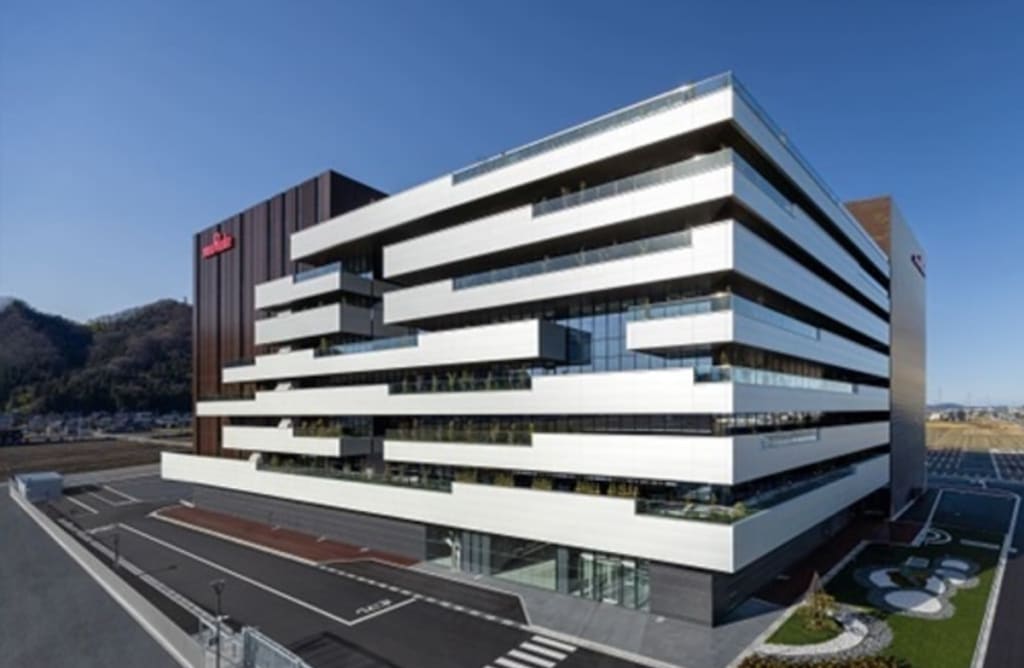
Introduction: A Milestone in Electronics Research Fukui Murata Manufacturing, a global leader in electronic components, has announced the completion of its new Ceramic Capacitor Research & Development (R&D) Center. This state-of-the-art facility marks a major step forward in the company’s mission to innovate in the electronics sector, particularly in the development of high-performance ceramic capacitors used across modern devices. Ceramic capacitors are critical components in nearly every electronic device, from smartphones and laptops to electric vehicles and industrial machinery. The completion of this R&D center promises to accelerate breakthroughs in electronics performance, efficiency, and miniaturization—key drivers of the next generation of technology. Why Ceramic Capacitors Matter Ceramic capacitors are passive electronic components that store and release electrical energy. They play a crucial role in filtering, energy storage, and voltage regulation in circuits. Over the years, advancements in ceramic capacitor technology have enabled: Smaller, more efficient electronic devices Higher-frequency performance in communications and computing Enhanced energy efficiency in automotive and industrial applications The demand for advanced capacitors has surged with the rise of 5G networks, electric vehicles, AI-powered devices, and IoT (Internet of Things) applications. By investing in a dedicated R&D center, Fukui Murata Manufacturing is positioning itself to meet these growing demands. What the New R&D Center Brings to the Table The newly completed facility is designed to be a hub for innovation, equipped with advanced laboratories, testing facilities, and production prototyping lines. Key capabilities include: High-Precision Manufacturing Research: Developing capacitors with tighter tolerances, higher reliability, and lower losses. Material Innovation: Experimenting with new ceramic compositions to improve temperature stability and energy density. Miniaturization: Creating smaller capacitors without compromising performance, critical for compact electronics. Sustainability: Implementing eco-friendly materials and production methods to reduce environmental impact. These innovations could redefine the capabilities of modern electronics, from consumer devices to industrial equipment. Implications for the Electronics Industry The completion of this R&D center has significant implications for the global electronics market. Companies across the industry may benefit from: Faster Innovation Cycles: Reduced development times for new capacitor designs could speed up product innovation. Improved Device Performance: Higher-quality components mean faster, more reliable, and energy-efficient electronics. Global Supply Chain Resilience: Advanced local manufacturing reduces dependency on overseas suppliers and enhances supply stability. For industries like electric vehicles and renewable energy, where capacitor performance is critical for battery management and power electronics, these advancements could be transformative. Boosting Competitiveness in Japan and Abroad Japan has long been a leader in electronics materials and components. By establishing a world-class R&D center, Fukui Murata Manufacturing strengthens Japan’s position in the global semiconductor and electronic component market. Internationally, the center may help Japan maintain an edge in high-performance electronic materials, which are in high demand as technology companies worldwide pursue smaller, faster, and more energy-efficient devices. Research Focus Areas The new center is expected to focus on several key research areas: 1. Advanced Ceramic Materials Developing ceramics with superior dielectric properties can enhance capacitor performance, supporting higher-frequency electronics and energy storage applications. 2. Reliability Under Extreme Conditions Automotive and industrial electronics often operate under high temperatures and mechanical stress. R&D in this area ensures capacitors can withstand challenging conditions, extending device lifespan. 3. Integration with Next-Gen Technologies The center will explore how ceramic capacitors can support cutting-edge technologies like 5G communications, AI hardware accelerators, electric vehicles, and renewable energy systems. Collaborations and Innovation Ecosystem Fukui Murata Manufacturing plans to collaborate with universities, research institutions, and industry partners. By combining expertise across academia and industry, the R&D center can accelerate innovation, bringing new technologies to market faster. This collaborative approach also nurtures talent, training the next generation of engineers and materials scientists in advanced electronics and ceramic technology. Economic and Environmental Impact Investing in a dedicated R&D facility is not just a technological milestone—it also has economic and environmental implications: Job Creation: Engineers, scientists, and technical staff will find opportunities at the new center. Supply Chain Strengthening: Local production capabilities reduce reliance on imported components. Sustainable Innovation: The center’s focus on eco-friendly materials and processes contributes to reducing electronics industry waste and carbon footprint. Sustainable and innovative production practices are increasingly important as the electronics sector faces growing scrutiny over resource use and environmental impact. The Broader Future of Electronics The completion of Fukui Murata Manufacturing’s R&D center signals a future where electronic devices are: Smaller, lighter, and more powerful More energy-efficient and environmentally responsible Capable of supporting emerging technologies like AI, 5G, and IoT As devices become increasingly complex, the demand for high-performance, reliable components like ceramic capacitors will only grow. The center positions Murata at the forefront of this evolution. Conclusion: A Leap Toward Next-Generation Electronics The new Ceramic Capacitor R&D Center at Fukui Murata Manufacturing represents more than just a construction milestone. It embodies a strategic investment in the future of electronics, advanced materials, and global technological leadership. By focusing on innovation, reliability, and sustainability, Murata is not only strengthening its market position but also driving the electronics industry forward. For consumers, engineers, and tech companies worldwide, this development promises faster, smarter, and greener devices—shaping the next era of electronics. In a world increasingly reliant on high-tech solutions, investing in materials science and component innovation has never been more critical. Murata’s new center ensures that the building blocks of modern electronics—the humble ceramic capacitor—will continue to power the devices, vehicles, and systems of the future.
Comments
There are no comments for this story
Be the first to respond and start the conversation.