
Banning social media for minors: Countries that have taken the step
Several countries have decided to ban social media for minors, even though the measure is unpopular

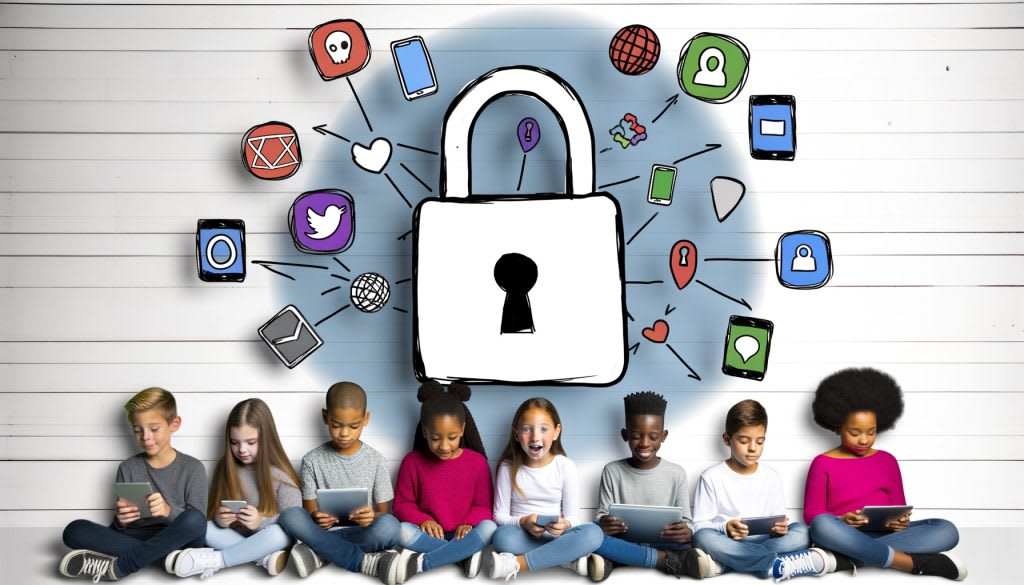
Several countries have recently implemented or are in the process of enacting bans on social media access for minors, primarily aimed at protecting young users from potential harms associated with these platforms.
Below is a detailed overview of these countries and the specifics of their decisions.
Australia
Australia became the first country to implement a comprehensive ban on social media for children under the age of 16, which took effect on December 10, 2025. This legislation prohibits minors from accessing major platforms such as Facebook, Instagram, TikTok, and others. The government mandates that social media companies must employ robust age verification methods to ensure compliance, with penalties for non-compliance reaching up to AUD 49.5 million (approximately USD 34.4 million) for companies that fail to enforce the ban.
France
In January 2026, France's National Assembly passed a bill to ban social media access for children under 15. This initiative, supported by President Emmanuel Macron, aims to mitigate excessive screen time and its associated risks. The bill is currently awaiting approval from the Senate before becoming law.
Greece
Greece announced plans to ban social media for children under 15, effective January 1, 2027. Prime Minister Kyriakos Mitsotakis cited concerns over rising anxiety and sleep issues among children as motivations for this decision.
Denmark
Denmark is set to implement a ban on social media for children under 15, with the government securing support from multiple political parties. This decision was announced in November 2025, and it reflects a growing concern over the impact of social media on youth.
Malaysia
In November 2025, Malaysia's government declared its intention to ban social media access for children under 16, with plans to enforce this regulation in 2026. The government aims to protect minors from online dangers, including cyberbullying and addiction.
Indonesia
Indonesia announced a ban on social media for minors, which is set to take effect in March 2026. This ban will cover popular platforms such as TikTok, Facebook, and Instagram, and is part of a broader effort to safeguard children from online threats.
Spain
Spain's government has proposed a ban on social media for children under 16, which is currently pending parliamentary approval. This initiative is part of a larger legislative effort to enhance online safety for minors.
Poland
Poland is drafting legislation to prohibit social media access for children under 15. This proposal reflects the government's concerns about the influence of social media on young users and is part of a broader regulatory effort.
Turkey
Turkey is also considering a ban on social media for children under 15. The proposed legislation is awaiting approval from President Recep Tayyip Erdogan to become law.
United Kingdom
The UK government is contemplating a ban on social media for children under 16. Discussions are ongoing, with consultations involving parents and civil society to assess the potential effectiveness of such a measure.
Viability of Similar Bans in America
In the United States, the landscape regarding social media use among minors is complex and varies significantly by state. Currently, there is no federal law that outright bans minors from using social media, but several states have enacted legislation aimed at restricting access or requiring parental consent. For example, states like Arkansas and Florida have introduced laws that either ban minors from creating accounts or require parental approval for those under 18.
However, these state-level initiatives face significant legal challenges, particularly concerning First Amendment rights. Courts have blocked or paused several of these laws, arguing that they may infringe on free speech rights.
Experts argue that while the intention behind these bans is to protect minors, they may not effectively address the underlying issues associated with social media use. Critics describe blanket bans as "lazy" solutions that fail to consider the benefits of social media, such as community building and access to information. Instead, they advocate for more nuanced approaches, such as enhancing privacy protections and implementing age verification systems without outright bans.
About the Creator
Ninfa Galeano
Journalist. Content Creator. LGBT+ perspective 🏳️🌈
Enjoyed the story? Support the Creator.
Subscribe for free to receive all their stories in your feed.
Comments
There are no comments for this story
Be the first to respond and start the conversation.