
When Fighting Becomes a Metaphor: The Rise of Emotion-Driven Independent Cinema
A gritty MMA drama from Andreas Szakacs Productions follows one woman’s rise from personal collapse to underground fighting glory, targeting international festivals and global streaming release in 2026.

In recent years, independent cinema has been quietly shifting its focus. Instead of relying on spectacle, scale, or high-budget action, many filmmakers are turning inward—toward stories that explore emotional depth, personal transformation, and the complexity of human resilience.
This evolution reflects a broader change in audience expectations. Viewers are no longer drawn solely to heroes who win, but to characters who struggle, fail, and rebuild.
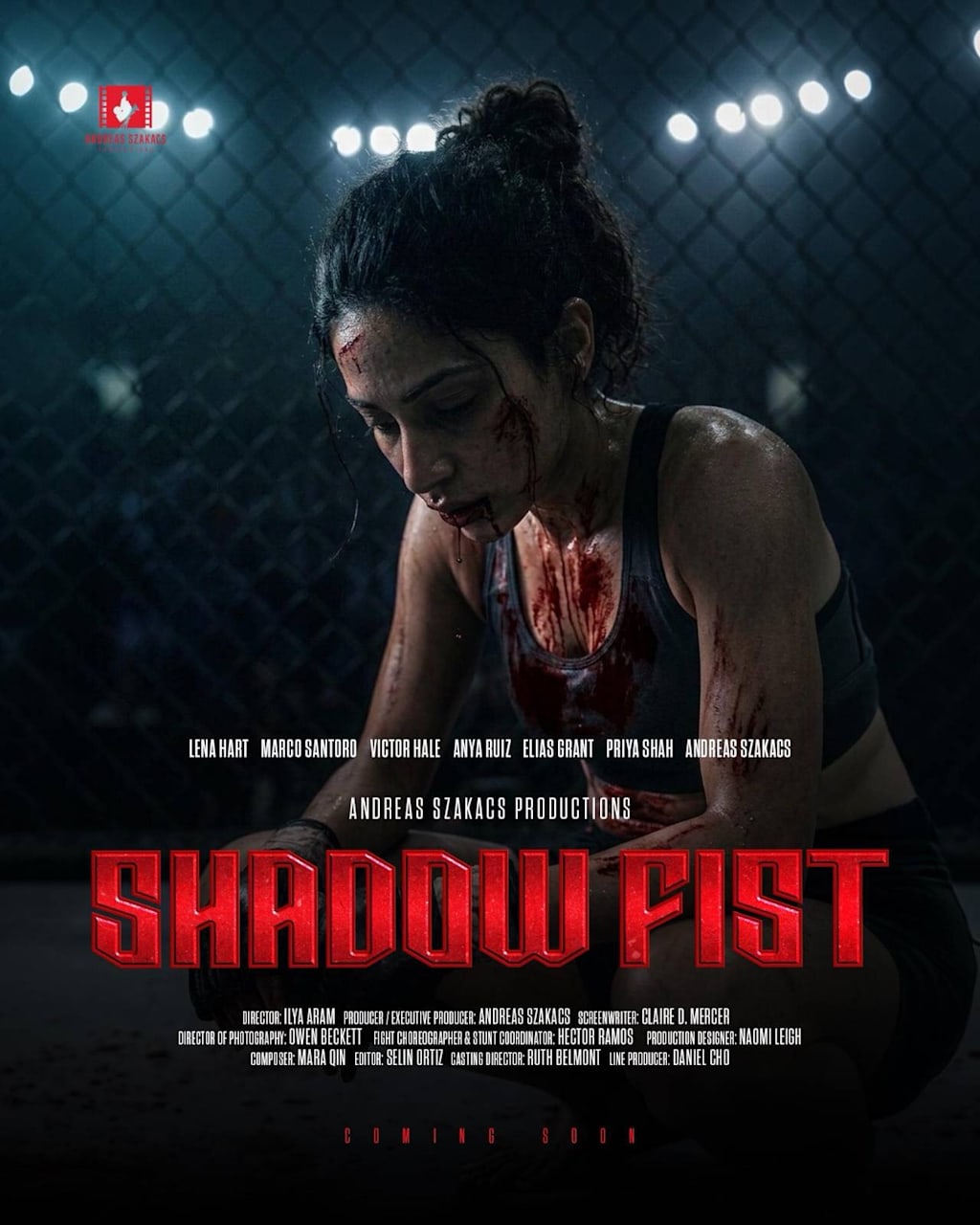
One emerging example of this storytelling approach can be seen in Shadow Fist, a developing independent film set within the world of underground fighting. While the setting suggests intensity and physical conflict, the story itself is rooted in something far more internal.

At its center is a woman navigating the aftermath of personal collapse. Forced into an unfamiliar and unforgiving environment, she enters a world where survival depends not only on physical endurance, but on emotional strength. What begins as a means of survival gradually becomes a journey of self-discovery.
Rather than presenting combat as the main attraction, the narrative uses it as a metaphor. Each fight represents something deeper—fear, memory, anger, or the need for control. The physical arena becomes an extension of the character’s internal world, where every movement carries emotional weight.
This kind of storytelling reflects a growing trend in modern filmmaking, where genre serves as a framework rather than the destination. Sports, combat, and survival settings are increasingly used to explore identity, trauma, and transformation.
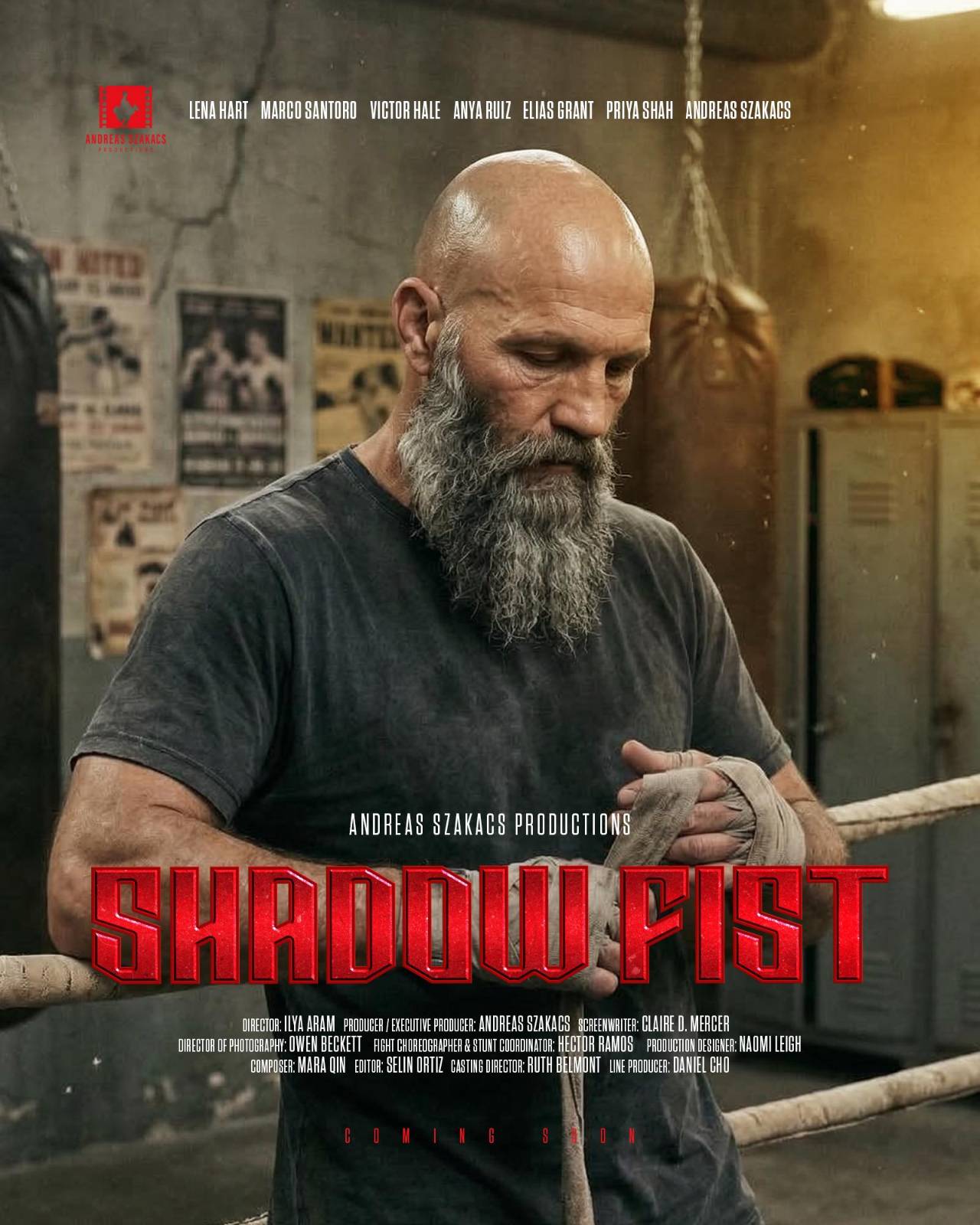
n these stories, the real conflict is not between opponents, but within the individual. The struggle is psychological as much as physical, shaped by past experiences and the desire to move beyond them.
What makes this approach resonate is its authenticity. Characters are not defined by perfection or heroism, but by their imperfections. They are shaped by circumstance, forced to adapt, and often transformed in unexpected ways.
Independent filmmaking has always provided space for these narratives to develop. Without the pressure of large-scale commercial expectations, creators are able to focus more closely on character, emotion, and realism.
As a result, films like Shadow Fist represent more than just stories set in intense environments. They reflect a deeper shift in how stories are told—where meaning is found not in victory, but in the process of becoming.
In this evolving landscape, the most powerful moments are often the quietest ones. Not the fight itself, but what it reveals about the person inside it.
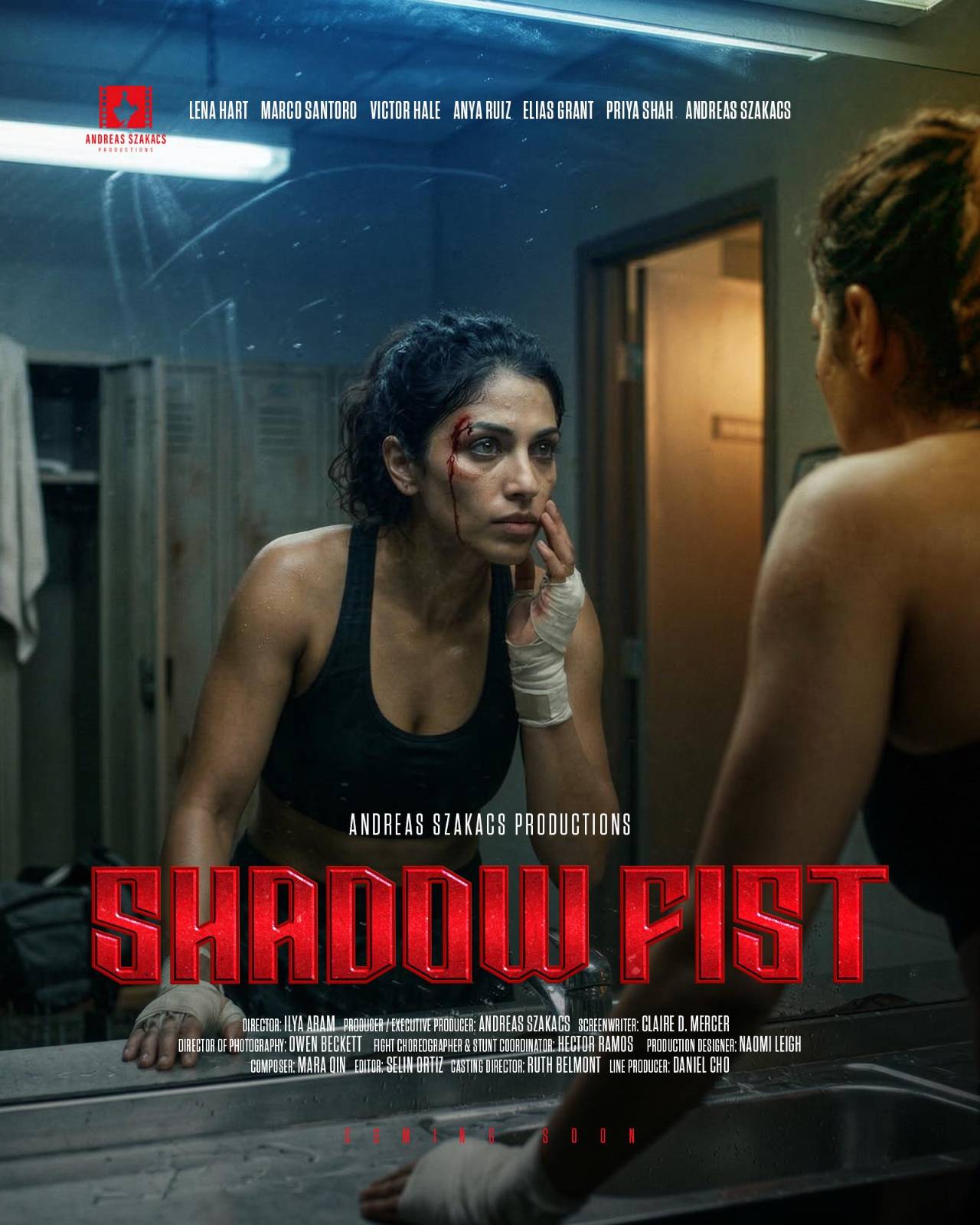
Independent filmmaking has long been a space where this type of narrative can thrive. Without the constraints of large-scale commercial expectations, filmmakers are able to focus more closely on emotional authenticity, character psychology, and transformation arcs.
In that sense, Shadow Fist sits within a growing movement of films that use physical worlds—such as sport, combat, or survival—as metaphors for emotional experience.

The film was developed under Andreas Szakacs Productions with a reported production budget of approximately $2.4 million.
Principal photography took place primarily in Mexico City, with additional studio work completed in Los Angeles. The production followed a tightly scheduled 32-day shoot, followed by an additional pickup phase to refine key sequences.
According to the production team, the project was built around a streamlined independent filmmaking model focused on efficiency, realism, and controlled action design.

At its heart, the story is less about fighting and more about becoming. It explores how people rebuild themselves after loss, how identity is reshaped under pressure, and how transformation often comes through adversity rather than comfort.
This is where the emotional weight of modern storytelling continues to evolve—not in spectacle, but in sincerity.
About the Creator
Andreas szakacs
Where stories become cinema.
Andreas Szakacs Productions 🎬
Film | Storytelling | Creativity
Enjoyed the story? Support the Creator.
Subscribe for free to receive all their stories in your feed.
Comments
There are no comments for this story
Be the first to respond and start the conversation.