
Why Don’t Chinese People Drink Much Milk?
The historical, cultural, and biological reasons why dairy never became a major part of traditional Chinese cuisine.
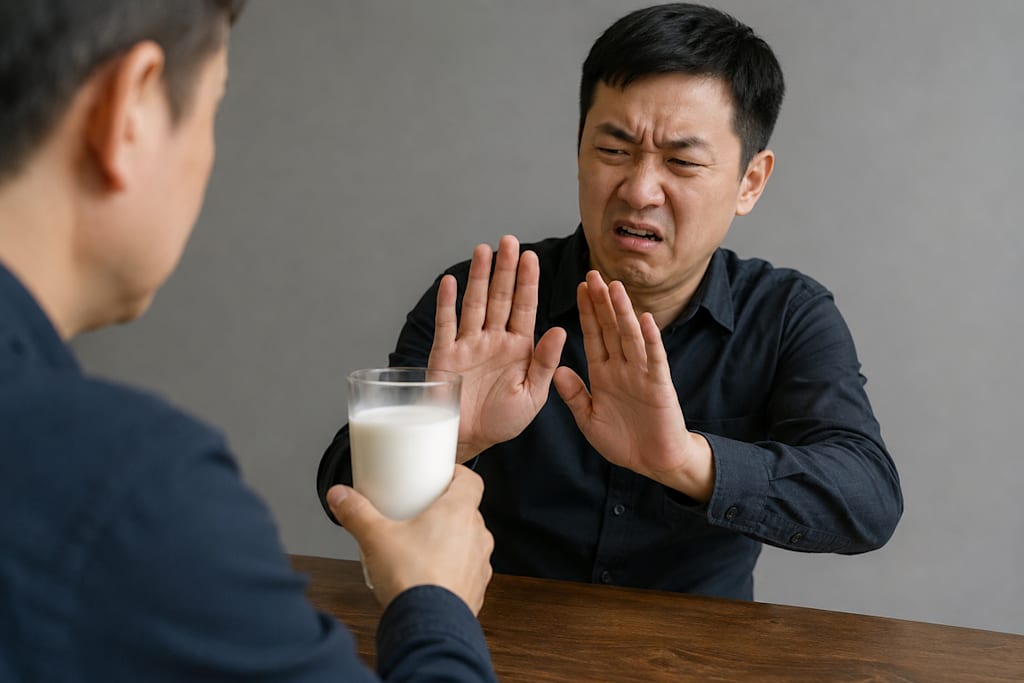
For many people around the world, milk is a familiar part of everyday life. It appears in breakfast cereals, coffee, yogurt, cheese, butter, and countless other foods. In China, however, milk occupied a very different place for most of the country's history. It was not viewed as a dietary staple but rather as something associated with nomadic peoples, outsiders, and young children.
The reasons behind this are more complex than simple taste preferences. Biology, geography, history, agriculture, and culture all played a role.
Chinese Cuisine Developed Without Dairy
If you look at traditional Chinese cuisine, dairy products are surprisingly rare. There is little use of cheese, butter, cream, or other milk-based ingredients that are common in many Western cuisines.
Instead, Chinese food developed around a different foundation: rice, noodles, soybeans, vegetables, pork, fish, poultry, and tea. Protein came from legumes, meat, and seafood rather than dairy products. Soy, in particular, became enormously important, giving rise to soy milk, tofu, soy sauce, fermented bean pastes, and many other staples.
In many ways, soy occupied a role in Chinese food culture similar to the role dairy played in parts of Europe.
Historically, keeping cattle primarily for milk production was not always practical. Agricultural land was valuable, populations were large, and farmers often focused on crops that could feed more people directly. Rice, wheat, vegetables, and soybeans generally made more efficient use of limited farmland.
Biology Also Played a Role
Another major factor is lactose intolerance.
Many adults in East Asia have difficulty digesting lactose, the natural sugar found in milk. During childhood, milk is usually digested without problems, but as people age, production of the enzyme lactase often decreases.
As a result, drinking milk can cause bloating, stomach discomfort, and digestive issues.
This does not mean that every Chinese person is lactose intolerant. However, historically, lactose intolerance was common enough that milk never became a central part of everyday cuisine. When a significant portion of the population experiences discomfort from a food, it rarely becomes a dietary staple.
In many European populations, a different genetic pattern became widespread over thousands of years. Adults retained the ability to digest milk, allowing dairy culture to flourish. Cheese, butter, cream, yogurt, and other dairy products became deeply integrated into daily life.
China followed a different path.
Milk Was Often Seen as Food for Outsiders
In traditional China, milk was frequently associated with the nomadic peoples living beyond the agricultural heartland, including Mongols, Tibetans, and various steppe cultures. For these groups, milk, fermented dairy products, butter, and cheese were important parts of the diet.
For settled farming communities, however, these foods belonged to a different cultural world.
Throughout much of history, Chinese civilization viewed many nomadic neighbors as traders, rivals, or occasional conquerors rather than as models to imitate. As a result, dairy products often retained an image of being foreign rather than traditionally Chinese.
Interestingly, regions influenced more strongly by pastoral cultures tended to consume more dairy. Areas such as Inner Mongolia and Tibet developed food traditions that included milk products. Even so, these remained regional exceptions rather than the norm across China.
Why Milk Is Becoming More Popular Today
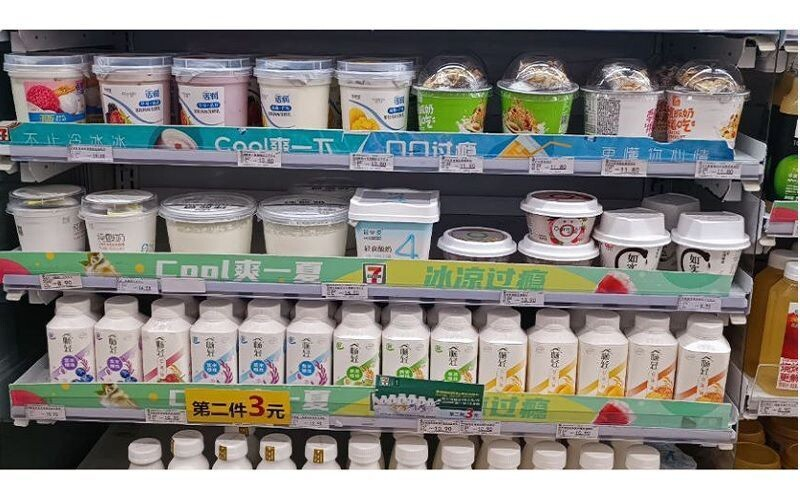
Modern China is very different from the China of a century ago.
Today, milk, yogurt, ice cream, infant formula, cheese, and butter are widely available in cities. Coffee shops serve milk-based drinks, supermarkets stock extensive dairy sections, and advertising campaigns promote calcium and nutrition.
The expansion of dairy consumption accelerated during the twentieth and twenty-first centuries. Milk came to be marketed as a product associated with healthy growth, modern lifestyles, and rising living standards.
However, an important detail remains. Many consumers prefer yogurt, flavored dairy drinks, milk-based desserts, or powdered milk rather than simply drinking large quantities of fresh milk. Dairy entered the modern Chinese diet largely as a commercial product rather than as an ancient cultural tradition.
Even today, average dairy consumption in China remains significantly lower than in many European countries and some other parts of the world. This is not because people are unaware of its nutritional value. Rather, it reflects thousands of years of different culinary development.
So Why Don’t Chinese People Drink Much Milk?
The answer is relatively simple. Historically, Chinese cuisine developed successfully without dairy products. Protein came from soybeans, meat, and fish. Tea was the dominant beverage. Cattle were often valued more for agricultural work than for milk production.
At the same time, lactose intolerance was widespread among adults, reducing the appeal of milk as an everyday food. Dairy products were also culturally associated with pastoral and nomadic peoples rather than with mainstream Chinese cooking.
Today, things are changing. Young people drink milk-based coffee, children eat yogurt, and China’s dairy industry continues to grow rapidly. Yet food traditions tend to evolve slowly. A society that spent thousands of years building its cuisine around rice, tea, and soybeans does not transform its eating habits in a single generation.
Chinese people do not avoid milk simply because they dislike it. They inherited a civilization that developed along a different culinary path—one where dairy was never essential.
About the Creator
Enjoyed the story? Support the Creator.
Subscribe for free to receive all their stories in your feed.
Comments
There are no comments for this story
Be the first to respond and start the conversation.