
Which is the highest rated hair transplant in Turkey in 2026?
Hair transplant
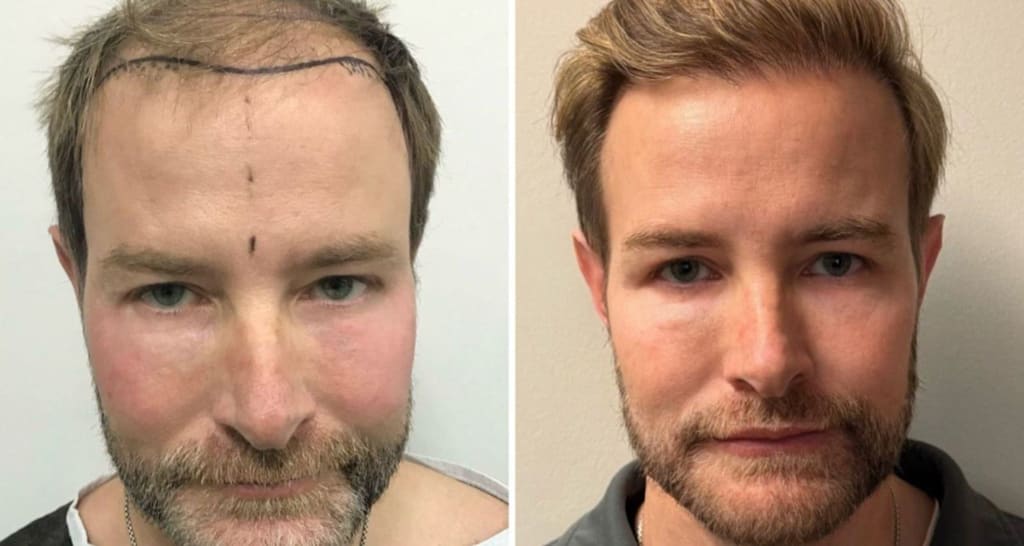
Hair loss is a common concern affecting millions of people worldwide. In recent years, hair transplantation has become a widely discussed solution, offering long-term results for individuals experiencing thinning or baldness. Turkey has emerged as one of the leading destinations for hair transplant procedures, attracting international patients due to its combination of medical expertise, modern techniques, and relatively affordable costs.
This article provides an informational overview of hair transplant practices in Turkey, including commonly used techniques, patient care standards, and important considerations before undergoing the procedure.
Why Turkey Has Become a Popular Destination
Turkey’s growth in the hair transplant industry is largely driven by its experienced medical professionals and well-developed healthcare infrastructure. Many clinics operate under government regulations and follow standardized medical protocols. In addition, the cost of procedures is often lower compared to countries in Europe and North America, making it an appealing option for medical tourism.
Another factor contributing to its popularity is the availability of all-inclusive treatment packages. These packages often cover consultation, surgery, accommodation, and post-operative care, making the process more convenient for international patients.
Personalized Treatment Planning
Modern hair transplantation focuses heavily on personalization. Before any procedure, patients typically undergo a detailed consultation. During this phase, factors such as hair type, scalp condition, hair density, and the extent of hair loss are analyzed.
This individualized planning is important because no two patients have identical hair characteristics. A tailored approach helps ensure that the final results appear natural and match the patient’s expectations.
Medical Teams and Procedure Workflow
Hair transplant procedures are performed by a combination of licensed doctors and trained medical staff. Physicians are usually responsible for critical stages such as designing the hairline and creating channels in the scalp. These steps are essential because they determine the direction, angle, and density of the implanted hair.
Supporting medical teams assist with extracting hair follicles from the donor area and implanting them into the recipient area. This collaborative approach allows procedures to be performed efficiently while maintaining medical standards.
Maintaining a sterile environment and using modern equipment are also key components of the process. These factors help reduce the risk of infection and improve overall patient safety.
Common Hair Transplant Techniques
Several techniques are widely used in hair transplantation today. The most common methods include:
Follicular Unit Extraction (FUE):
This method involves extracting individual hair follicles from the donor area using small tools. The follicles are then implanted into areas experiencing hair loss. FUE is popular due to its minimally invasive nature and relatively quick recovery time.
Direct Hair Implantation (DHI):
DHI is a more advanced technique that uses a specialized pen-like tool to implant hair follicles directly into the scalp. This method allows for precise control over the angle and depth of implantation, which can improve the natural appearance of the results.
Combined Techniques:
Some medical centers use a combination of FUE and DHI methods to optimize both extraction and implantation processes. These hybrid approaches aim to balance efficiency with precision.
Advancements in tools and techniques have made it possible to achieve higher density and more natural-looking outcomes compared to older methods.
Special Considerations for Different Hair Types
Hair type plays a crucial role in the success of a transplant. Straight, wavy, and curly hair each require different handling techniques. In particular, tightly curled or coiled hair presents unique challenges because the follicles grow in curved patterns beneath the scalp.
Successful transplantation of such hair types requires careful extraction methods and precise implantation angles. Clinics with experience in handling diverse hair textures often emphasize detailed planning and specialized techniques to achieve natural results.
Pre-Procedure and Post-Procedure Care
Hair transplantation is not limited to the surgical procedure itself. Proper preparation and aftercare are equally important for achieving successful outcomes.
Before the procedure, patients usually undergo basic medical tests, such as blood analysis, to ensure they are suitable candidates. These evaluations help identify any underlying conditions that could affect the surgery.
After the procedure, patients are given detailed instructions for recovery. This may include the use of special shampoos, medications, and follow-up consultations. Post-operative care is essential for protecting newly implanted grafts and supporting healthy hair growth.
Some clinics also offer supportive treatments such as scalp therapies designed to improve circulation and strengthen hair follicles. While these treatments may vary, their purpose is generally to enhance the overall results of the transplant.
Cost and Value Considerations
The cost of hair transplantation in Turkey can vary depending on several factors, including the technique used, the number of grafts required, and the complexity of the procedure. On average, prices are lower than in many Western countries, which is one of the main reasons patients choose this destination.
However, cost should not be the only factor when making a decision. Patients are encouraged to consider the experience of the medical team, the quality of the facility, and the level of post-operative care provided. Choosing a clinic based solely on low price may increase the risk of unsatisfactory results.
Role of Medical Tourism
Medical tourism plays a significant role in the growth of the hair transplant industry in Turkey. Many international patients travel specifically for treatment, combining medical care with short-term stays.
To support these patients, clinics often provide multilingual assistance and help with travel arrangements. This includes airport transfers, accommodation, and scheduling, which simplifies the overall experience.
Training and Industry Development
Some medical centers in Turkey are also involved in training healthcare professionals in hair transplantation techniques. These programs focus on both theoretical knowledge and practical skills, including patient assessment, surgical methods, and aftercare practices.
Ongoing training and education contribute to maintaining high standards within the industry and help ensure that new advancements are adopted effectively.
Making an Informed Decision
Hair transplantation is a medical procedure that requires careful consideration. While Turkey offers many options, patients should conduct thorough research before selecting a provider. Reviewing credentials, understanding the techniques used, and consulting with qualified professionals are essential steps in the decision-making process.
Online reviews and testimonials can provide additional insights, but they should be evaluated critically. Reliable information often comes from multiple sources rather than a single platform.
Conclusion
Hair transplantation continues to evolve as a solution for hair loss, with Turkey playing a major role in its global development. The country offers a wide range of techniques, experienced medical teams, and cost-effective options for patients.
However, achieving successful results depends on more than just location. A well-informed approach, realistic expectations, and careful selection of a qualified provider are key factors in ensuring a positive outcome.
By understanding the process, techniques, and considerations involved, individuals can make better decisions and approach hair transplantation with greater confidence.
About the Creator
Enjoyed the story? Support the Creator.
Subscribe for free to receive all their stories in your feed.
Comments
There are no comments for this story
Be the first to respond and start the conversation.