
Where Your Money Goes – A Journey Through Three Indian Financial Institutions
I first became interested in financial institutions not through balance sheets, but through the quiet realisation that every rupee I save, borrow or spend passes through some kind of intermediary – often one I have never heard of. The institution that manages my pension is not the same as the bank that holds my savings or the currency system I use every day.

During recent research, I looked closely at three financial organisations that operate at very different layers of India’s economy. Here is what I found.
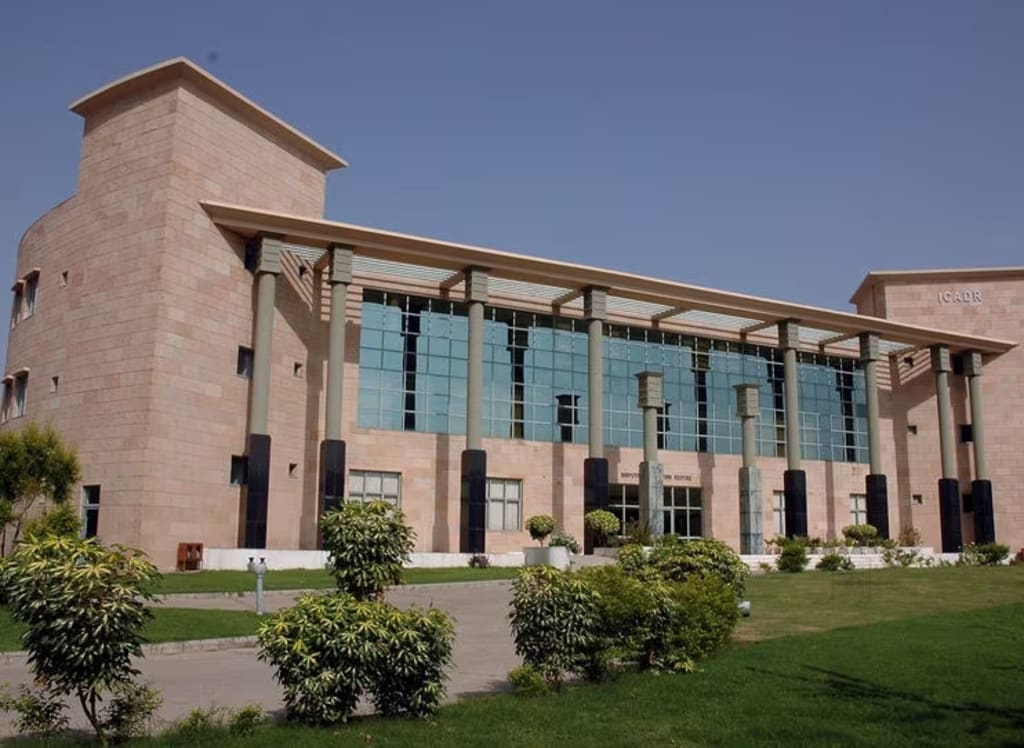
New Delhi – The Pension Regulator with ₹16.5 Lakh Crore
In the 1990s, the Indian government commissioned a report called OASIS – an acronym for Old Age Social and Income Security. The report made a startling recommendation: the traditional defined‑benefit pension system for government employees was unsustainable. India needed a defined‑contribution system instead.
That system became the National Pension System (NPS), and the institution created to run it was the PFRDA. The authority opened its doors as an interim body on 23 August 2003, just in time to launch the NPS on 1 January 2004.
PFRDA‘s headquarters is in New Delhi, and it is led by a chairman appointed by the central government. The authority‘s mandate is to promote, develop and regulate the pension sector. The NPS has grown enormously. By April 2026 it had over 2.20 crore subscribers and assets worth ₹16.5 lakh crore. PFRDA also oversees the Atal Pension Yojana, which had enrolled around 7.49 crore subscribers. The authority also registers and supervises pension fund managers, central record‑keeping agencies and points of presence.
For a government employee in Delhi, or a schoolteacher in Tamil Nadu, or a shopkeeper in Gujarat who has signed up for NPS, PFRDA is the institution that makes sure their retirement savings are safe.
Kollam – A Cooperative Bank in Kerala’s Village Network
The cooperative banking movement in India wanted to break the power of village moneylenders who charged exorbitant interest rates. Kollam District Co‑operative Bank was one of the soldiers in that fight.
The bank was a district central cooperative bank (DCCB) serving the Kollam district of Kerala. DCCBs sit in the middle of a three‑tier credit structure: at the top is the Kerala State Co‑operative Bank, in the middle are DCCBs like Kollam, and at the bottom are the primary agricultural credit societies in each village. The Kollam DCB operated branches in Odanavattom, Punalur, Kollam Main and other towns, offering deposit and loan services to farmers and small businesses.
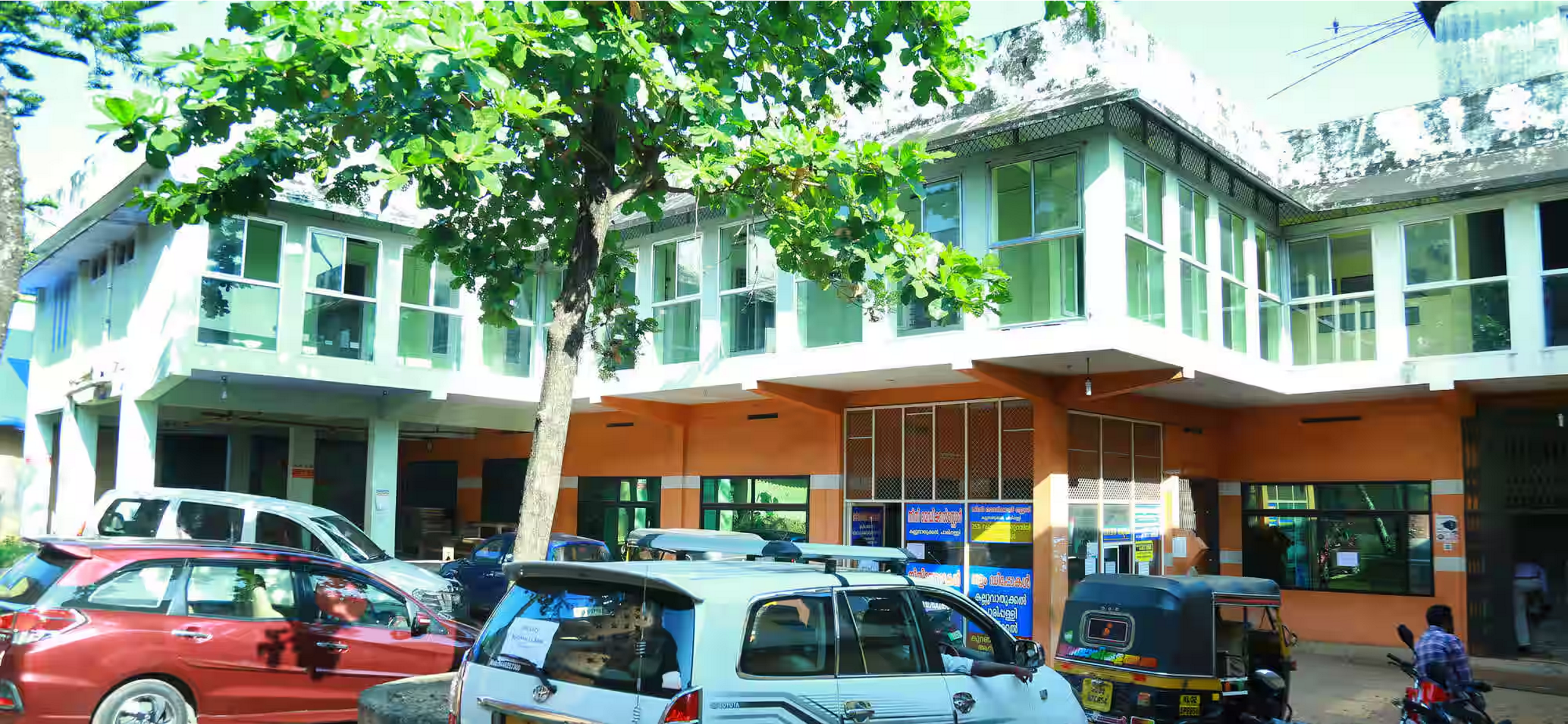
In November 2019 the Kerala government decided to merge all fourteen DCCBs in the state into a single entity called Kerala Bank. The Kollam DCB was absorbed into the new structure.
In the same district, however, other cooperatives showed what the movement could achieve. The Kadakkal Service Cooperative Bank was founded in 1954 as a farmers‘ society. By 2017 it had over 34,000 members and deposits worth ₹245 crore. The bank used a significant part of its net profit for medical aid, scholarships and organic farming. It was a model of welfare banking – inspired by the economist Amartya Sen.
Kollam DCB’s story is a reminder of both the cooperative sector‘s promise and the political forces that reshaped it.
India – The Digital Rupee Pilot Bank
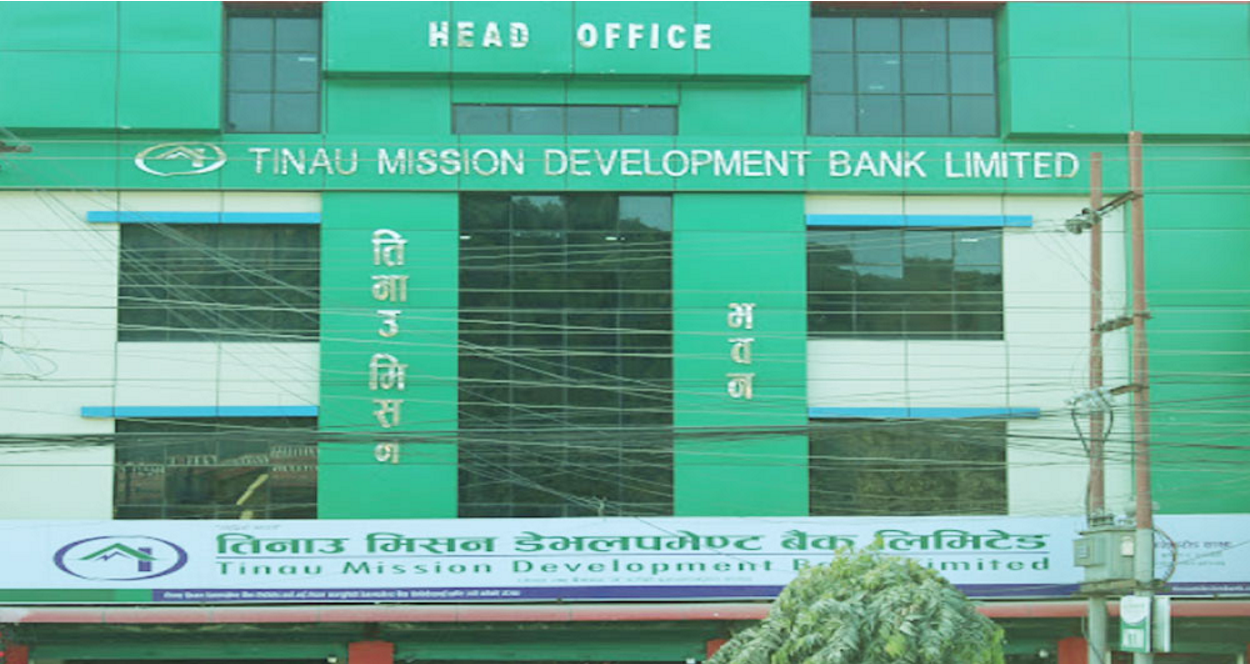
India’s central bank, the Reserve Bank of India, launched a pilot for its digital rupee in December 2022. Tina U Bank was one of the first banks to join the pilot.
The digital rupee is a central bank digital currency – a tokenised form of cash that is a direct liability of the RBI. Every e₹ bank note is legal tender in the same way a physical note is. The currency is designed to work in offline mode, which makes it useful in rural areas where internet connections are patchy.
The pilot started with a handful of banks and a closed user group of customers. By March 2025, 17 banks were participating, and the system covered about 60 lakh users. Transaction volumes reached ₹5.70 crore in the early months. The RBI plans to expand the digital rupee to all banks after the pilot is complete.
Tina U Bank’s early involvement signals a digital‑first strategy. For customers who like to be at the cutting edge of technology, the bank offers an opportunity to use the most advanced form of digital currency in India today.
About the Creator
Sibyl Grimes
I’m Sibyl Grimes, a physicist in quantum materials. By day I study complex systems; on my blog I share smart travel hacks, efficient planning tips, and ways to explore the world with a curious, analytical mindset.
Enjoyed the story? Support the Creator.
Subscribe for free to receive all their stories in your feed.
Comments
There are no comments for this story
Be the first to respond and start the conversation.