
What Makes an Authentic Italian Restaurant?
How important is food in Italian culture?

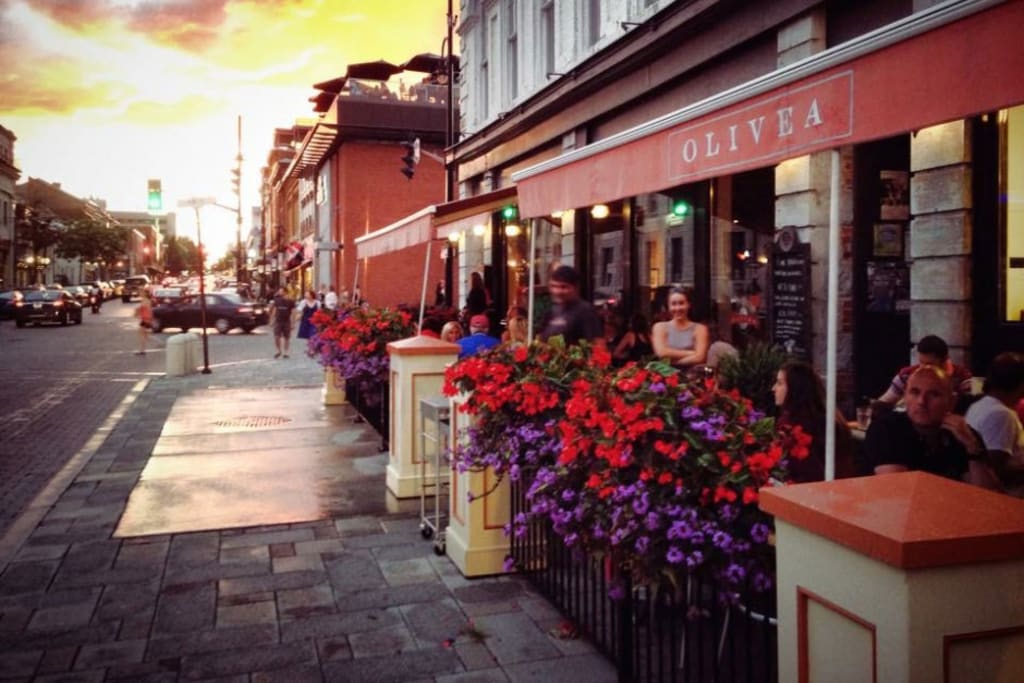
When dining out, the term "authentic Italian" often catches the eye, but what does it truly mean? Italian cuisine is celebrated for its simplicity, freshness, and regional diversity. Let’s explore the essential elements that make an Italian restaurant genuinely authentic.
1. Fresh, High-Quality Ingredients
Authenticity begins with the ingredients. Italian cuisine prioritizes freshness, relying on staples like:
Extra Virgin Olive Oil: A cornerstone of Italian cooking.
San Marzano Tomatoes: Preferred for sauces due to their rich flavor.
Parmigiano Reggiano: Aged to perfection and packed with umami.
Fresh Herbs: Basil, parsley, and oregano are commonly used.
An authentic Italian restaurant sources seasonal, high-quality ingredients, often importing specialty items directly from Italy.
2. Regional Specialties
Italy’s culinary landscape varies significantly by region. For example:
Northern Italy highlights creamy risottos and rich meats.
Southern Italy showcases seafood, fresh vegetables, and sun-kissed flavors.
Authentic establishments embrace these regional differences rather than offering a generic menu.
3. Handmade Pasta
True Italian restaurants make their pasta in-house, often boasting traditional techniques passed down through generations. Look for dishes like:
Tagliatelle with Bolognese Sauce: A staple from Emilia-Romagna.
Pappardelle al Cinghiale: Wild boar sauce from Tuscany.
Handmade pasta has a distinct texture and flavor that sets it apart.
4. Simple, Yet Elegant Dishes
Italian cuisine isn’t about over-complicated recipes. It’s about letting the natural flavors shine. For instance:
A Caprese Salad uses just mozzarella, tomatoes, basil, and olive oil.
Cacio e Pepe relies on only pasta, Pecorino Romano, and black pepper.
Authentic chefs master the art of doing more with less.
5. Italian Wine and Coffee
A genuine Italian restaurant offers an impressive selection of Italian wines, including Chianti, Barolo, and Prosecco. After the meal, a proper espresso or macchiato completes the experience.
6. Ambiance and Hospitality
An authentic Italian dining experience isn’t only about the food. The atmosphere matters too:
Warm, family-oriented hospitality.
Rustic décor reminiscent of an Italian trattoria.
A slower dining pace, encouraging patrons to savor the moment.
7. Commitment to Tradition
True Italian chefs respect tradition while adding their personal flair. They prioritize:
Traditional cooking techniques.
Honoring recipes passed down through generations.
What is the difference between trattoria and ristorante?
The terms trattoria and ristorante refer to different styles of Italian dining, distinguished primarily by their atmosphere, formality, and offerings:
Trattoria
Casual Atmosphere: Trattorias are typically more informal and relaxed.
Traditional Cuisine: They often serve simple, home-style Italian dishes that reflect local and seasonal ingredients.
Smaller Menu: Menus are usually smaller, with a focus on a few well-prepared dishes.
Family-Owned: Many trattorias are family-run, giving them a cozy and personal touch.
Moderate Pricing: Prices are usually lower than those at a ristorante.
Ambiance: Décor is often rustic and less polished.
Ristorante
Formal Atmosphere: Ristoranti are more formal and upscale.
Professional Service: Service is polished and provided by trained staff.
Extensive Menu: They often have larger menus with more elaborate dishes.
Fine Dining: Ingredients and preparation may be more sophisticated or gourmet.
Higher Pricing: Meals at a ristorante are usually more expensive.
Ambiance: Décor tends to be more refined and elegant.
What are the three types of restaurants?
Restaurants can be categorized into several types based on their style, service, and pricing. While there are many nuanced variations, three broad categories are:
1. Quick Service Restaurants (QSR)
Also Known As: Fast food or fast-casual restaurants.
Characteristics:
Emphasis on speed and convenience.
Counter service or self-service.
Limited menu items, often focused on burgers, sandwiches, pizza, or similar items.
Minimal or no table service.
2. Casual Dining Restaurants
Characteristics:
Relaxed, family-friendly atmosphere.
Moderate pricing.
Table service with a varied menu, including appetizers, entrees, and desserts.
Alcoholic beverages may be available.
3. Fine Dining Restaurants
Characteristics:
Formal atmosphere with an emphasis on high-quality food and exceptional service.
Elaborate menu featuring gourmet dishes and often wine pairings.
Higher price points.
Attention to detail in presentation, ambiance, and service.
These categories reflect different dining experiences, catering to varying customer preferences, budgets, and occasions.
Final Thoughts
An authentic Italian restaurant is a celebration of Italy's culinary heritage. From fresh ingredients to handmade pasta, regional diversity, and warm hospitality, these elements come together to offer an unforgettable dining experience.
When searching for authenticity, remember: it’s not just about the label but the passion, quality, and care behind every dish. Buon appetito!
About the Creator
sam harris
We specialize in bringing classic wines from classic regions to wine lovers in Ontario. We work with small wineries in Europe and are constantly on the lookout for the next new discovery.
Enjoyed the story? Support the Creator.
Subscribe for free to receive all their stories in your feed.
Comments
There are no comments for this story
Be the first to respond and start the conversation.