
Understanding Nail Fungus and How to Effectively Get Rid of It
Nails fungus treatment
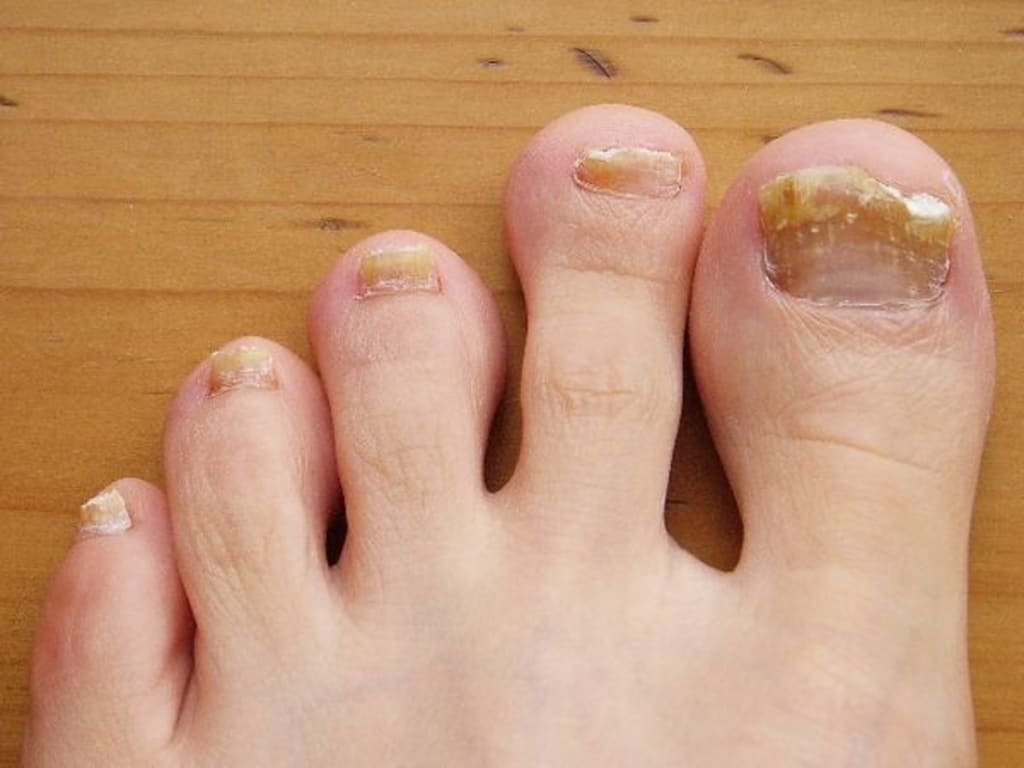
Nail fungus, also known as onychomycosis, it is a common condition that affects millions of people worldwide. It’s characterized by thickened, discolored, and brittle nails, often accompanied by an unpleasant odor. While nail fungus may not be life-threatening, it can significantly impact one’s confidence and overall nail health. In this article, we’ll explore what causes nail fungus, its symptoms, and proven methods to treat and prevent it.
Click here to learn more about how to get rid of nails fungus
What Causes Nail Fungus?
Nail fungus is caused by an overgrowth of fungi in, under, or on the nail. These fungi thrive in warm, moist environments, making places like swimming pools, public showers, and sweaty shoes common culprits.
Key risk factors include:
Age: Older adults are more prone due to slower nail growth and decreased immunity.
Health Conditions: Diabetes, poor circulation, and weakened immune systems increase susceptibility.
Nail Trauma: Injuries or cracks in the nail provide entry points for fungi.
Hygiene Practices: Wearing tight footwear, sharing nail tools, or walking barefoot in damp communal areas.
Symptoms of Nail Fungus
Common signs of nail fungus include:
Thickened nails
Yellow, brown, or white discoloration
Brittle or crumbling nails
Distorted nail shape
Separation of the nail from the nail bed
Foul odor
If left untreated, the infection can spread to other nails or surrounding skin, causing discomfort.
How to Get Rid of Nail Fungus
There are several effective treatments for nail fungus, ranging from over-the-counter remedies to professional medical interventions.
1. Over-the-Counter Antifungal Products
Look for antifungal creams, gels, or nail lacquers containing ingredients like clotrimazole or terbinafine. These products work best for mild cases and require consistent application for several weeks.
2. Prescription Treatments
For stubborn or severe infections, consult a doctor. Prescription options include:
Topical Medications: Medicated nail polishes or ointments like ciclopirox or efinaconazole.
Oral Antifungal Pills: Drugs like terbinafine or itraconazole can treat the infection systemically, promoting healthy nail growth from within.
3. Home Remedies
Some people find relief by using natural remedies, such as:
Tea Tree Oil: Known for its antifungal properties, tea tree oil can only be applied directly to the nail.
Vinegar Soaks: A mixture of vinegar and water can create an acidic environment that inhibits fungal growth.
Garlic Paste: Garlic has antifungal properties and can be applied as a paste to infected nails.
While these remedies may work for mild cases, they aren’t always a substitute for medical treatments.
4. Laser Therapy
Laser treatment is a modern, non-invasive option that targets and kills fungi without damaging the surrounding tissue. Though effective, it can be costly and may require multiple sessions.
5. Surgical Removal
In extreme cases, the infected nail may need to be removed entirely to allow a healthy nail to grow in its place.
Preventing Nail Fungus
Prevention is key to maintaining healthy nails. Here are some tips to keep fungal infections at bay:
Keep your nails clean and dry.
Avoid sharing nail tools or wearing someone else’s shoes.
Use antifungal powders or sprays in your shoes.
Wear breathable footwear and moisture-wicking socks.
Trim your nails straight across to prevent injury.
Avoid walking barefoot in communal areas like gyms or pools.
When to See a Doctor
If your nail fungus doesn’t improve with over-the-counter treatments or spreads to multiple nails, consult a healthcare professional. Ignoring the condition can lead to permanent nail damage and secondary infections.
Click here to learn more about how to get rid of nails fungus
Conclusion
Nail fungus can be stubborn, but with the right approach, it’s possible to restore your nails to their healthy state. Whether you opt for home remedies, over-the-counter treatments, or professional care, consistency is key. Pair treatment with good hygiene practices to keep fungal infections from recurring. If in doubt, seek medical advice to ensure you’re on the right path to healthy nails.
Got tips or experiences with treating nail fungus? Share them in the comments below!
About the Creator
Enjoyed the story? Support the Creator.
Subscribe for free to receive all their stories in your feed.
Comments
There are no comments for this story
Be the first to respond and start the conversation.