
Top Factors to Consider Before Buying a Startup Business
Key Considerations When Purchasing a Startup Business
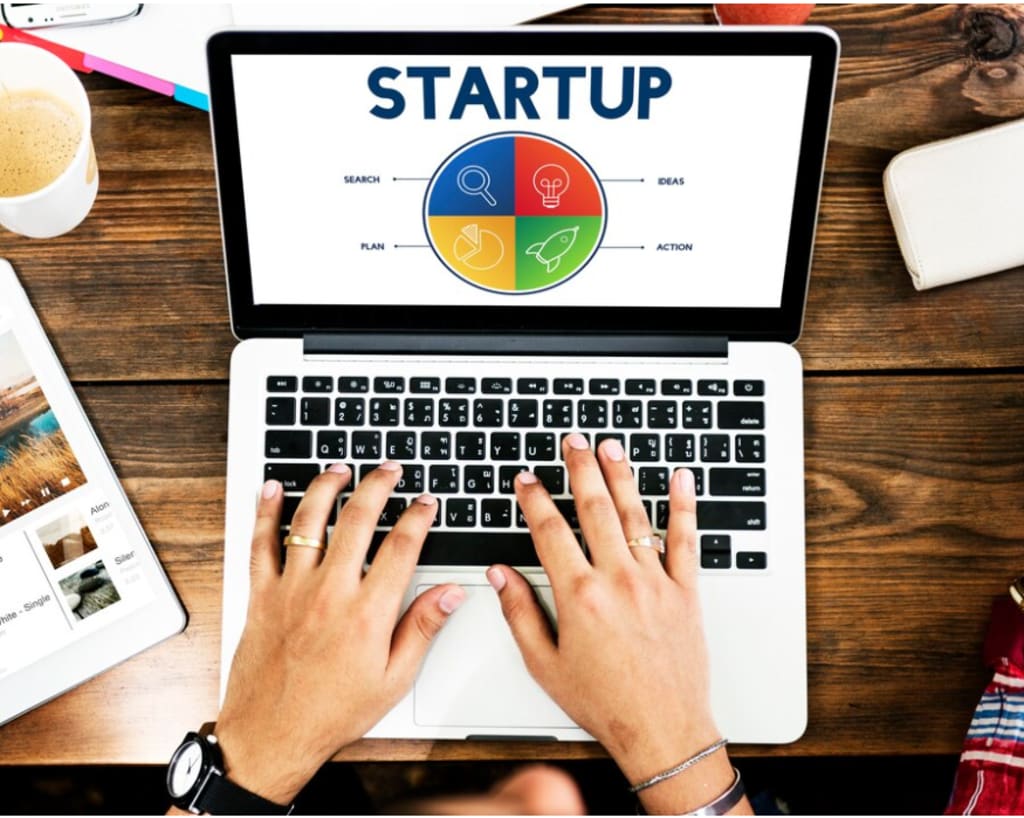
Purchasing a startup business can be a fantastic opportunity, but it comes with unique challenges. The decision to buy a startup requires thoughtful consideration of numerous factors that could impact the success of your investment. This blog explores the top things you should examine before committing to buy, including the pros and cons of owning a startup, along with some FAQs to guide you in your decision.
If you're ready to explore profitable opportunities, there are great places to start. You can even Explore Profitable Businesses for Sale on Bizcurd, a marketplace designed to connect buyers with successful startups.
1. Financial Health of the Business
One of the most critical factors when buying a startup is examining its financial health. A detailed review of financial documents will give you insight into the company's past performance and future potential.
Things to Consider:
Revenue Trends: Has the business been consistently generating revenue, or has it been volatile? Consistency often suggests a more stable business model.
Expenses: Evaluate operational costs, marketing expenses, and debts. A business with high expenses but minimal profit may indicate underlying problems.
Profit Margins: A healthy profit margin means the business is earning enough to cover costs and reinvest in growth.
Pros:
Provides a clear picture of the business’s financial performance.
Identifies potential cash flow problems or opportunities for cost-saving.
Cons:
Startups may not have a long financial history to analyze.
Newer businesses often have higher expenses relative to their income.
2. Market and Industry Trends
Understanding the market in which the startup operates is essential. A business that performs well in a growing industry has a better chance of long-term success compared to one in a declining sector.
Consider These Factors:
Market Demand: Is there a growing demand for the product or service the business offers?
Competitors: How saturated is the market? A business facing intense competition might struggle unless it has a unique selling proposition (USP).
Customer Behavior: Is the target market likely to grow or shift?
Pros:
A growing industry increases your chances of success.
A well-established niche can provide a stable customer base.
Cons:
Markets can change quickly, making future trends unpredictable.
Heavy competition can stifle growth, especially for newer startups.
3. Legal Considerations
Before buying any business, it’s crucial to conduct due diligence on legal matters. This includes reviewing contracts, intellectual property rights, and any potential legal issues the startup might face.
Legal Factors to Consider:
Ownership of Intellectual Property: Does the business own all rights to its technology, patents, or branding? Lack of ownership could lead to legal disputes.
Contracts and Agreements: Examine any ongoing contracts with suppliers, customers, or employees. Are they favorable and legally binding?
Licensing and Compliance: Ensure the startup complies with local laws and regulations. This includes business licenses, permits, and industry-specific requirements.
Pros:
Helps avoid legal troubles post-purchase.
Clarifies the status of key assets and intellectual property.
Cons:
Legal due diligence can be costly and time-consuming.
Some legal risks may not be immediately apparent.
4. Customer Base and Reputation
A startup’s customer base is one of its most valuable assets. When evaluating the business, consider the size and loyalty of its customer base as well as its reputation in the market.
What to Look For:
Customer Retention Rate: High customer retention indicates strong customer satisfaction and loyalty.
Customer Reviews and Feedback: Positive reviews and word-of-mouth can signal a healthy business. On the other hand, negative feedback can highlight areas for improvement.
Market Positioning: How is the business perceived in the market? A startup with a strong reputation will have a better chance of thriving.
Pros:
A strong customer base leads to repeat business and predictable revenue.
Positive reputation reduces marketing costs and builds brand loyalty.
Cons:
A business with poor reviews or low customer retention may need extensive rebranding.
Changing customer perceptions can take time and resources.
5. Growth Potential and Scalability
Scalability is a vital factor for any startup, especially for buyers looking to expand the business. A scalable business model allows for rapid growth without a significant increase in operational costs.
Growth Considerations:
Business Model Scalability: Can the business easily increase production or services without significantly raising costs?
Untapped Markets: Is there an opportunity to expand the business into new markets or regions?
Innovation and Development: Does the business have a pipeline of new products or services to sustain long-term growth?
Pros:
Startups with high growth potential can offer substantial returns on investment.
A scalable business can grow quickly without significant additional capital.
Cons:
High-growth businesses may require additional capital to expand.
Scaling too quickly without proper infrastructure can lead to operational challenges.
Pros and Cons of Buying a Startup Business
Pros:
Immediate Entry: Buying a startup gives you instant access to an existing business model, avoiding the lengthy setup phase.
Established Systems: Many startups have operational systems in place, saving you the time and effort of building these from scratch.
Potential for High Growth: A well-chosen startup can offer rapid growth and high returns, especially in a booming market.
Cons:
Uncertainty: Startups can be risky, especially if they are new to the market and lack a proven track record.
Higher Initial Costs: Established startups may require a significant upfront investment compared to launching a new business.
Operational Challenges: You may need to address operational inefficiencies or staff-related issues upon purchase.
6. The Role of BizCurd in Startup Acquisitions
If you're looking to Explore Profitable Businesses for Sale on Bizcurd, you'll find a range of vetted startups with detailed financial records, customer data, and growth potential. BizCurd offers a secure marketplace for buying and selling online businesses, ensuring transparency and reliability throughout the process.
How BizCurd Simplifies the Process:
Vetting Process: Every business on BizCurd undergoes rigorous vetting, providing buyers with confidence in the legitimacy and profitability of their purchase.
Expert Support: From valuation to negotiations, BizCurd offers expert guidance to both buyers and sellers, simplifying the entire transaction process.
Secure Payments: The platform ensures secure payment transactions, protecting both buyers and sellers.
FAQs
Q1: What should I do if a startup’s financial history is limited?
A: If the startup is relatively new and lacks a long financial track record, focus on other indicators such as market trends, customer retention, and the scalability of the business model. Consider hiring an expert to help assess the business's potential.
Q2: Is it better to start a new business or buy an existing startup?
A: Buying an existing startup comes with the advantage of immediate operations, revenue, and market presence, while starting from scratch allows for complete creative control but often involves more risk and a longer timeline to profitability.
Conclusion
Buying a startup business is a significant decision that requires careful consideration of various factors, from financial health to growth potential. While it offers immediate entry into a market with the potential for high returns, it also comes with its risks, especially in terms of legal and operational challenges.
To ensure success, platforms like BizCurd provide a valuable service, allowing buyers to explore profitable businesses for sale with confidence. Whether you're new to the entrepreneurial world or a seasoned investor, BizCurd simplifies the process, helping you find a startup that aligns with your goals and vision.
Before making your move, take the time to conduct thorough due diligence, weigh the pros and cons, and ensure that the startup you’re buying has the potential to deliver the results you’re aiming for.
About the Creator
Enjoyed the story? Support the Creator.
Subscribe for free to receive all their stories in your feed.
Comments
There are no comments for this story
Be the first to respond and start the conversation.