
Top 10 Resources for Mental Health Support and Growth: A Comprehensive Guide
Essential Resources for Support and Personal Growth
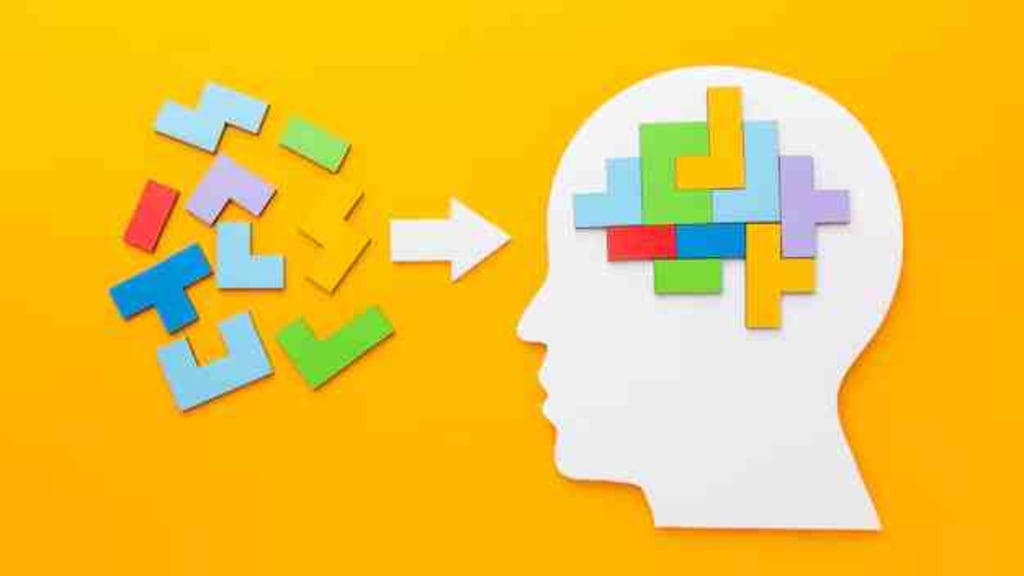
Maintaining mental health and well-being is an ongoing journey that often requires a combination of professional support, personal tools, and community resources. Navigating this landscape can be overwhelming, but knowing where to turn for help can make a significant difference. This guide explores the top 10 resources for mental health support and growth, offering valuable tools and services to help you on your path to wellness.
1. Therapists and Counselors
Professional therapists and counselors provide tailored support to address a wide range of mental health issues. They offer strategies for managing stress, overcoming trauma, and developing healthier coping mechanisms. Look for licensed professionals with experience in areas that align with your needs, whether through personal referrals or trusted online directories.
2. Support Groups
Support groups provide a safe space for individuals to share their experiences and gain encouragement from others facing similar challenges. Whether in-person or online, these groups can offer valuable emotional support and practical advice. For those struggling with specific issues such as anxiety, depression, or addiction, finding a specialized support group can be particularly beneficial.
3. Mental Health Apps
Technology offers numerous apps designed to support mental health and well-being. Apps like Headspace and Calm provide guided meditations and mindfulness exercises, while others like Moodfit and Happify offer tools for tracking moods and building positive habits. These resources can be a great supplement to traditional therapy, helping individuals manage their mental health on a daily basis.
4. Helplines and Crisis Support
When facing a mental health crisis, immediate support is crucial. National helplines, such as the Suicide & Crisis Lifeline (988), offer confidential assistance 24/7. These services provide support during times of crisis and can connect individuals with further resources for ongoing help.
5. Educational Websites and Online Courses
Educational websites and online courses can provide valuable information and self-help techniques. Platforms like Coursera and Udemy offer courses on mental health topics, including stress management and emotional resilience. Additionally, websites like the National Alliance on Mental Illness (NAMI) offer educational resources and tools for understanding and managing mental health conditions.
6. Books and Journals
Books and journals offer in-depth insights and personal growth strategies. Books such as “The Gifts of Imperfection” by Brené Brown or “Feeling Good” by David D. Burns provide practical advice and evidence-based techniques for improving mental health. Journals, including guided journals for self-reflection and gratitude, can also help individuals process their thoughts and feelings.
7. Community Mental Health Services
Local community mental health services offer affordable and accessible support. These services may include counseling, psychiatric care, and wellness programs. Many communities have clinics and organizations dedicated to providing mental health services to individuals regardless of their financial situation.
8. Online Forums and Communities
Online forums and communities can offer a sense of connection and understanding. Platforms like Reddit’s r/mentalhealth and various mental health-focused forums provide spaces for individuals to discuss their experiences, seek advice, and find solidarity with others facing similar issues.
9. Workshops and Seminars
Workshops and seminars on mental health topics provide opportunities for learning and personal development. These events, often hosted by mental health organizations or community centers, cover topics such as stress management, resilience building, and effective communication skills. Attending these events can enhance your understanding and equip you with practical tools for improving mental well-being.
10. Faith-Based Resources
For those who find solace in their faith, faith-based resources can offer spiritual and emotional support. Churches, religious organizations, and faith-based counseling services provide support that integrates spiritual beliefs with mental health care. Resources such as prayer groups, faith-based counseling, and spiritual retreats can be valuable for those seeking guidance aligned with their beliefs.
Conclusion
Navigating mental health challenges requires a multifaceted approach, combining professional support with personal and community resources. The top 10 resources outlined in this guide—ranging from therapists and support groups to mental health apps and faith-based resources—offer a comprehensive toolkit for enhancing mental health and promoting personal growth. By utilizing these resources, individuals can find the support they need to manage their mental health effectively and build a foundation for lasting well-being.
For more information on mental health resources and how Guillaume Counseling can support your journey, contact us today. We are here to help you find the right resources and support for your unique needs.
About the Creator
Guillaume Counceling Services
Discover compassionate mental health support at Guillaume Counseling. We focus on maternal and paternal mental health, cultural diversity, and faith-based counseling.
Enjoyed the story? Support the Creator.
Subscribe for free to receive all their stories in your feed.
Comments
There are no comments for this story
Be the first to respond and start the conversation.