
The Iron Standard: A Guide to the Modern Combat Knife
Combat Knife
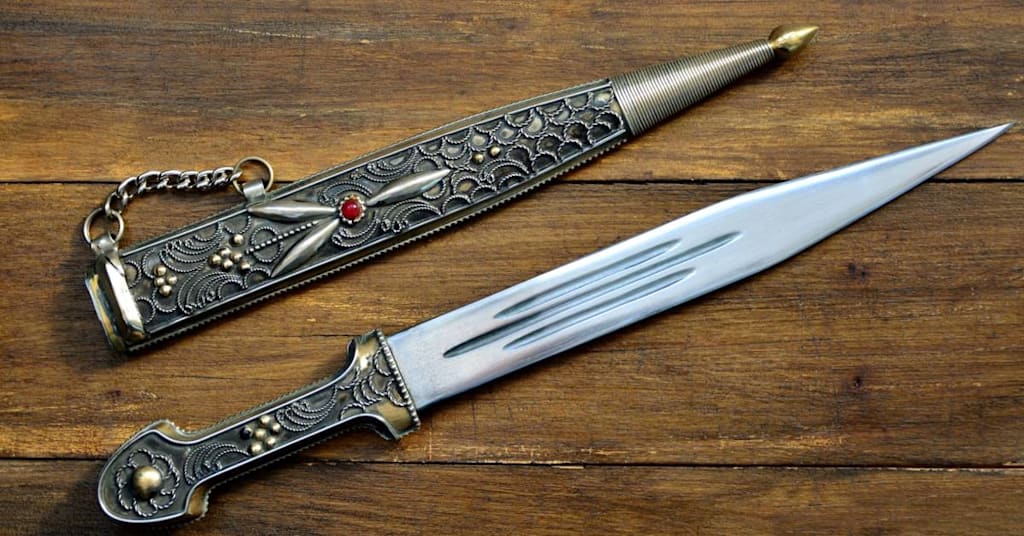
In the world of tactical gear, the combat knife stands as a "sharp, silent witness" to centuries of martial evolution. While modern warfare is defined by long-range ballistics and digital interfaces, the requirement for a rugged, fixed-blade tool remains a mechanical necessity for soldiers, survivalists, and outdoor professionals alike. True combat is not just a weapon; it is a versatile multi-tool designed to breach, cut, pry, and defend in environments where failure is not an option. Understanding the modern combat knife requires an analysis of the "triple-threat" blueprint: metallurgy, geometry, and ergonomics.
The Metallurgy of the Modern Blade
The performance of a Combat Knife begins at the molecular level. In 2026, the transition toward high-carbon and specialized alloy steels has redefined what a blade can endure.
1095 Cro-Van Steel: This remains the gold standard for many military-grade knives. It is prized for its extreme toughness and ease of sharpening in the field. While it requires a protective coating to prevent rust, its ability to take a beating makes it a primary choice for heavy-duty combat applications.
S30V and S35VN Steel: For those seeking the ultimate balance of edge retention and corrosion resistance, these "super steels" are the preferred blueprint. They stay sharp through grueling tasks like cutting paracord or clearing brush without the need for constant maintenance.
T10 and Tool Steels: Often found in high-end tactical designs, these steels provide a "hardened core" that can withstand high-impact strikes without chipping.
Iconic Designs: The World's Premier Combat Knives
When looking for a combat knife, three models consistently stand out for their proven track record and engineering excellence.
The KA-BAR Full Size USMC is perhaps the most famous combat in history. Originally designed for the United States Marine Corps in WWII, its 7-inch clip point blade and stacked leather handle provide a reach and grip that have remained virtually unchanged for decades. It is the archetype of the "fighting utility" knife.
For a more modern, streamlined approach, the Benchmade Nimravus offers a low-profile fixed-blade solution. Crafted from 154CM stainless steel with an anodized aluminum handle, this amazing knife is designed for speed and precision. Its full-tang construction ensures it can handle prying tasks without compromising the integrity of the hilt.
If your operational environment involves potential rescue scenarios, the Gerber LMF II Infantry is a powerhouse. This combat knife features a glass-breaker butt cap and a handle that is electrically insulated. It was specifically engineered to help aircrews escape downed aircraft, making it one of the most versatile survival-focused combat tools on the market.
The Anatomy of Retention and Deployment
A combat knife is only effective if it stays in your hand and can be accessed instantly. Modern ergonomics focus on "zero-slip" performance.
Full-Tang Construction: A professional combat must be full-tang, meaning the steel of the blade runs the entire length of the handle. This provides the structural skeleton needed for high-impact use.
G-10 and Zytel Handles: These synthetic materials are impervious to water, oil, and extreme temperatures. They feature aggressive texturing to ensure a secure grip even when wearing tactical gloves or in wet conditions.
MOLLE-Compatible Sheaths: In 2026, the "scabbard" is as high-tech as the blade. Kydex or glass-filled nylon sheaths allow for inverted carry and silent drawing, ensuring the knife is always within the user's natural "reach zone."
Maintaining the Edge
Owning a combat knife carries a responsibility of maintenance. To ensure your blade is "sharp and silent" when called upon, follow these three pillars of stewardship:
Corrosion Prevention: Even stainless steels can rust in salt-heavy or humid environments. A light coat of mineral oil or specialized knife wax is essential for long-term storage.
Edge Geometry: Use a diamond hone or ceramic rod to maintain the factory bevel. For a combat knife, a 20-degree edge angle is typically the best compromise between razor sharpness and structural durability.
Mechanical Inspection: Regularly check the handle scales for loose screws and the sheath for retention strength. A tool that rattles is a liability in a tactical environment.
A Tool of Absolute Intent
Ultimately, the Combat Knife is a testament to the philosophy of being "over-prepared." It is a tool of absolute intent, a bridge between survival and success. By selecting a blade like the KA-BAR or the Nimravus that aligns with your specific needs and maintaining it with the discipline it deserves, you are securing a partner that will stand by you in the most demanding conditions.
About the Creator
Enjoyed the story? Support the Creator.
Subscribe for free to receive all their stories in your feed.
Comments
There are no comments for this story
Be the first to respond and start the conversation.