
THE EFFECTS OF STRESS ON PHYSICAL AND MENTAL HEALTH
Prepared by Mubarek Jemal
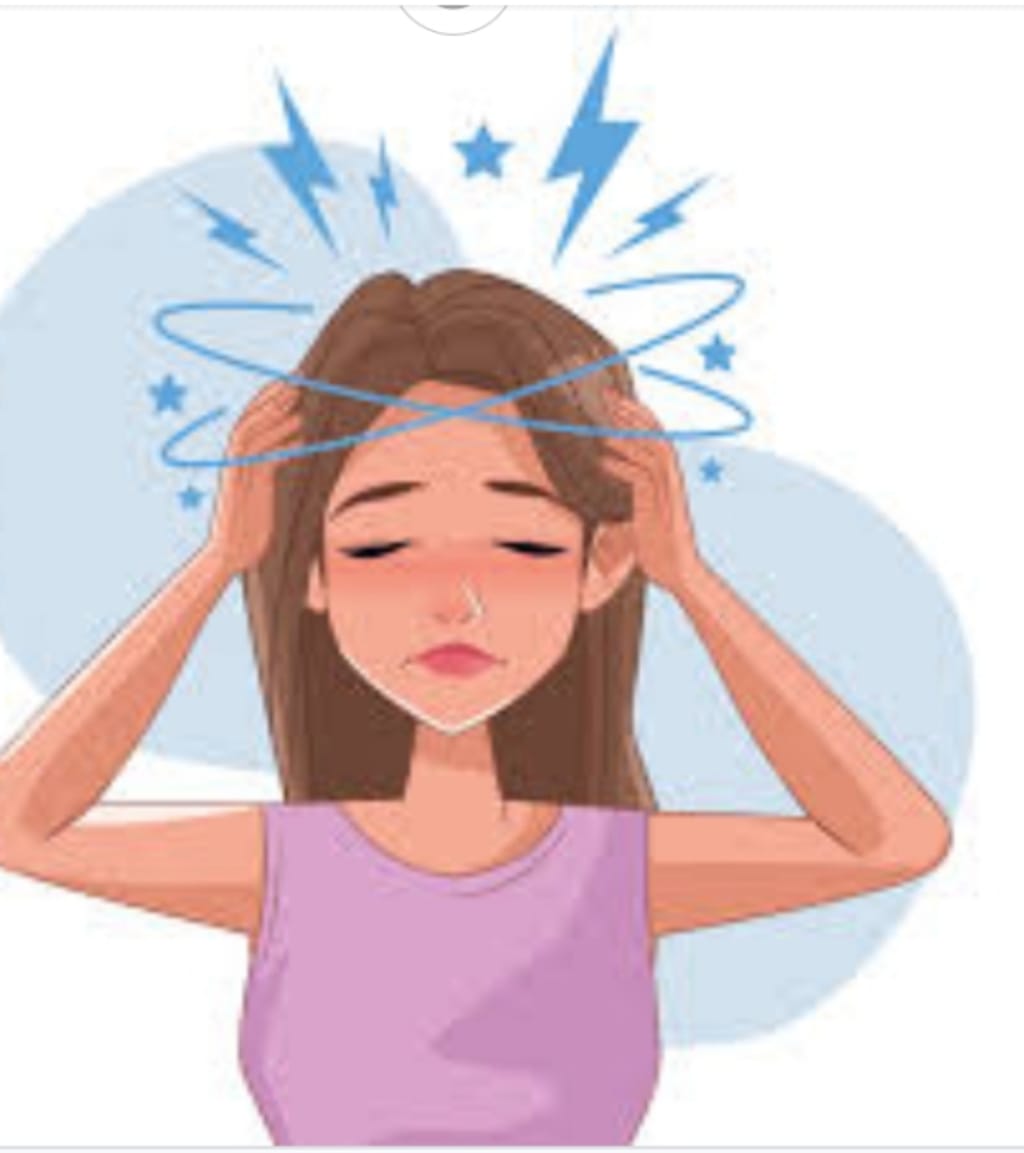
The Effects of Stress on Physical and Mental Health
Stress can be defined as a state of worry or mental tension caused by a difficult situation. Stress is a natural human response that prompts us to address challenges and threats in our lives. Everyone experiences stress to some degree. The way we respond to stress, however, makes a big difference to our overall well-being.
Stress is an unavoidable part of life. From work pressures and personal challenges to financial worries and relationship difficulties, everyone experiences stress to some degree. While a certain amount of stress can be beneficial as it can motivate and improve performance, excessive or chronic stress can have detrimental effects on physical and mental health. In this article, we will explore the various ways in which stress impacts our well-being.
Let's start with the physical effects of stress on the body. When faced with a stressful situation, the body releases stress hormones such as cortisol and adrenaline. While these hormones can be helpful in short bursts, they can be harmful when constantly elevated. Chronic stress can lead to problems such as high blood pressure, weakened immune system, and increased risk of cardiovascular diseases. It can also contribute to weight gain or loss, digestive issues, headaches, and muscle tension. Over time, if stress is not managed effectively, it can even accelerate the aging process.
Not only does stress affect our physical well-being, but it also takes a toll on our mental health. Persistent stress can lead to anxiety, depression, and mood disorders. It can cause individuals to become irritable, easily overwhelmed, and have difficulty concentrating or making decisions. Moreover, chronic stress has been linked to an increased risk of developing mental illnesses such as post-traumatic stress disorder (PTSD) and panic disorders. Prolonged stress can also disrupt sleep patterns, leading to insomnia or other sleep disorders. This, in turn, can further exacerbate mental health issues.
In addition to its direct impact on physical and mental health, stress can also lead to unhealthy coping mechanisms. Many people turn to behaviors such as overeating or indulging in unhealthy foods, smoking, excessive alcohol consumption, or substance abuse to alleviate stress temporarily. These behaviors may provide momentary relief, but in the long run, they can have serious detrimental effects on overall health and create a vicious cycle of stress and unhealthy habits.
Moreover, stress can have negative ramifications on personal relationships and social interactions. When stressed, individuals may become more irritable, withdrawn, or display angry outbursts, causing strain in relationships. It can also lead to a lack of motivation or energy to engage in social activities, resulting in isolation and loneliness. Supportive relationships and social connections are essential for maintaining good mental health, so chronic stress can hinder one's ability to cultivate these important bonds.
While stress is a natural part of life, it is crucial to develop effective stress management techniques to mitigate its impact on our well-being. Engaging in regular physical activity, practicing relaxation techniques such as deep breathing or meditation, and maintaining a healthy lifestyle with balanced nutrition and sufficient sleep can help reduce stress levels. Additionally, seeking support from friends, family, or mental health professionals can provide valuable guidance and a listening ear during challenging times.
In conclusion, stress can have profound effects on both our physical and mental health. From increased risks of physical ailments to the development of mental illnesses and unhealthy coping mechanisms, chronic stress takes a toll on our overall well-being. Recognizing the signs and symptoms of stress and proactively implementing stress management techniques is essential for safeguarding our health and achieving a better quality of life. Remember, self-care and seeking support are crucial steps in navigating the stressors of life and building resilience.
About the Creator
Mubarek Jemal
Best article writer in health and journal content
Enjoyed the story? Support the Creator.
Subscribe for free to receive all their stories in your feed.
Comments
There are no comments for this story
Be the first to respond and start the conversation.