
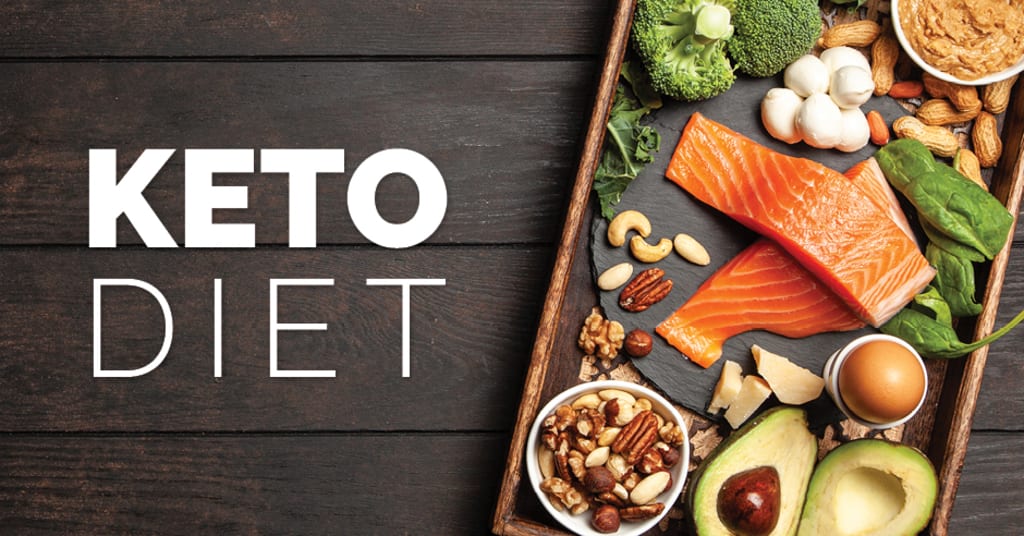
Losing weight involves a combination of healthy eating, regular physical activity, and lifestyle changes. Here are some general guidelines to help you get started on your weight loss journey:
Set realistic goals: Determine how much weight you want to lose and set achievable goals. Remember that losing weight gradually and steadily is more sustainable than rapid weight loss.
Eat a balanced diet: Focus on consuming a variety of nutrient-dense foods while reducing your overall calorie intake. Include plenty of fruits, vegetables, whole grains, lean proteins, and healthy fats in your meals. Avoid or limit processed foods, sugary drinks, and high-fat snacks.
Portion control: Be mindful of your portion sizes. Use smaller plates and bowls to help control your portions, and listen to your body's hunger and fullness cues.
Stay hydrated: Drink plenty of water throughout the day. Water can help you feel full, and it's a healthier alternative to sugary beverages.
Be physically active: Incorporate regular exercise into your routine. Aim for at least 150 minutes of moderate-intensity aerobic activity or 75 minutes of vigorous activity per week, along with strength training exercises twice a week. Find activities you enjoy to make it easier to stick to your exercise routine.
Monitor your progress: Keep track of your food intake and physical activity to stay accountable. There are several mobile apps and websites available that can help you monitor your calorie intake and track your workouts.
Get enough sleep: Aim for 7-9 hours of quality sleep per night. Inadequate sleep can disrupt your metabolism and increase cravings for unhealthy foods.
Manage stress: Find healthy ways to cope with stress, as it can lead to emotional eating. Engage in relaxation techniques such as meditation, deep breathing exercises, or engaging in hobbies you enjoy.
Seek support: Consider joining a weight loss support group or involving a friend or family member in your journey. Having a support system can provide motivation and encouragement.
Remember, it's important to consult with a healthcare professional or registered dietitian before starting any weight loss program, especially if you have any underlying health conditions or concerns. They can provide personalized advice based on your specific needs and help you create a safe and effective plan.
Certainly! Here are 20 different ways to help you lose weight. Feel free to let me know if you'd like to explore more options:
Eat more fruits and vegetables: They are low in calories and high in nutrients, helping you feel fuller for longer.
Drink plenty of water: Staying hydrated can help reduce overeating and cravings.
Practice portion control: Use smaller plates and bowls to manage your serving sizes.
Limit processed foods: They are often high in calories, unhealthy fats, and added sugars.
Incorporate lean proteins: Chicken, fish, tofu, beans, and legumes can help you feel satisfied and maintain muscle mass.
Choose whole grains: Opt for whole wheat bread, brown rice, and whole grain pasta over refined grains.
Reduce sugary beverages: Cut back on soda, juice, and sweetened coffee or tea.
Limit alcohol consumption: Alcoholic beverages are high in calories and can hinder weight loss progress.
Cook meals at home: This way, you have control over the ingredients and portion sizes.
Be mindful of snacking: Choose healthy snacks like nuts, seeds, or fruits instead of processed snacks.
Include healthy fats: Avocados, nuts, and olive oil can provide satiety and essential nutrients.
Stay physically active: Engage in activities you enjoy, such as walking, jogging, swimming, or cycling.
Add strength training: Building muscle can help increase your metabolism and burn more calories.
Get enough sleep: Aim for 7-9 hours of quality sleep each night to support overall health and weight management.
Practice mindful eating: Slow down, savor each bite, and pay attention to your body's hunger and fullness cues.
Keep a food journal: Track your food intake to become more aware of your eating habits and identify areas for improvement.
Manage stress: Find healthy ways to cope with stress, such as meditation, yoga, or engaging in hobbies.
Incorporate more fiber: Foods like whole grains, fruits, vegetables, and legumes can help you feel full and satisfied.
Minimize late-night eating: Avoid consuming large meals or snacks close to bedtime.
Stay consistent: Consistency is key when it comes to healthy eating and exercise habits.
Remember, it's important to consult with a healthcare professional or registered dietitian to create a personalized weight loss plan based on your specific needs and health conditions.
https://www.digistore24.com/redir/283755/GauravSehgal/
About the Creator
Enjoyed the story? Support the Creator.
Subscribe for free to receive all their stories in your feed.
Comments
There are no comments for this story
Be the first to respond and start the conversation.