
The Bakery Corner That Always Felt Crowded
When Sophie opened her bakery, she cared most about the smell.
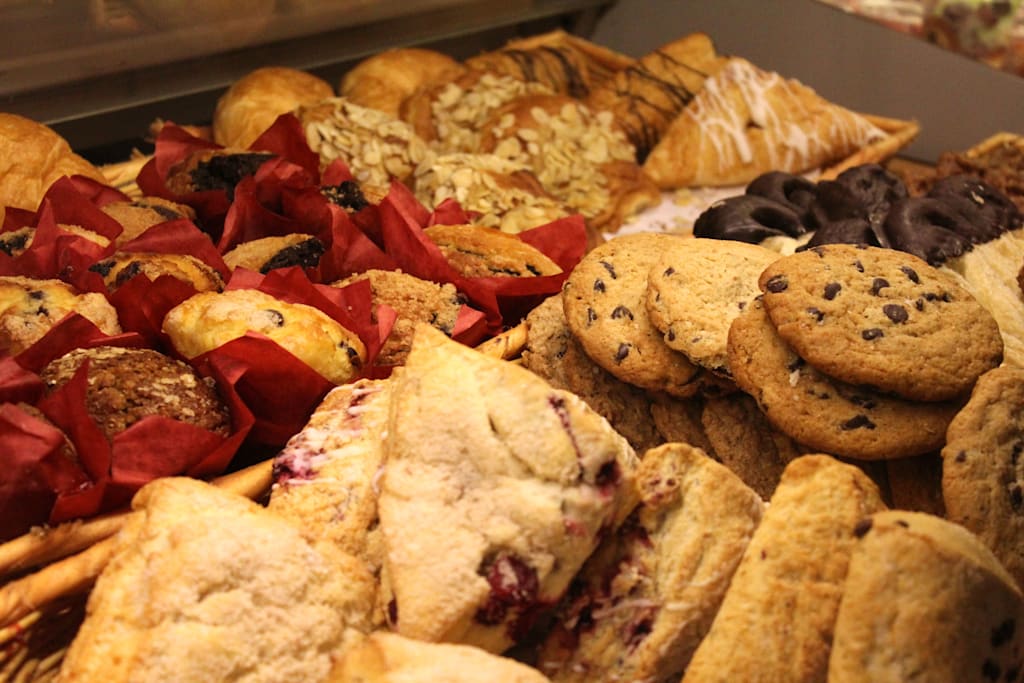
When Sophie opened her bakery, she cared most about the smell.
Butter in the morning. Cinnamon before lunch. Warm bread cooling near the counter. She believed that if the bakery smelled right, people would understand the place before reading the menu.
For the first few months, she was right.
Customers came in for croissants and left with extra cookies. Office workers stopped by before meetings. Parents bought small pastries after school pickup. On rainy days, the front window fogged slightly, and the bakery looked exactly like the kind of place Sophie had once dreamed of owning.
But there was one corner that never worked.
It was near the front window, where Sophie had placed two small tables. In photos, it looked charming. A little sunlight, a vase with dried flowers, two chairs facing the street.
In real life, everyone avoided it.
The chairs were too close to the line. People waiting to order stood beside the tables without meaning to. Customers sitting there felt watched. Anyone carrying a tray had to turn carefully around the display shelf. Once, a child bumped into the flower vase and looked so frightened that Sophie gave him a free cookie before he could cry.
Sophie blamed the tables at first.
Then the chairs.
Then the display shelf.
One evening after closing, her brother came by to help fix a loose cabinet door. He watched her move one chair six inches to the left, then back again.
“You’re decorating a traffic problem,” he said.
She hated that he was right.
The bakery did not need prettier chairs. It needed a layout that understood how people moved from the door to the counter, from the counter to the pickup area, and from the pickup area back outside with hot coffee in one hand.
Sophie had planned the bakery mostly by instinct. She knew where the ovens should go and how the display case should look, but she had not really planned the customer path. When the bakery was empty, everything seemed fine. When it was busy, the room became a puzzle.
That night, she searched for a simple way to test the layout and tried making a restaurant floor plan. She added the front door, counter, display case, window, tables, and the narrow path customers used without thinking.
The view from above made the problem obvious.
The two window tables were sitting exactly where the line naturally wanted to form. The display shelf created a pinch point near the counter. The pickup area had no real space, so people waited wherever they could.
The solution was smaller than she expected.
She removed one window table and replaced the other with a narrow counter facing the street. It still gave people a place to sit, but no longer trapped them beside the line. The display shelf moved to the wall near the entrance. The pickup area became clearer with a small sign and an open space that Sophie promised herself not to fill with baskets.
The bakery lost two seats.
But somehow, it felt like it gained room.
After the layout changed, Sophie began noticing the walls. The bakery had always smelled warm, but visually it felt a little cold in the afternoon. The front area needed softer lighting, and the counter wall needed something more welcoming than a blank painted surface. Before buying anything, she tested a few ideas with ai interior design: warm shelves, a deeper wall color, small pendant lights, and a more natural display near the window.
She did not copy the results exactly.
She used them to understand what not to overdo.
A few weeks later, the bakery felt easier. Customers still lined up on Saturday mornings, but the line had a place to go. People sat at the window counter without feeling trapped. The flowers stayed safe. The child who once knocked over the vase came back and pointed proudly at the cookies as if nothing had happened.
One afternoon, a regular customer said, “It feels calmer in here.”
Sophie smiled because calm was not usually a word people used for a busy bakery.
But it was exactly what she had wanted.
A small business is full of visible things: signs, menus, lighting, tables, colors. But sometimes the most important part is invisible. It is the space between a waiting customer and a seated one. The turn someone makes while carrying coffee. The small comfort of knowing where to stand.
The bakery still smells like butter every morning.
Now the room finally knows how to hold that warmth.
About the Creator
Enjoyed the story? Support the Creator.
Subscribe for free to receive all their stories in your feed.
Comments
There are no comments for this story
Be the first to respond and start the conversation.