single
Whether you're solitary by choice or simply unlucky in love, being single is complicated.
Capricorn Man and Libra Woman Compatibility Score. AI-Generated.
When a Capricorn man and a Libra woman come together, it’s a relationship built on the potential for balance, refinement, and shared ambition—but also one that requires patience, understanding, and compromise. Their contrasting personalities create both friction and fascination, making this a connection that can either fizzle quickly or grow into a deeply enriching bond.
By Inspire and Funabout a year ago in Humans
The Truth Behind Mail Order Brides: Expectations vs. Risks
The mail order bride meaning has changed many times over the course of our history. Even the male order bride definition you knew when you were growing up has probably changed since then. One thing has remained the same: the polarizing views on the concept of mail order brides and mail order marriages among people who know something about this subject and those who don’t. The latter even associate the mail order bride industry with negative things like human trafficking and domestic violence.
By Peter Jamesabout a year ago in Humans
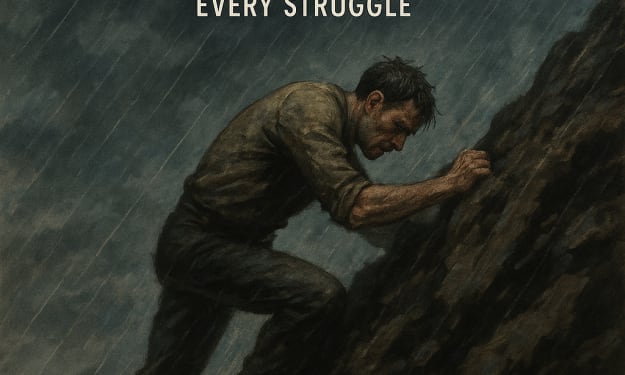
The challenge called life
l Findi fe is a journey filled with countless experiences—some joyous and exhilarating, others difficult and soul-testing. It is, in its essence, a challenge. Not in the negative sense of the word, but in the way that all great endeavors are challenges: demanding, unpredictable, and profoundly transformative.
By Noor Hussainabout a year ago in Humans
Chasing Sunsets and Storms
The Himalayas had always called to me, their jagged peaks a siren song for my restless soul. At 34, I was burned out—too many years in a Mumbai cubicle, staring at spreadsheets, dreaming of freedom. So I quit my job, sold my car, and bought a Royal Enfield Himalayan, a rugged bike built for the mountains. My plan: a solo ride from Leh to Manali, a 475-kilometer stretch known as one of the world’s most dangerous roads. It was June 2025, and I was chasing sunsets, storms, and something I couldn’t name. What I found was danger, beauty, and a version of myself I’d forgotten existed. I started in Leh, the capital of Ladakh, at 11,500 feet above sea level. The air was thin, my lungs protesting as I packed my panniers with essentials: a tent, stove, clothes, and a journal. The bike’s engine roared to life, a deep growl that echoed my excitement. The Leh-Manali Highway promised high-altitude passes, unpredictable weather, and roads that could vanish into landslides. I’d read the stats—hundreds of accidents yearly, many fatal—but the risk only fueled my adrenaline. I wanted to feel alive. The first day was a dream. I rode south from Leh, the landscape unfolding like a painting: barren mountains in shades of brown and gray, monasteries perched on cliffs, prayer flags fluttering in the wind. The sky was a piercing blue, the sun warm on my leather jacket. I crossed the Indus River, its turquoise waters glinting, and hit my first pass, Taglang La, at 17,480 feet. The altitude hit hard—my head throbbed, my breaths came shallow—but the view was worth it. Snow-capped peaks stretched to the horizon, and I felt untouchable. I snapped a photo, my bike dwarfed by the vastness, and scribbled in my journal: Day 1: I’m flying. That night, I camped near Rumtse, pitching my tent on a flat patch of rocky ground. The temperature plummeted to near freezing, and I shivered in my sleeping bag, the silence of the mountains both eerie and comforting. I cooked instant noodles on my stove, the flame flickering in the wind. A lone yak grazed nearby, its silhouette lit by a crescent moon. I’d never felt so small, so alive. Sleep came fitfully, the altitude keeping me on edge, but I woke to a sunrise that painted the peaks gold. I packed up, eager for the road ahead. Day two brought the first taste of danger. The road to Pang was a mix of asphalt and gravel, winding through the More Plains—a high-altitude desert at 15,000 feet. The wind howled, kicking up dust that stung my eyes through my visor. I leaned into the bike, fighting to keep it steady. Then, a storm rolled in. Dark clouds swallowed the sun, and rain lashed down, turning the gravel to sludge. My tires skidded, and I nearly went down, my heart slamming in my chest. I pulled over, rain soaking through my gear, and waited it out. Lightning cracked, illuminating the desolate plateau. I was alone, no other riders in sight, and for the first time, I felt fear. The Himalayas didn’t care about my dreams—they could swallow me whole. The storm passed after an hour, leaving a double rainbow that felt like a peace offering. I rode on, adrenaline pumping, and reached Pang by afternoon. It was a cluster of tents and shacks, a pitstop for travelers. I downed a cup of butter tea at a dhaba, the salty warmth reviving me. An old truck driver, his face weathered like the mountains, warned me about the road ahead. “Gata Loops are tricky,” he said, pointing to a series of 21 hairpin bends descending 2,000 feet. “And watch for landslides at Sarchu.” I nodded, thanking him, but his words lingered like a storm cloud. The Gata Loops tested my nerve. The road was narrow, barely wide enough for my bike, with a sheer drop on one side. Loose rocks littered the path, and I had to lean hard into each turn, my body tense, my eyes locked on the next bend. Halfway down, a truck appeared, barreling toward me. There was no room to pass. I swerved to the edge, my rear tire inches from the abyss, and stopped, heart pounding. The driver honked, shouting in Hindi, but eventually backed up, giving me space. I exhaled, hands shaking, and kept going. By the time I reached the bottom, I was drenched in sweat despite the cold. I’d survived, but the mountains weren’t done with me. Sarchu, my next stop, was a barren campsite at 14,000 feet. I pitched my tent near a stream, the sound of rushing water my only company. That night, a thunderstorm raged, lightning illuminating my tent like a strobe. I barely slept, the wind threatening to rip my shelter apart. Morning brought a grim discovery: a landslide had blocked the road ahead. A group of riders—two brothers from Delhi, Vikram and Arjun—joined me, their bikes loaded with gear. “We’ll wait,” Vikram said, lighting a cigarette. “BRO will clear it.” The Border Roads Organisation was known for maintaining these routes, but the wait stretched into hours. We shared stories, chai, and a pack of biscuits, bonding over our shared insanity. By noon, the road was open, but the delay meant I’d be riding into dusk—a dangerous prospect. The stretch from Sarchu to Baralacha La Pass was a gauntlet. The road turned to dirt, pocked with craters from melting snow. I hit a patch of black ice, my bike fishtailing. Instinct kicked in—I eased off the throttle, leaned back, and let the bike find grip. It worked, but my pulse raced for miles. At 16,040 feet, Baralacha La was a frozen hell. Snow flurries swirled, visibility dropped to nothing, and the cold bit through my gloves. My fingers went numb, my breath fogging my visor. I stopped to warm my hands on the engine, the heat a small mercy. The pass was a gateway to Lahaul Valley, but it felt like a gatekeeper, daring me to turn back. I didn’t. Descending into Lahaul, the landscape changed—barren rock gave way to green meadows, waterfalls cascading down cliffs. I passed Keylong, a small town, and considered stopping, but the sun was dipping, painting the peaks orange. I wanted to chase that sunset. The road to Rohtang Pass was my final hurdle, notorious for its traffic and mud. I hit it at twilight, the sky a riot of pink and gold. The sunset was breathtaking, but the road was a nightmare. Monsoon rains had turned it to slush, and I fishtailed through every turn. A bus full of tourists got stuck ahead, blocking the way. I waited, engine idling, as the last light faded. By the time I crossed Rohtang, it was dark, and I was exhausted. I reached Manali at 9 PM, 475 kilometers and four days after I’d started. My body ached, my bike was caked in mud, but I’d made it. I checked into a guesthouse, the owner—a gruff man named Sanjay—offering me a hot meal. Over dal and rice, I reflected on the journey. I’d come seeking adventure, but I found something deeper. The Himalayas stripped me bare—no cubicle, no routine, just me and the road. Every near-miss, every storm, forced me to confront my limits. I’d been running on autopilot in Mumbai, numbed by monotony. Here, I was raw, awake, alive. The ride taught me resilience. I’d faced death—those hairpin bends, that black ice—and kept going. I’d found peace in the chaos: the yak at Rumtse, the rainbow after the storm, the sunset at Rohtang. I’d connected with strangers—Vikram, Arjun, the truck driver—reminded that humanity persists even in the wildest places. Studies I read later backed this up: adrenaline and nature exposure boost mental clarity, reduce stress hormones like cortisol, and foster a sense of purpose. I’d felt it all. Back in Manali, I spent a day recovering, my body bruised but my spirit soaring. I wrote in my journal: I chased sunsets and storms, and they chased me back. I’m not the man I was in Leh. I’m better. I sold the bike to Sanjay’s nephew, a young rider eager for his own adventure. I didn’t need it anymore—the mountains had given me what I came for. I took a bus back to Delhi, watching the Himalayas fade through the window. I wasn’t running anymore. I’d found what I’d been chasing: myself.
By Muhammad Ahmar about a year ago in Humans
19 Psychological Flirting Techniques That Actually Work (Backed by Science!)
19 Proven Psychological Flirting Techniques That Work Like Magic Let’s be real — flirting can feel like walking a tightrope over a pool of awkward silences. You want to come off confident, not creepy. Interested, but not obsessed. Casual, yet unforgettable. It’s a tricky game. But guess what? Science has your back.
By Milan Milicabout a year ago in Humans
House Rules for Teenagers Every Parent Must Know
Raising teenagers in today's world comes with unique challenges and responsibilities. As parents, we must establish clear, consistent, and respectful house rules to guide our teenagers while also instilling independence, responsibility, and trust.
By Teenage Parentingabout a year ago in Humans
Capricorn Man and Virgo Woman Compatibility Score. AI-Generated.
When a Capricorn man and a Virgo woman come together, it’s as though two pieces of a complex puzzle find a perfect fit. These two Earth signs understand the importance of stability, structure, and reliability, which allows their relationship to be built on a solid and enduring foundation. Their compatibility runs deep on emotional, intellectual, and practical levels, making them one of the most dependable pairings in the zodiac.
By Inspire and Funabout a year ago in Humans
The Loneliness Epidemic – Why We’re All Feeling So Alone in a Connected World
The Most Connected Yet the Most Alone In an era where a message can travel across the world in a second and we can “like” someone’s lunch without ever knowing their name, it’s ironic—painfully so—that loneliness is becoming the defining emotional state of the 21st century. Across age groups, cultures, and countries, people are reporting a growing sense of disconnection. Mental health professionals are calling it a “loneliness epidemic.” But how did we get here? And more importantly, how do we get out?
By Mohammad Ashiqueabout a year ago in Humans
Do Men Lose Respect When Women Fall Too Fast? The Honest Truth You Need to Know
Do Guys Lose Respect for Women Who Fall Too Quickly? Let’s Get Real. Ever been there? You meet a guy, things spark instantly, you feel the chemistry, and before you know it, you're daydreaming about vacations together, meeting his mom, or maybe even picking baby names (don’t worry, we’ve all done it in our heads). Then suddenly—poof—he pulls away. Cold texts, late replies, or even worse… radio silence.
By Milan Milicabout a year ago in Humans
THE ORIGIN OF ROMANCE: A JOURNEY THROUGH TIME
The Timeless Mystery of Romance Love, in all its intoxicating splendor, has captivated hearts and minds for millennia. It whispers through history’s corridors, echoing in the songs of poets, the sighs of dreamers, and the longings of the human soul. But where does it come from, this thing we call romantic love? Its origin lies in mystery, veiled by myth, and often intertwined with religion. The path of romance is as old as time itself, yet it carries within it the enigmatic traces of a more profound truth.
By Joshua Henderson about a year ago in Humans
The Leaves That Fall So Slowly
In a quiet village, where time moved gently and trees whispered like old friends, lived an elderly woman named Mira. Her cottage sat beneath a grand oak tree, its leaves known for falling slower than any others in the village. People often said the tree was enchanted, but Mira believed something else. To her, the leaves carried memories—drifting softly through the air, refusing to be forgotten.
By Leesh lalaabout a year ago in Humans