single
Whether you're solitary by choice or simply unlucky in love, being single is complicated.
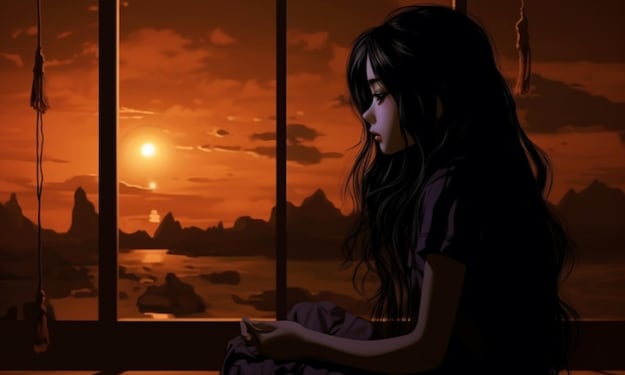
Silence Behind Her Smile: A Girl’s Story Through Society’s Eyes
In a calm neighborhood of a little town, lived a young lady named Maya. She was 25, well-educated, respectful, and full of dreams. But like numerous young ladies around her, Maya carried a overwhelming burden—not of her choices, but of society's names.
By Rubaiya Haqueabout a year ago in Humans
The Love Renaissance: What Gen Z's Relationships Reveal About Modern Connection
Are Gen Zers sabotaging the true essence of romance or redefining it? Or they simply might be building something more intentional, resilient, and emotionally intelligent than any generation before. Once upon a time, romance came with rules. Handwritten letters, carefully curated phone calls, and silent nods of the elderly were the foundational stance of old-school love. But now, emojis, dating apps, and Instagram reels document love stories.
By Hridya Sharmaabout a year ago in Humans
The Loneliness Epidemic in a Hyperconnected World
In a world where smartphones are ever-present and social media platforms promise endless connection, one would expect loneliness to be a fading problem. Ironically, the opposite appears true. Despite the unprecedented ease with which we can connect with others, loneliness has become a pervasive and growing epidemic across the globe. It quietly affects people of all ages, backgrounds, and socioeconomic statuses, posing a significant risk to mental and physical health.
By Minhaj Ul Hasanabout a year ago in Humans
The Magnetic Power of Her: Why Women Own the Art of Attraction
From the sway of her hips to the quiet fire in her eyes, there is something deeply magnetic about a woman. Throughout history, art, poetry, music, and even the very foundations of culture have revolved around the allure of the feminine. But what exactly makes women so captivating, so endlessly desirable? Why do so many songs sing her praises, why do men fantasize, dream, chase, and even lose themselves for her?
By Lovely Diyaabout a year ago in Humans
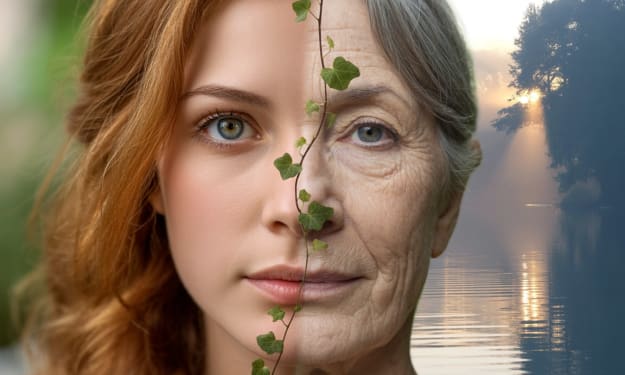
Top Strategies to Slow Down Aging Naturally
Top Strategies to Slow Down Aging Naturally Discover science-backed, holistic ways to stay youthful and energized. Aging is a natural process, but the way we age is largely influenced by our daily choices. While we can't stop time, we can slow down its visible and internal effects through smart, sustainable lifestyle habits. Instead of relying on synthetic shortcuts or invasive procedures, many people are turning to natural methods to support graceful aging. In this article, we’ll explore top strategies to reduce aging naturally—from diet and exercise to mental wellness and skincare. 1. Eat for Longevity and Vitality Your diet plays a major role in how you age. Nutrient-dense foods rich in antioxidants, healthy fats, vitamins, and minerals help fight free radicals, which contribute to cellular aging and inflammation. Include more antioxidants: Berries, leafy greens, green tea, and dark chocolate are high in antioxidants that protect your cells from oxidative stress. Choose healthy fats: Omega-3 fatty acids found in fatty fish (like salmon and sardines), walnuts, flaxseeds, and chia seeds promote skin elasticity and reduce inflammation. Limit processed sugar: Excess sugar speeds up aging by triggering glycation, a process that damages collagen and elastin in the skin. 2. Stay Hydrated Hydration is crucial for maintaining plump, youthful skin and for overall bodily function. Dehydrated skin appears dry, wrinkled, and tired. Aim for at least 8 glasses of water daily. Add hydrating foods to your meals like cucumbers, watermelon, oranges, and celery. 3. Prioritize Regular Exercise Movement is a natural anti-aging remedy. Regular physical activity improves circulation, boosts collagen production, enhances mood, and keeps muscles and joints strong. Cardio exercises like walking, cycling, or swimming support heart health and endurance. Strength training preserves muscle mass, which naturally declines with age. Flexibility and balance workouts like yoga or tai chi improve posture and reduce injury risk. Exercise also boosts the production of endorphins, the “feel-good” hormones, helping you maintain a positive outlook—an essential part of aging well. 4. Practice Consistent Skincare Using Natural Ingredients Good skincare isn’t about expensive creams—it’s about consistency and nourishing your skin with what it truly needs. Cleanse gently to avoid stripping the skin of natural oils. Moisturize daily to maintain hydration and skin barrier function. Use natural oils like jojoba, rosehip, and argan oil for added nutrients. Apply sunscreen daily—sun damage is the #1 cause of premature aging. Look for natural anti-aging ingredients like vitamin C, niacinamide, retinol (plant-based alternatives like bakuchiol), and aloe vera. 5. Sleep: The Body’s Natural Rejuvenation Cycle Sleep is when the body repairs itself, and lack of quality sleep accelerates the aging process both physically and mentally. Aim for 7–9 hours of quality sleep each night. Create a relaxing bedtime routine to wind down—dim lights, reduce screen time, and try calming teas or meditation. Keep a cool, dark, and quiet sleep environment. 6. Reduce Stress and Practice Mindfulness Chronic stress floods your body with cortisol, a hormone that accelerates aging, weakens immunity, and increases inflammation. Practice deep breathing, mindfulness meditation, or journaling to calm the mind. Engage in enjoyable hobbies, stay connected to loved ones, and try to spend time in nature regularly. Incorporate gratitude and positive thinking, which have been shown to increase life satisfaction and improve mental health. 7. Support Hormonal Balance As we age, hormonal changes affect everything from energy and mood to skin elasticity and metabolism. Eat foods rich in phytoestrogens (like soy, flaxseed, and legumes) to naturally support hormone balance. Reduce endocrine disruptors by avoiding plastics and opting for natural personal care products. Consider talking to a functional medicine practitioner if you’re experiencing severe symptoms of hormonal imbalance. 8. Limit Toxins and Detox Gently Exposure to environmental toxins can speed up cellular aging and burden your organs. Choose organic produce when possible to avoid pesticides. Use natural cleaning products and non-toxic personal care. Support your body’s detox systems by eating cruciferous vegetables (broccoli, kale, Brussels sprouts), drinking lemon water, and sweating regularly through exercise or saunas. 9. Maintain Social Connections Studies show that people with strong social networks live longer and enjoy better health as they age. Cultivate friendships and join community groups. Schedule regular time with loved ones. Volunteer or engage in activities that give you purpose. 10. Keep Learning and Stay Curious Mental stimulation keeps your brain young. Whether it's learning a new skill, reading, or trying a new hobby, staying mentally active is key to long-term brain health. Learn a new language or musical instrument. Play puzzles, memory games, or strategy-based games. Read widely and explore new topics to keep your mind sharp. --- Final Thoughts Aging is inevitable, but how you age is largely up to you. By embracing natural, holistic practices and being mindful of your daily habits, you can add vitality, clarity, and joy to every stage of life. The best anti-aging strategy isn’t about chasing youth—it's about investing in a healthy, balanced lifestyle that allows you to thrive. Remember: It’s never too late to start. Small changes today can lead to big differences tomorrow.
By Nasir Khanabout a year ago in Humans
How to Break Up With Someone and Still Sleep at Night
It's never easy to break up with someone. You may feel overwhelmed, and the idea of hurting someone you once loved may keep you awake. However, ending a relationship doesn't have to be a terrifying experience. This complete guide will show you how to break up with someone in a way that shows respect, avoids hurt feelings, and keeps your peace of mind.
By Relationship Guideabout a year ago in Humans
When Love Fades: A Story of Letting Go,
Love—so often celebrated as the most powerful and transformative force in our lives—is also one of the most fragile. It starts with fire, burns bright, and in many cases, slowly cools into embers. There are times when the fire is rekindled, and there are times when it dies quietly and unnoticed, leaving us to wonder how something that was once so vibrant became so distant. This is the story of how love faded between two people who once thought they were inseparable. It is a story of loss, of realization, of pain—but also of healing, growth, and acceptance. For in letting go, we sometimes find ourselves. Chapter 1: The Beginning – A Love That Felt Endless We met in a time when everything felt infinite. The nights were warm, filled with laughter, long conversations, and eyes that never stopped searching one another. We were inseparable—not because we had to be, but because we wanted to be. Every day was a discovery. Every flaw was adorable. Every silence was comforting. We built dreams together. From small ones like where we’d travel next, to bigger ones like a shared future. “Forever” was a word we said often and believed deeply. But no one warns you that forever is fragile, and sometimes, love isn’t enough to hold it all together. Chapter 2: The Shift – When the Small Things Became Big Love rarely ends with a bang. It fades, slowly. It drifts away like mist in the morning sun. We didn’t notice at first. Life got busy. The number of responsibilities grew. The calls became shorter. The dates became rare. And the silences? They turned uncomfortable. What used to be sweet quirks began to annoy. Conversations turned into arguments, and arguments turned into cold wars. We still said “I love you,” but now it sounded like a habit, not a feeling. We both changed—but not together. And that was the beginning of the end. Chapter 3: Denial – Holding On to Shadows Even as we felt the distance grow, we refused to let go. We kept trying to fix what we couldn’t understand. We thought if we just tried harder, gave more, compromised more—we could find our way back. But love, once it begins to fade, doesn't always respond to force. Sometimes, the harder you try, the more obvious it becomes that you're chasing a version of the past that no longer exists. And so, we clung to the memory of what we used to be. We stayed longer than we should have. We told ourselves it was just a phase. But deep down, we both knew—we were holding on to a ghost. Chapter 4: The Realization – The Moment You Know There is always a moment. A moment when one of you looks at the other and realizes: "I don’t know this person anymore." Not in anger, not in hate—but in sadness. It’s like looking into the eyes of someone who once held your whole world and realizing they’re a stranger now. That moment came quietly. We were sitting in silence, not because we were comfortable, but because there was nothing left to say. The connection, once so electric, had gone flat. Despite the fact that we were both in it, the space felt empty. And then came the words—soft, trembling, but honest: “I think we both know this isn’t working anymore.” Chapter 5: The Separation – Letting Go with Grace Breakups don’t always have to be ugly. Ours wasn’t. There were tears, yes. There were long hugs and whispered apologies. But there was no blame, no shouting. Just two people choosing to stop hurting each other. We divided our things. We deleted old pictures—some we kept, because memories don’t always deserve to be erased. We walked away, not as enemies, but as people who once loved deeply and chose to respect that love, even in goodbye. Letting go wasn’t a one-time act. It was a process. It was waking up and not reaching for the phone. It was seeing their name and not calling. It was learning to breathe without their presence. Chapter 6: The Pain – Healing Isn’t Linear Healing doesn’t follow a straight line. Some days, I was fine. I laughed, I worked, I felt free. Other days, the grief hit me like a wave. A song, a scent, a memory—anything could bring it all back. People told me time would heal everything. But time doesn’t heal—it simply gives space. What really heals is acceptance. Accepting that the love was real. That the end was necessary. And that moving forward isn’t betrayal—it’s survival. I let myself feel everything: the guilt, the regret, the sadness. Because numbness isn’t healing. Only when I stopped avoiding the pain did I begin to let it go. Chapter 7: The Growth: Regaining Your Wholeness In the absence of them, I found myself. I rediscovered passions I’d forgotten. I traveled alone, learned new things, met new people. I realized that my identity wasn’t defined by a relationship, and my happiness didn’t depend on another person’s presence. I forgave myself. I was kind to them. Not because it was easy, but because it was necessary. Carrying bitterness only poisons the future. I learned that love isn’t always meant to last forever. Some people come into your life to teach you lessons, to help you grow, to show you what you need—and then they leave. And that’s okay. Conclusion – When Love Fades, You Don’t Have To Love fading doesn’t mean failure. Sometimes, it’s the bravest thing you can do—to let go of something that once made you happy because it no longer does. It is not weakness to let go. It’s an act of strength. It's choosing peace over pretending. It’s saying: “I deserve more than almost.” And when you walk away from a love that no longer serves you, you open the door to something new. Maybe not right away. But someday. Because when love fades, it doesn’t mean your story ends. It just means a new chapter begins
By Keyas Khanabout a year ago in Humans
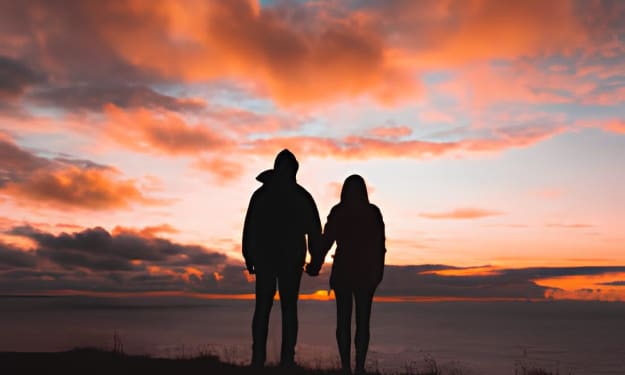
Sagittarius Man and Virgo Woman Compatibility Score. AI-Generated.
When a spontaneous Sagittarius man crosses paths with a meticulous Virgo woman, sparks may not immediately fly—but there's potential for deep, mutual growth if both are willing to navigate their differences with open minds and open hearts. This fire-earth duo has contrasting energies, but opposites often attract for a reason. Their relationship can evolve into something grounded yet adventurous, practical yet inspiring.
By Inspire and Funabout a year ago in Humans
Silent Mental Stress
When the loudest cries are the ones never heard. Everyone said Zoya had it all together. She was twenty-nine, successful, and always smiling. She ran meetings with precision, hosted family dinners without breaking a sweat, and never missed a birthday or deadline. Her Instagram showed a life of sunsets, coffees, and neat little quotes about “balance” and “growth.” People often said, “Zoya, you’re so calm. So strong.”
By Esther Sunabout a year ago in Humans
Fighting for Our Lives
When you go to that far-off place That bends reality and warps time, I'll be right here. When the words are there, But just won't come, I'll help you find them. When you drift, I'll be your tether, Secure, grounded, and ready To bring you home. We are stronger than this affliction, together. This story is part explanation, part dedication, and a very large part warning. As it happens, my last story published was written after a month of silence on Vocal, with a note that I'd be getting back into the swing of things. Shortly after that, things went haywire in a big way and I've been “off the circuit” for another month. As my friends here on the platform know, my wife, Pam, is my anchor. That hasn't changed, but circumstances have turned the tables somewhat, which is where the opening lines of this story come into play. On the afternoon of the third day of last month, a stark lack of focus and some confusion on Pam's part prompted me to take her to the emergency room, against her wishes. She had a minor stroke a few years ago and it produced similar symptoms, so I wasn't about to take any chances. I'm sure I don't have to explain the stress induced by waiting for hours in an ER unit, while your spouse is on various IV fluids and test results take forever. There were other stressors, but this isn't about that. Suffice it to say that we finally returned home at 5AM the next day, with the following diagnoses: The “bug going around” infection was ruled out. A CT scan showed no sign of a stroke. Good news on both counts. The bad news? Her blood pressure and blood sugar were both dangerously high. Hypertension tends to accompany spending the night in a unit like the one we were in, so that was at least somewhat expected. Hyperglycemia was an unpleasant surprise. It's something we're both acutely aware of, since Pam's mother had a long bout with it a few years ago. Diabetes does run in the family. There wasn't a firm diagnosis of diabetes at the time, though they did administer insulin. We came home with all of the numbers in the discharge papers, a prescription, and orders to get Pam in to see our primary care provider. That appointment would be 10 days down the road, simply because our PCP, a nurse practitioner whom we both love, was overwhelmed with appointments. After another round of lab tests, her condition was confirmed and a regimen of prescriptions was ordered. That leads to where we are today, and the promises made at the top of this piece. Here's what I'd like readers to know: Hyperglycemia messes with thought processes. It can cause selective memory loss and often makes the patient argumentative, perhaps even combative. There were several 4AM wake-ups with her getting dressed “to go outside” and an instance while cooking breakfast together when she asked when here sisters were going to be arriving to eat with us. (The sisters live in Portland/Vancouver.) Imagine what that all of this means for the person responsible for restricting the person's diet and monitoring blood sugar. Fortunately, Pam is very capable and willing where the testing is concerned. The dietary changes often take a lot more convincing. There's no loss of attachment. Pam is still very affectionate and I'm incredibly grateful for that. There was one instance where she mentioned that we weren't actually married, but a quiet conversation about the wedding in our park in the redwoods got us through that. We spend our days side by side, and she's beside me as I write this, playing games on her phone. Those have become something of a grounding mechanism, although it's no fun when she decides to play until 2AM. So, here we are, getting through it, one day at a time. We “signed up” for life and we'll both make the necessary efforts. Things are improving, but occasional memory lapses still occur. We work through them. I want to emphasize that I'm not writing this for any credit. I'm not doing anything she wouldn't do for me if the roles were reversed. I'm hoping that some who read this might find some insight about the possible effects of something as simple as sugar intake. I haven't even delved into the worst possible effects, like blindness and nerve damage. Please, don't ignore the signs. I'm also hoping this might help explain why I've been AWOL on Vocal again. With some continued luck, this will be just the start of more stories. After all, we have a major move on the very near horizon and there will be much, much more to write about! Thanks for taking the time to read, and thank you all for your inspiration!
By SophiaSosoabout a year ago in Humans